
Latest News
An overview of social situation in Afghanistan during four years of IEA rule
“If schools do not reopen and girls are not allowed to continue their education, the future of Afghanistan may be dark,” said a school student.

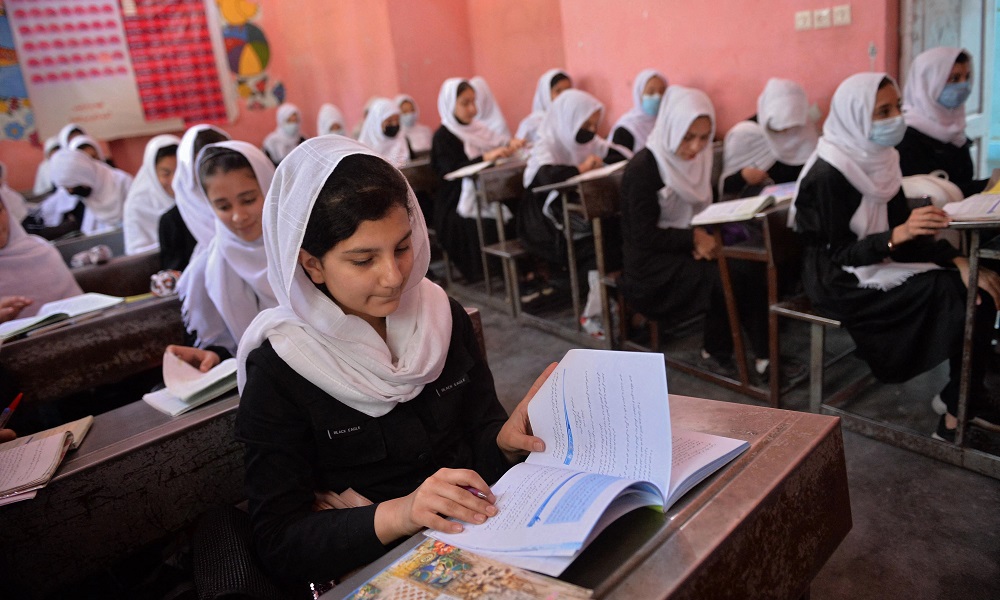
Over the past four years of the Islamic Emirate’s rule in Afghanistan, there have been ongoing challenges in the area of human rights. Girls have been barred from attending schools beyond the sixth grade for a fourth consecutive year, and the gates of universities remain closed to them.
During this time, the imposition of restrictions on women’s employment has also been one of the social challenges.
In addition, girls have been prohibited from attending health institutes—an issue that could pose serious problems for the country’s healthcare sector in the future.
The continued closure of schools and universities has had increasingly negative effects on the morale of girls, leaving them hopeless about a brighter future.
A student said on the occasion of the fourth anniversary of the IEA’s return to power: “If schools do not reopen and girls are not allowed to continue their education, the future of Afghanistan may be dark. For example, when we go to a hospital, there may be no female doctors, and in schools, there may be no female teachers. Illiteracy can have negative effects on future generations.”
Another student said: “I am a student who was forced to stop studying after the regime change. My biggest wish is to be able to finish my education. Over the past four years, nothing has been done to bring hope to girls regarding their right to education. Even though we have lost hope, our goal is still to complete our education.”
However, IEA has repeatedly stated that efforts are underway to resolve the issue of girls’ education.
Meanwhile, the forced deportation of Afghan migrants has been another major development over the past two years.
Like Pakistan, Iran has also initiated the mass and forced expulsion of Afghans. In less than two months this year, more than one million people have been sent back to Afghanistan.
So far, over four million migrants have returned to the country, and they are in urgent need of shelter and employment.
At the same time, IEA has announced the construction of more than 50 residential townships for returnees across 28 provinces.
Although IEA has repeatedly called for the gradual return of Afghan migrants from Iran and Pakistan, both Islamabad and Tehran have not responded positively to Kabul’s requests.
One of the notable aspects of this mass deportation process has been the solidarity and support shown by local communities toward returnees.
While there is hope that the challenges of returnees may eventually be resolved, many believe that the mistreatment and harsh behavior of Pakistani and Iranian security forces toward Afghan migrants will not be forgotten.

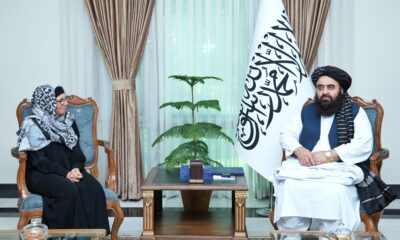



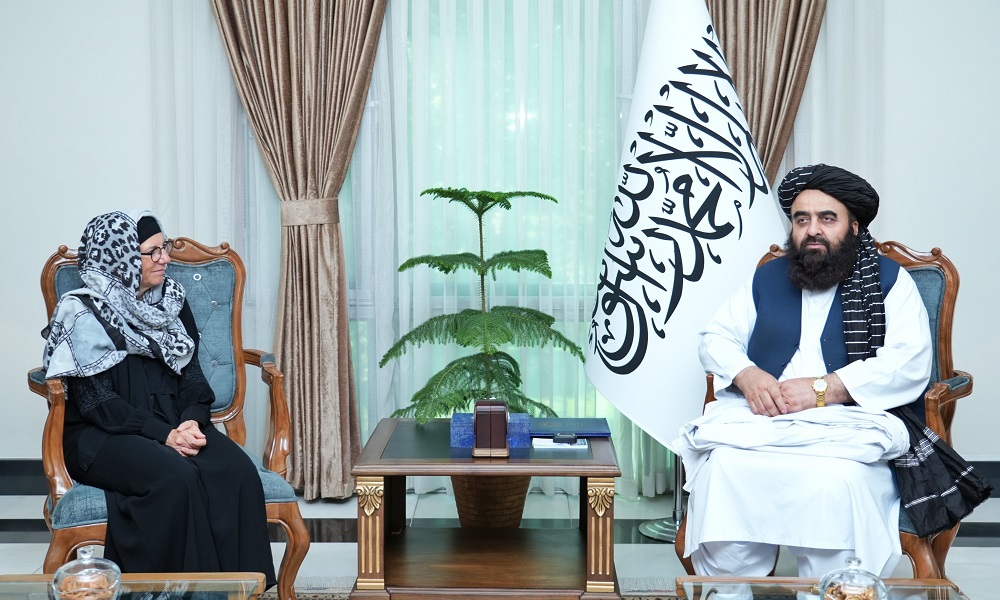
Foreign Minister Amir Khan Muttaqi met on Wednesday with Yasmine Praz Dessimoz, Director General of Operations at the International Committee of the Red Cross (ICRC), to discuss Afghanistan’s humanitarian situation.
The Ministry of Foreign Affairs said in a statement that the meeting covered the country’s humanitarian needs, the increasing number of returning migrants, healthcare services, and problems and needs remaining from the war.
The two sides emphasized the importance of continuing and expanding the ICRC’s humanitarian cooperation and expressed readiness for greater coordination in healthcare and other humanitarian areas.
The meeting also highlighted that Afghanistan has emerged from a prolonged period of war and has now entered a new phase of development and economic growth. However, some problems and needs of war victims still require attention.
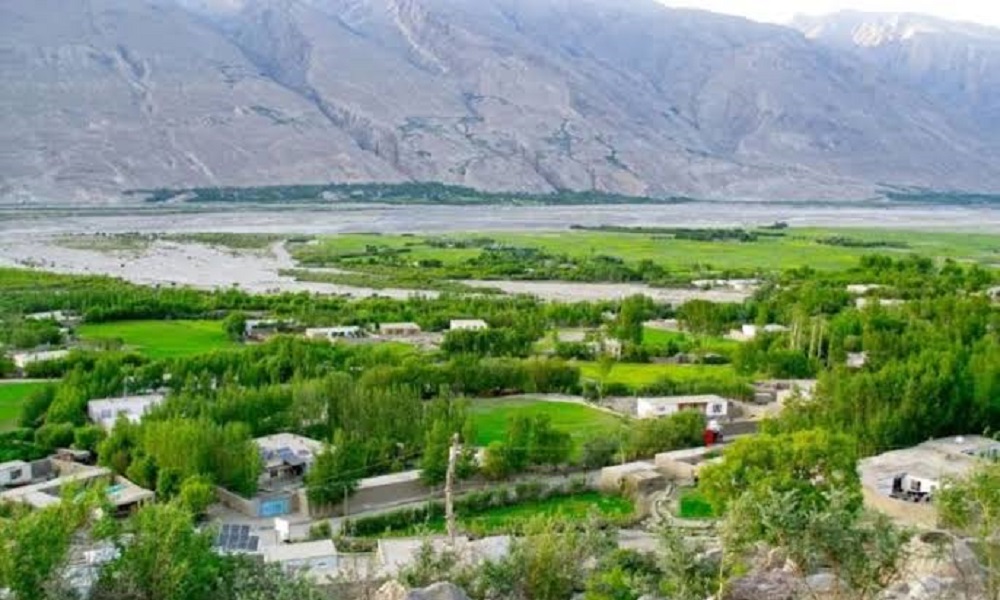
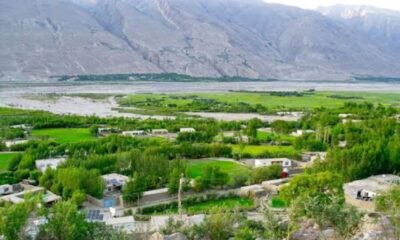
Security officials in Afghanistan’s northeastern Badakhshan province say the situation in Zebak district is currently stable, but claim that Pakistan is providing shelter and training to opponents of the Islamic Emirate in the Chitral region.
Abdul Basir Mazhari, Badakhshan’s police chief, said opponents of the Islamic Emirate have established shelters and training facilities near the Durand Line in Chitral.
He claimed the groups could attempt to use the Shah Salim Pass to disrupt security in Badakhshan and other northeastern provinces.
“There is evidence that Pakistan has established shelters and training centers for opponents of the government near the Durand Line,” Mazhari said. “Badakhshan is the only province in the north that shares a border with Pakistan, and Pakistan has gathered opponents of the government in Chitral.”
Despite the claims, residents in central Zebak said daily life remains normal and there have been no signs of fighting in the area.
Badakhshan security officials said their forces have been deployed along the Durand Line and remain on standby to respond to any potential threats.
According to local officials, Zebak district has three routes connecting it to areas across the Durand Line, with security forces stationed in the area.

Football fans across Afghanistan can watch Tottenham Hotspur take on Charlton Athletic live on Ariana Television Network (ATN) tonight, Wednesday, August 26, with coverage beginning at 23:15 Kabul time.
The two London clubs meet in the second round of the EFL Cup, with Tottenham looking to progress while Charlton will aim to produce an upset against their Premier League opponents.
Tottenham enter the match as favourites on paper, with their greater top-flight experience expected to make them the stronger side. However, cup football can produce surprises, and Charlton will be looking to take advantage of any opportunity at their disposal.
The match provides Tottenham with another chance to build momentum early in the season, while Charlton will see the tie as an opportunity to test themselves against one of England’s biggest clubs.
The EFL Cup remains an important route to silverware for clubs across the English football pyramid, with teams aiming to advance through each round toward the final at Wembley.
Afghanistan fans can watch Tottenham Hotspur vs Charlton Athletic live tonight on Ariana Television, from 23:15 Kabul time.


Tahawol: Calls for US engagement with the Islamic Emirate discussed

Muttaqi, ICRC official discuss expansion of humanitarian cooperation

Saar: Call for dialogue to resolve issues with Afghanistan discussed

Badakhshan police say Pakistan is sheltering Islamic Emirate opponents in Chitral

Tottenham face Charlton as ATN brings live EFL Cup action to Afghan fans

Pakistan’s governance system has ‘collapsed’: Mohsin Naqvi

Afghanistan exports first stone shipment to US in $100,000 trade milestone

AFC confirms clubs for 2026/27 competitions; draw set for August 18

Only two days to go before Afghanistan and Ireland begin ODI series

Four mediators struggle to secure lasting Pakistan-Afghanistan ceasefire
Tahawol: Calls for US engagement with the Islamic Emirate discussed
Saar: Call for dialogue to resolve issues with Afghanistan discussed

Tahawol: Aisha Wahab’s emphasis on US ties with IEA

Saar: Guterres’s concern regarding global conflicts discussed

Saar: Afghanistan’s uncertain future in SCO
-
 Latest News3 days ago
Four mediators struggle to secure lasting Pakistan-Afghanistan ceasefire
-

 Latest News5 days ago
Syria and Saudi Arabia condemn Kabul bombing, express solidarity with Afghanistan
-

 Latest News4 days ago
US judge strikes down Trump visa suspension for 75 countries, including Afghanistan
-
 Business3 days ago
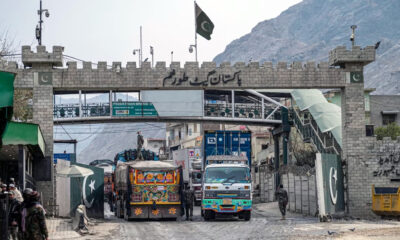
Afghanistan’s trade diversification challenges Pakistan
-

 Sport5 days ago
Afghanistan-India T20I series could see major schedule change
-
 Latest News5 days ago
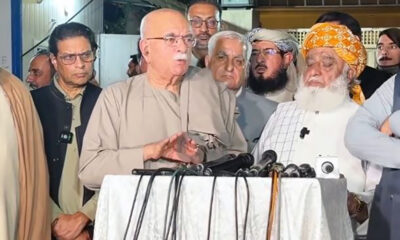
Achakzai urges Pakistan to end hostility towards Afghanistan
-
 Latest News4 days ago
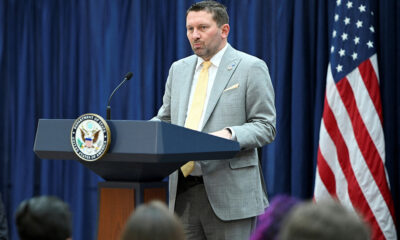
AfghanEvac warns US court ruling does not reopen door for Afghans
-
 Latest News2 days ago
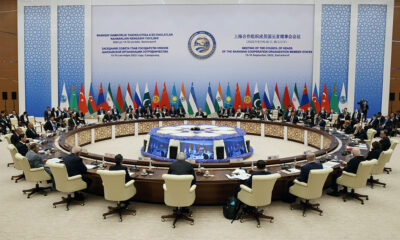
SCO summit to be held without confirmed Afghan invitation