
IEA says Afghanistan is not responsible for ‘security failure’ of Pakistan

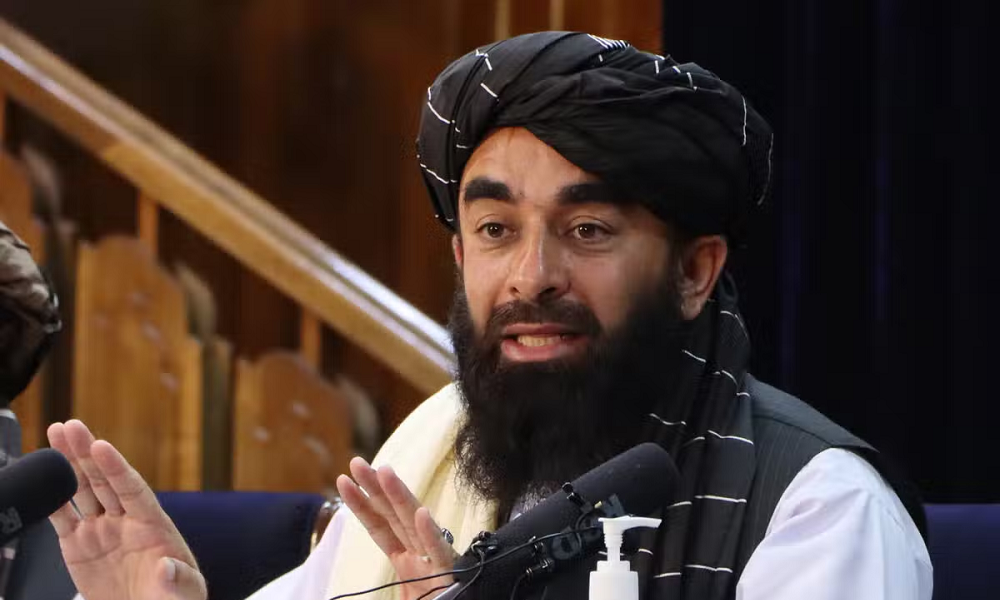
The Islamic Emirate of Afghanistan (IEA) has again rejected claims by Pakistan that Afghan nationals are involved in terror attacks across the border and stated that Afghanistan is not responsible for the “security failure of any country in the region.”
According to a statement issued late Tuesday night by the IEA’s spokesman Zabiullah Mujahid, the IEA “completely rejects these allegations and tells the Pakistani authorities that Afghanistan is a country that has come out of long wars and does not want insecurity in any other country, especially neighboring countries.
“The government of Afghanistan once again reiterates its principled position that it does not allow the territory of Afghanistan to be used against the security of any other country, but this does not mean that Afghanistan is responsible for the security failure of any country in the region.”
The IEA stated that the region has been a “victim of foreign invasion led by America and the wrong policies of some countries in the region” over the past 20 years, “the effects of which are still being felt.”
Pakistan should carefully manage its security situation and find a solution at home, the statement read.
The IEA stated that in the past year, 18 Pakistani Daesh members were killed in different operations in Afghanistan – militants who had carried out explosions and attacks in the country. Dozens more were captured, the statement read.
“Instead of pointing the finger of blame at the Pakistani side, the Afghan government has strengthened its security measures.
It is worth mentioning that if someone attacks in Pakistan or the blood of the Muslims of Afghanistan and Pakistan is shed in the name of Daesh, a solution should be found together, blaming is not the solution.”
The statement also noted that when conspiracies to attack religious scholars and seminaries in Afghanistan and in the region have been uncovered, IEA intelligence agencies have informed countries in the region of this in advance. “Unfortunately, some countries did not take timely measures.”
The IEA again emphasized it is not in favor of attacks being carried out in Pakistan, but that “the prevention and control of attacks inside the territory of Pakistan is not our responsibility; Rather, it is the duty of the security and intelligence agencies in that country, for which they spend a large part of their country’s budget.
In the past two years, since an independent and responsible government has been established in Afghanistan, the security situation in Afghanistan and the region has improved significantly. The fact that security incidents have increased only in Pakistan, Pakistan needs to find a solution in its own country.”






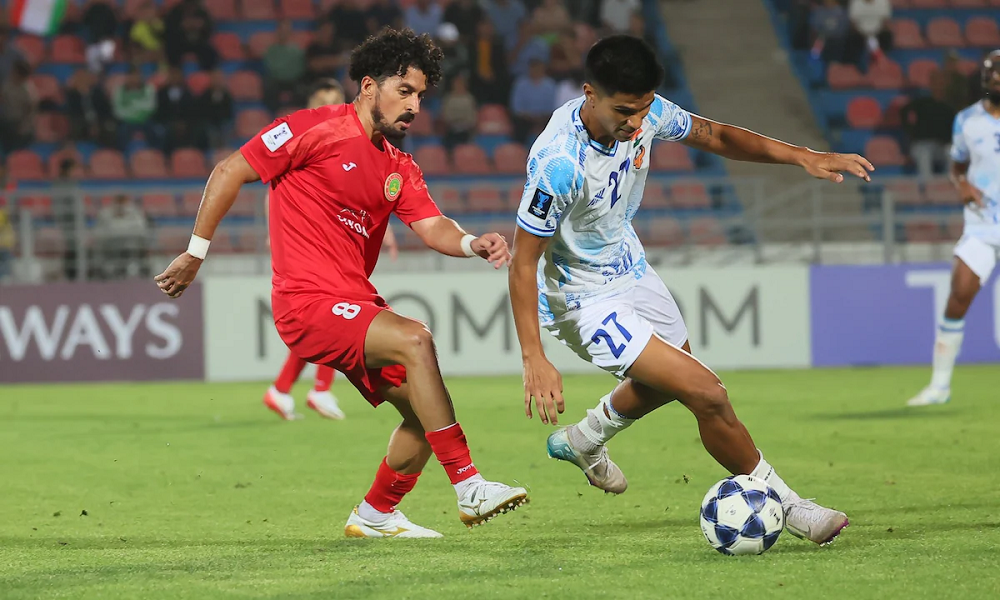
As FC Goa prepare to host FC Istiklol at the iconic Pandit Jawaharlal Nehru Stadium in India, football fans are gearing up for an exciting AFC Champions League Two Group D clash.
In their previous encounter earlier in the tournament, Istiklol secured a 2‑0 victory over FC Goa in Tajikistan, with goals from Rustam Soirov and Reza Dehghani giving the visitors all three points.
Istiklol enter this rematch with strong momentum from their earlier win, while FC Goa are determined to claim their first points in the group. Goa will aim to turn the tables at home, leveraging the support of their fans at Pandit Jawaharlal Nehru Stadium to challenge Istiklol’s attacking threat.
The two teams have faced each other only a handful of times in continental competition. So far, Istiklol hold the edge in the head-to-head record, with the previous 2‑0 victory representing their only meeting in this season’s tournament. This sets the stage for a highly anticipated rematch as both clubs vie for crucial group points.
Experts say the midfield battle will be pivotal, determining possession and the tempo of the match. Istiklol’s continental experience may give them an edge, but Goa’s speed and technical skill — especially on home turf — could prove decisive in overturning their previous defeat.
Fans can expect a high-intensity clash and can tune in to Ariana Television at 1pm tomorrow, Thursday December 25, to watch the match.


Saar: Discussion on critiquing Trump’s immigration policy

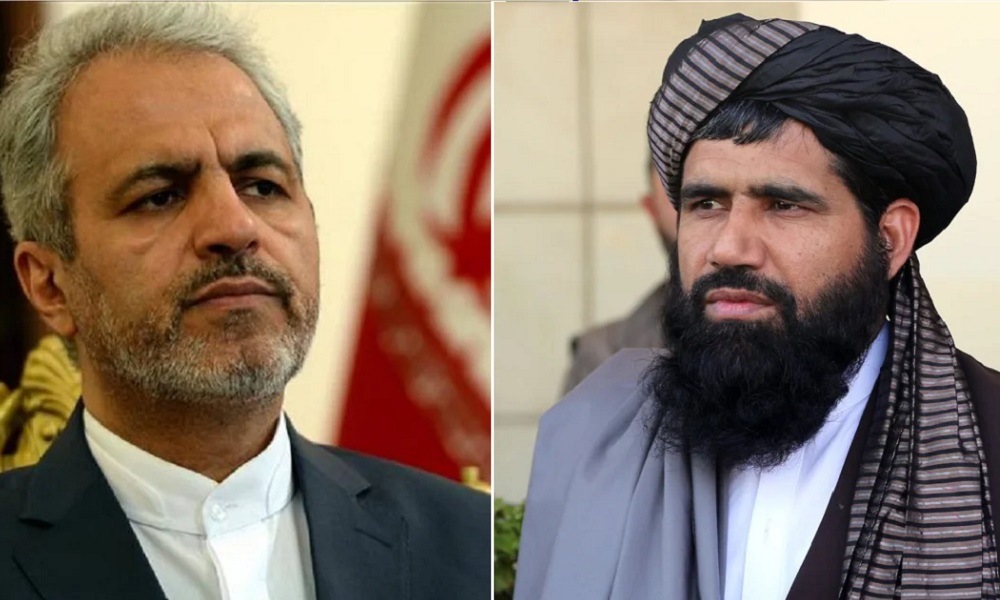
Omari and Iranian ambassador meet to strengthen Afghan migrant labor ties

FC Goa to take on FC Istiklol in next AFC Champions League Two match

Pakistan’s actions target militants, not religious sites: Khawaja Asif

ATN brings Winter and Summer Olympics live to Afghanistan

Gaza death toll tops 70,000, health ministry says

Iran rerouting more oil to China through Indonesia to dodge US sanctions

Islamic Emirate declines to attend Tehran meeting on Afghanistan

Cotton Industry in Crisis: Balkh farmers call for urgent action on exports

Torkham crossing likely to reopen on humanitarian grounds
Saar: Discussion on critiquing Trump’s immigration policy

Tahawol: Scholars slam Pakistan’s attacks on Afghanistan

Saar: Discussion over the fate of Ukraine’s war

Tahawol: Return of 6.8 million Afghan refugees to IEA rule

Saar: Pakistan army chief’s allegations against Afghanistan
-
 Latest News3 days ago
Afghanistan signs 30-year deal for marble mining in Daikundi
-

 Latest News23 hours ago
Afghanistan exports 10 containers of batteries to Saudi Arabia and UAE for first time
-

 Latest News1 day ago
Pakistani cleric condemns lifetime immunity for Army Chief as un-Islamic
-
 Latest News4 days ago
Pakistan summons Afghan diplomat over deadly attack in North Waziristan
-
 Latest News4 days ago
Afghan health minister calls for medical cooperation between Kabul and New Delhi
-
 Latest News4 days ago
Karzai urges reopening of girls’ schools and universities for Afghanistan’s bright future
-
 Latest News3 days ago
Bush Institute criticizes Trump administration’s Afghan immigration freeze
-
 Business4 days ago
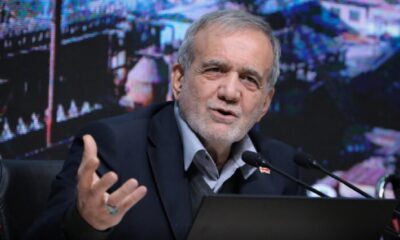
Pezeshkian pledges to facilitate Iran-Afghanistan trade