
Regional
Iranian official says verified deaths in Iran protests reaches at least 5,000
The U.S.-based HRANA rights group said on Saturday the death toll had reached 3,308, with another 4,382 cases under review. The group said it had confirmed more than 24,000 arrests.

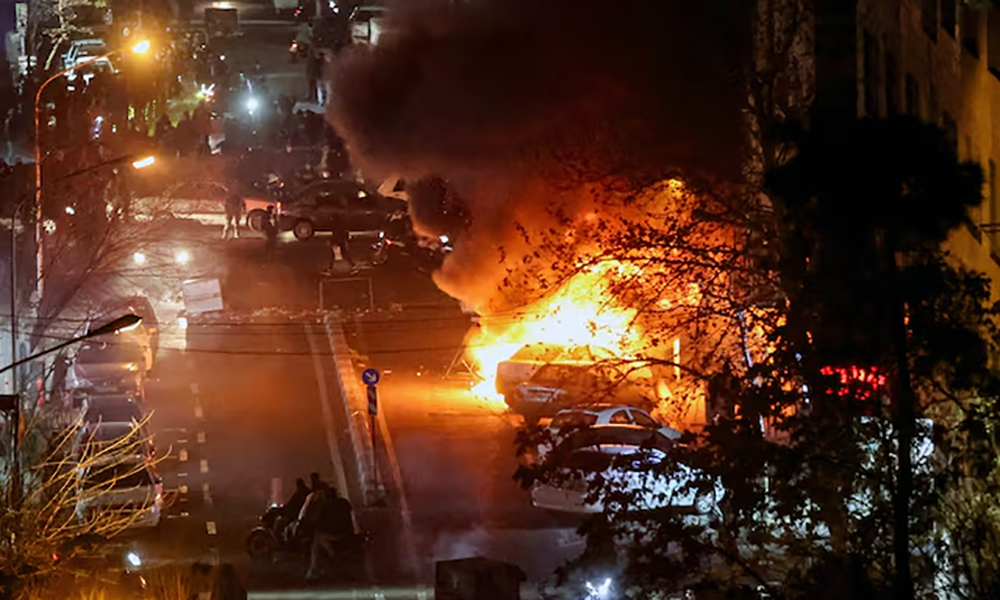
An Iranian official in the region said on Sunday the authorities had verified at least 5,000 people had been killed in protests in Iran, including about 500 security personnel, blaming “terrorists and armed rioters” for killing “innocent Iranians”.
The official, who declined to be named due to the sensitivity of the issue, also told Reuters some of the heaviest clashes and highest number of deaths were in the Iranian Kurdish areas in northwest Iran, a region where Kurdish separatists have been active and where flare-ups have been among the most violent in past periods of unrest.
“The final toll is not expected to increase sharply,” the official said, adding that “Israel and armed groups abroad” had supported and equipped those taking to the streets.
The Iranians authorities regularly blame unrest on foreign enemies, including Israel, an arch foe of the Islamic Republic which launched military strikes on Iran in June.
The U.S.-based HRANA rights group said on Saturday the death toll had reached 3,308, with another 4,382 cases under review. The group said it had confirmed more than 24,000 arrests.
The Iranian Kurdish rights group Hengaw, based in Norway, has said some of the heaviest clashes during protests that erupted in late December were in Kurdish areas in the northwest.






Regional
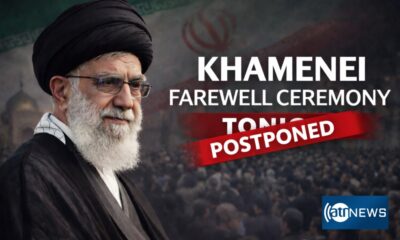
Iran postpones Khamenei mourning ceremony amid Israeli threats
When Ayatollah Ruhollah Khomeini, founder of the Islamic Republic, died in 1989, an estimated 10 million people attended his funeral.
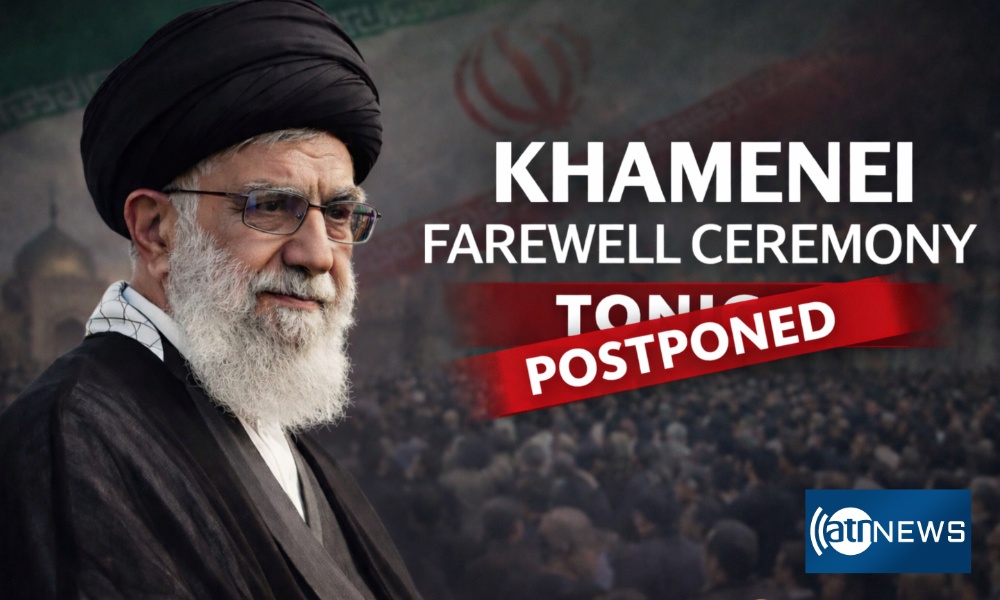
Iran has postponed a planned public mourning ceremony for Supreme Leader Ayatollah Ali Khamenei in Tehran, days after he was killed alongside several family members in joint US-Israeli air strikes.
State-affiliated Tasnim news agency reported that the delay was due to logistical challenges, including requests from people across multiple provinces who wish to attend. Analysts meanwhile stated security risks were also a consideration.
The ceremony had initially been scheduled to begin at 10pm local time at Tehran’s Imam Khomeini Prayer Hall and to continue over three days. Hojjatoleslam Mahmoudi, head of Iran’s Islamic Propagation Council, had earlier urged citizens to attend in large numbers to pay their respects.
Security concerns are however looming over the event. With millions expected to mourn, authorities face the risk of potential further attacks amid escalating hostilities between Iran, Israel and the United States.
When Ayatollah Ruhollah Khomeini, founder of the Islamic Republic, died in 1989, an estimated 10 million people attended his funeral.
Khamenei, 86, had served as Iran’s supreme leader since 1989, succeeding Khomeini after the 1979 revolution. As supreme leader, he held ultimate authority over the armed forces, judiciary and key state institutions, while serving as the country’s highest religious authority.
Attention has now shifted to the question of succession. Ayatollah Ahmad Khatami, a senior cleric and member of both the Guardian Council and the Assembly of Experts, said the process of selecting a new leader is nearing completion but acknowledged that the country remains in a “war situation.”
Under Iran’s constitution, the 88-member Assembly of Experts is responsible for appointing the supreme leader by simple majority vote. Candidates must be senior Islamic jurists with strong political judgment, administrative capability and religious credentials. Among those widely considered a leading contender is Khamenei’s second son, Mojtaba Khamenei.
Meanwhile, Israel’s Defence Minister warned that any successor who continues policies hostile to Israel would face the threat of assassination.
In a statement posted online on Wednesday, he said any future Iranian leader pursuing the destruction of Israel or threatening the United States and regional allies would be considered a target.
US President Donald Trump also commented publicly on Iran’s future leadership, saying the “worst-case scenario” would be another figure opposed to US interests.
Regional analysts say Iran’s political system has long prepared for the possibility of Khamenei’s death, with institutional structures designed to ensure continuity of command during crises.
Even so, the coming days are expected to be pivotal, as the country navigates both mass public mourning and a high-stakes transition of power under the shadow of war.
Regional
NATO condemns Iran’s targeting of Türkiye, reaffirms strong defense posture
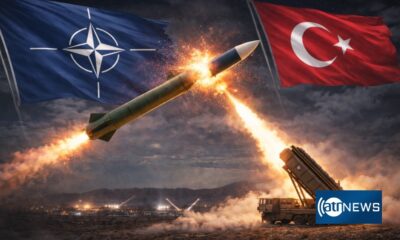
Türkiye’s Defense Ministry reported that a ballistic projectile launched from Iran toward Turkish airspace was intercepted and destroyed by NATO air and missile defense units operating in the Eastern Mediterranean.
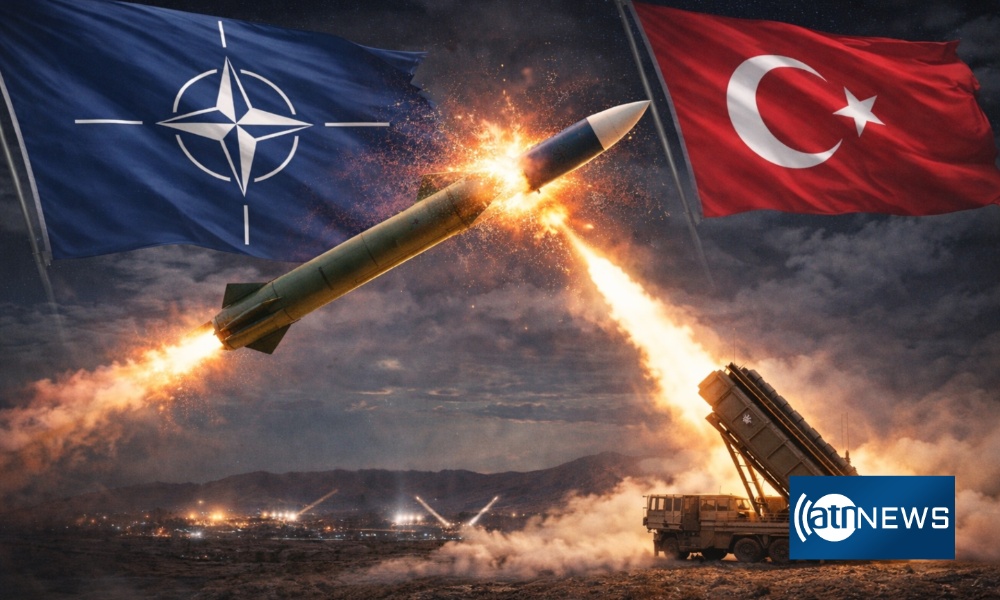
NATO on Wednesday strongly condemned Iran’s targeting of Türkiye and reiterated its firm commitment to defending all member states amid escalating regional tensions.
A NATO spokesperson said the alliance “stands firmly with all Allies, including Türkiye,” as Iran continues strikes across the region.
“Our deterrence and defense posture remains strong across all domains, including air and missile defense,” the spokesperson added, underscoring the alliance’s readiness to respond to threats.
Earlier, Türkiye’s Defense Ministry reported that a ballistic projectile launched from Iran toward Turkish airspace was intercepted and destroyed by NATO air and missile defense units operating in the Eastern Mediterranean.
According to the ministry, the munition was tracked after transiting Iraqi and Syrian airspace before being successfully neutralized.
The incident marks a further escalation in regional hostilities and highlights NATO’s heightened alert posture along its southeastern flank.
Regional
At least 80 killed after US submarine sinks Iranian warship near Sri Lanka
US Defence Secretary Pete Hegseth acknowledged the strike, describing it as a demonstration of America’s global military reach amid its ongoing war with Iran.
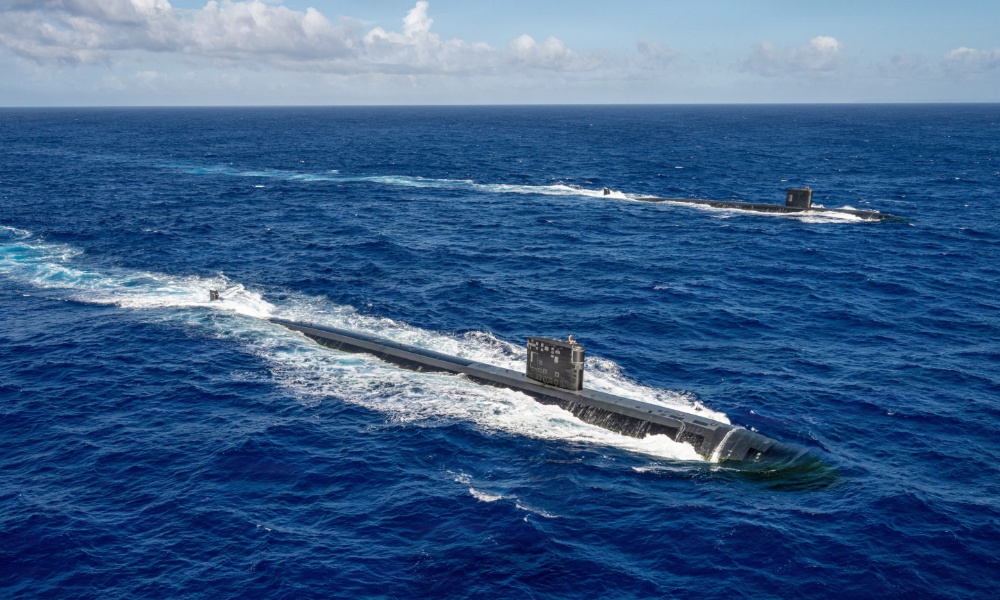
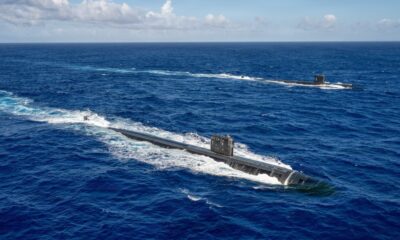
At least 80 people were killed after a US submarine torpedoed and sank an Iranian Navy warship in the Indian Ocean near Sri Lanka, according to a report by Reuters.
The United States has not confirmed the reported death toll. However, US Defence Secretary Pete Hegseth acknowledged the strike, describing it as a demonstration of America’s global military reach amid its ongoing war with Iran.
“An American submarine sunk an Iranian warship that thought it was safe in international waters. Instead, it was sunk by a torpedo,” Hegseth told reporters.
Sri Lankan authorities said 32 crew members were rescued from the frigate IRIS Dena following the attack. A further 148 sailors remain missing, with search efforts ongoing and hopes fading that additional survivors will be found.
Hegseth referred to the strike as a “quiet death,” calling it the first time since World War II that the United States has sunk an enemy vessel using a torpedo. “Like in that war,” he said, “we are fighting to win.”
The Pentagon has said one of the central objectives of the US-Israeli military campaign against Iran, launched over the weekend, is to dismantle Iran’s naval capabilities.
The sinking marks a significant escalation in maritime hostilities, expanding the conflict further into the Indian Ocean and raising concerns about regional shipping routes and broader security implications.


Tahawol: Discussion on ongoing US–Israel war with Iran

Iran postpones Khamenei mourning ceremony amid Israeli threats

Saar: Turkiye’s efforts to revive ceasefire between Kabul-Islamabad

NATO condemns Iran’s targeting of Türkiye, reaffirms strong defense posture

At least 80 killed after US submarine sinks Iranian warship near Sri Lanka

Pakistani military jet downed in Afghanistan’s Jalalabad, pilot captured alive

Afghan Air Force conducts airstrikes in Islamabad, other cities

IEA releases three Pakistani soldiers to mark Ramadan

Afghanistan’s Chief of Armed Forces underscores readiness and equipment for national defense

Afghanistan welcomes investment and technology partnerships with India
Tahawol: Discussion on ongoing US–Israel war with Iran
Saar: Turkiye’s efforts to revive ceasefire between Kabul-Islamabad

Tahawol: Discussion on ongoing conflicts between Afghanistan and Pakistan

Saar: Ongoing retaliatory operations against Pakistan discussed

Saar: Afghan forces’ operation against Pakistani military
-
 Latest News5 days ago
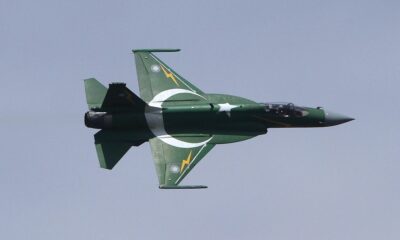
Pakistani military jet downed in Afghanistan’s Jalalabad, pilot captured alive
-
 Latest News3 days ago
Afghan air force strikes key Pakistani military installations in retaliatory operation
-
 Latest News5 days ago
Afghan forces conduct fresh airstrikes on Pakistani military targets
-
 World4 days ago
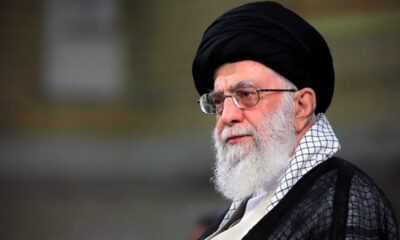
US lawmakers, world leaders react to death of Ayatollah Ali Khamenei after Iran strikes
-
 Latest News5 days ago
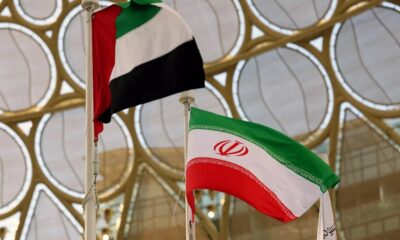
UAE and Iran call for diplomatic resolution to Afghanistan–Pakistan tensions
-
 Regional2 days ago
Middle East conflict intensifies; UK base in Cyprus targeted
-
 Regional4 days ago
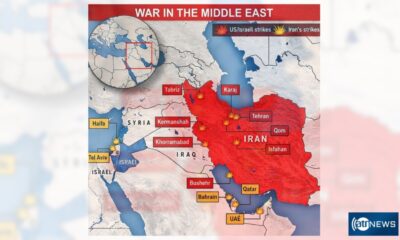
Iran launches widespread drone and missile strikes on Gulf states amid US-Israeli attacks
-
 Regional4 days ago
Iran to form interim leadership council as officials vow retaliation after Ayatollah’s death