
Latest News
More Children Dying in Afghanistan War, Says UN, with Death Toll Up 15 Percent

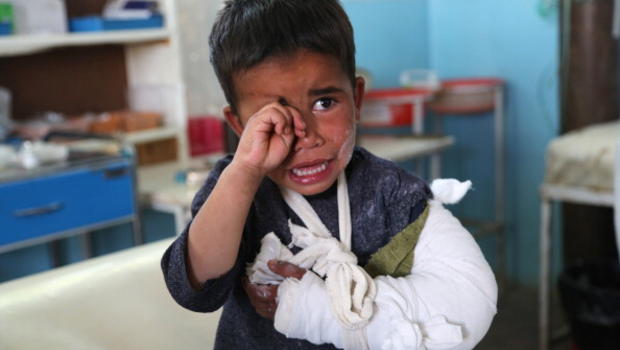
 The number of children killed and injured in Afghanistan’s war has increased in the first nine months of the year, 2016, compared to the previous year, said U.N. Assistance mission in a new report released Wednesday.
UN mission said it has documented 2,461 casualties among children in 2016 — 639 deaths and 1,822 wounded.
The statistic shows a 15 percent increase comparing to the last year, January-September 2015.
The mission voiced concern over the continuing increase in child casualties, which have risen every year since 2013.
Between Jan. 1 and Sept. 30, UNAMA documented 8,397 conflict-related civilian casualties with 2,562 deaths and 5,835 wounded. That represents a 1 percent decrease, compared to the same period in 2015, said the mission.
Suicide bombings and other attacks, including improvised explosive devices are the main reasons of civilian causalities.
“Increased fighting in densely populated areas makes it imperative for parties to take immediate steps to ensure all feasible precautions are being taken to spare civilians from harm,” the report quoted Tadamichi Yamamoto, the U.N. chief’s special representative for Afghanistan.
Casualties caused by pro-government forces rose 42 percent compared to last year, with 623 deaths and 1,274 injured, U.N. investigators reported.
That includes a spike of 72 percent in casualties from air strikes by the Afghan air force and its international allies.
At least 133 people were killed and 159 were injured in air strikes, with two-thirds of those casualties attributed to the Afghan air force, the U.N. said.
The deadliest areas for civilians are in the traditional Taliban heartland in the south, including Uruzgan, the deeply impoverished, mountainous province that claimed most of the 41 Australian Defense Force personnel who perished during Australia’s combat mission in Afghanistan.
The U.N. report also documented numerous conflict-related incidents targeting health-care and educational facilities, as well as those providing humanitarian aid.
In terms of deaths and injuries, 2013 was the worst year of the war for Afghan women and children, with most of the casualties caused by either stepping on or driving over roadside bombs or getting caught in fighting.
But the deadliest year of the war were 2011 and 2016, when 3,133 civilians died as the Taliban launched a fierce pushback with roadside bombs and other attacks against the increased number of international forces who wrested back much of the territory controlled by the insurgents and in 2016 the bloody year for civilians when they marched in a protest for transferring power from central areas of the country.

Latest News
China’s special envoy visits Afghanistan, holds talks with Muttaqi and Anas Haqqani
According to the ministry, the discussions focused on China-Afghanistan relations as well as regional and international issues of mutual interest.
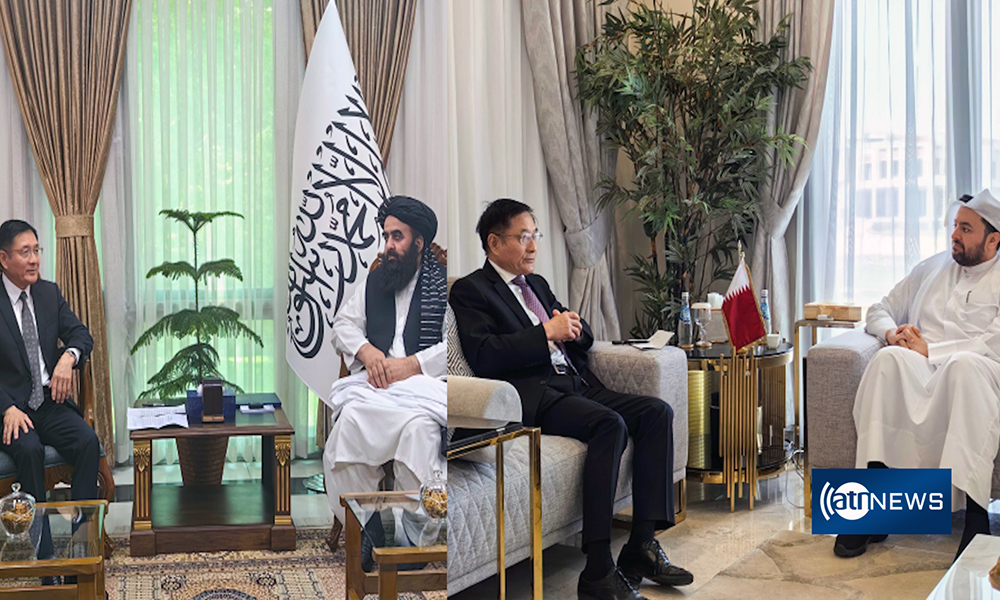
China’s Special Envoy for Afghan Affairs, Yue Xiaoyong, has visited Afghanistan and Qatar as part of a regional diplomatic tour aimed at strengthening bilateral relations and discussing regional cooperation, China’s Ministry of Foreign Affairs said.
In a statement, the Chinese Foreign Ministry said Yue traveled to Afghanistan and Qatar from May 10 to May 16, 2026.
During his visit to Afghanistan, the Chinese envoy held separate meetings with Afghanistan’s Acting Foreign Minister Mawlawi Amir Khan Muttaqi and senior Interior Ministry adviser Anas Haqqani.
According to the ministry, the discussions focused on China-Afghanistan relations as well as regional and international issues of mutual interest.
China has continued diplomatic engagement with Afghanistan since the Islamic Emirate returned to power in 2021 and has repeatedly stressed the importance of regional stability, economic cooperation and connectivity projects involving Afghanistan.
In recent years, Beijing has also expanded talks with Afghan officials on trade, infrastructure development and security cooperation.
As part of the regional tour, Yue also visited Qatar, where he met Mohammed bin Abdulaziz Al-Khulaifi, Qatar’s Minister of State at the Ministry of Foreign Affairs.
The Chinese Foreign Ministry said both sides exchanged views on issues of common concern, but did not provide further details about the discussions.
China and Qatar have both remained actively involved in regional diplomacy related to Afghanistan, including humanitarian assistance, political dialogue and economic cooperation initiatives.
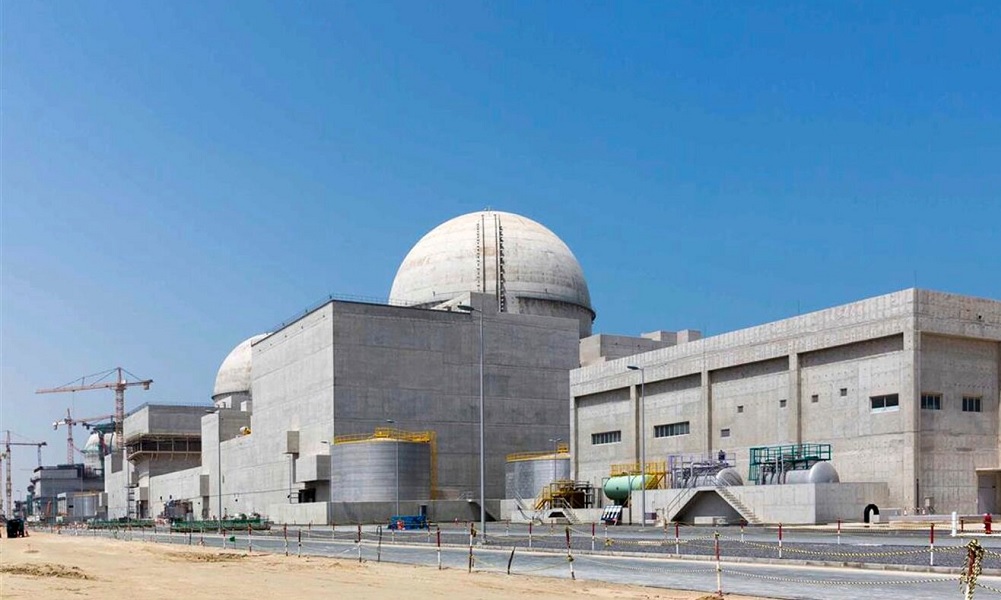
The Ministry of Foreign Affairs of the Islamic Emirate of Afghanistan (IEA) has expressed deep concern over rising tensions in the region and condemned recent drone attacks targeting civilian facilities in the United Arab Emirates, particularly the Barakah nuclear power plant.
In a statement released on Monday, the ministry called on all parties involved in the ongoing conflict to exercise restraint and caution, warning against further escalation of violence in the region.
The ministry emphasized the importance of respecting international principles and responsibilities, urging all sides to avoid actions that could intensify the crisis. It said ongoing disputes should be resolved through dialogue and peaceful means.
The UAE said Sunday that a fire broke out in an electrical generator outside the inner perimeter of the Barakah nuclear power plant after it was struck by a drone.
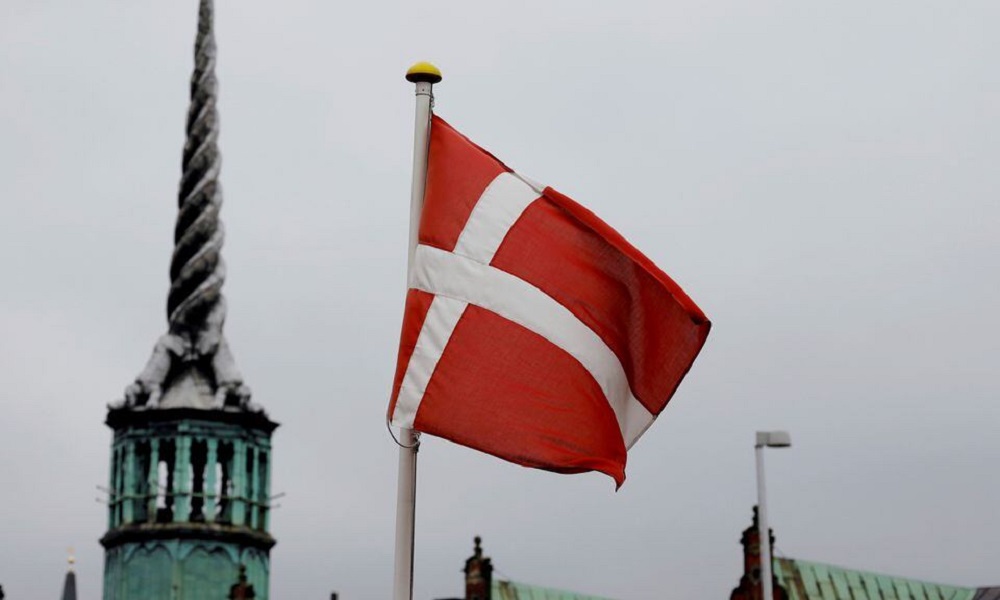
Denmark has donated more than $5 million to the Afghanistan Humanitarian Fund to support urgent relief efforts and assist vulnerable communities across the country.
The United Nations Office for the Coordination of Humanitarian Affairs (OCHA) said the new funding will help finance emergency humanitarian programs and expand access to critical assistance for people affected by ongoing crises in Afghanistan.
According to OCHA, the contribution will strengthen the delivery of essential services and support continuing humanitarian operations aimed at assisting millions of Afghans facing severe hardship.
The agency warned that Afghanistan’s humanitarian situation remains extremely fragile, with millions of people still in urgent need of food aid, healthcare, and livelihood support.
OCHA also thanked donor countries for their continued financial contributions, stressing that sustained international assistance remains vital for maintaining humanitarian operations throughout the country.
The United Nations estimates that nearly 22 million people in Afghanistan could require humanitarian assistance in 2026, as poverty and food insecurity continue to affect large parts of the population.
Humanitarian organizations have further warned that the mass return and deportation of Afghan migrants from Pakistan and Iran are placing additional strain on Afghanistan’s already overstretched public services and aid systems.
International agencies have repeatedly cautioned that shrinking global aid budgets could further worsen conditions for millions of Afghans who depend on emergency humanitarian support.
The UN has previously launched a $1.71 billion humanitarian response plan for Afghanistan, describing the country as one of the world’s largest ongoing humanitarian crises.


China’s special envoy visits Afghanistan, holds talks with Muttaqi and Anas Haqqani

Revised Iranian proposal to end war shared with US, Pakistani source says

Trump says he paused attack on Iran, signals a nuclear deal may be possible

Tahawol: Central Asia’s security link to Afghanistan stability

Saar: Afghanistan’s engagement with the world

New Afghanistan-China transport corridor launched via Turkmenistan

Bayat Power extends gas supply deal with Afghan Gas

Afghanistan signs $46 million deal to develop standard laboratory complexes

Germany to launch online visa system for Afghan study and work applicants in Pakistan

Webinar series highlights growing climate pressures on livelihoods in Afghanistan
Tahawol: Central Asia’s security link to Afghanistan stability
Saar: Afghanistan’s engagement with the world

Tahawol: Fragile U.S.-Iran ceasefire

Saar: Afghanistan and Russia’s expanding relations

Tahawol: Ongoing threats to resume war with Iran discussed
-
 World2 days ago
Large blast near Beit Shemesh part of pre-planned test: Israeli defense firm
-
 Latest News5 days ago
IEA FM receives credentials of new ICRC head in Afghanistan
-

 Latest News4 days ago
Afghan migrant arrested over alleged assault of schoolgirl in Germany
-

 Latest News3 days ago
Russia asked to send medical teachers to Afghanistan: Overchuk
-
 World2 days ago
Trump returns from China with stability but little progress
-

 Latest News4 days ago
US CENTCOM chief says Afghanistan remains key terrorism concern
-

 Sport5 days ago
FIFA to launch global social impact campaigns at 2026 World Cup
-

 Latest News5 days ago
Russia says it is building ‘full partnership’ with IEA