
Business
Pakistan hands over 3,600 tons of wheat seed to Afghanistan

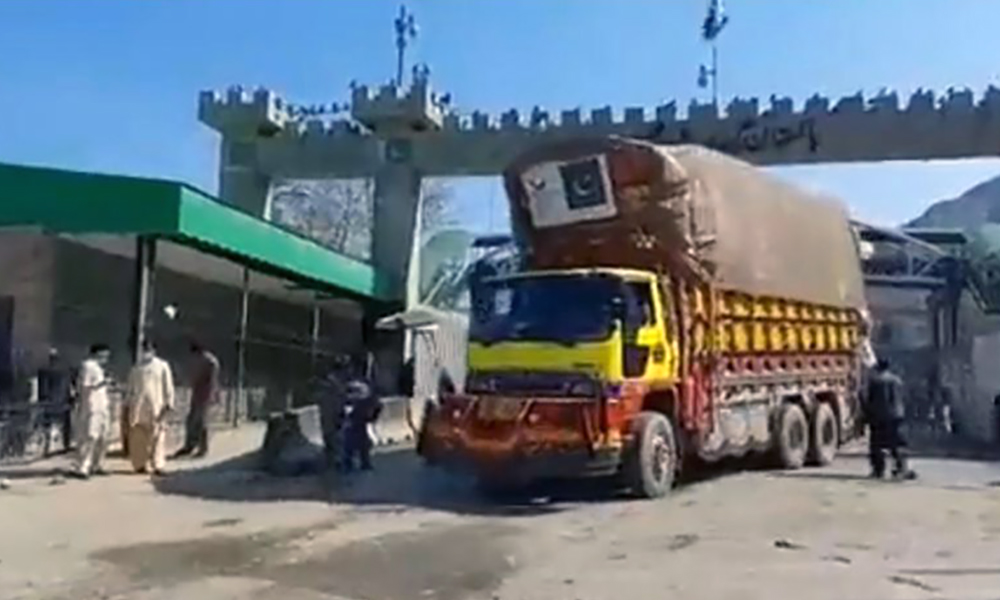
Pakistan on Monday handed over the first consignment of 3,600 metric tons of wheat seed to Afghanistan as a gesture of goodwill.
Pakistan’s Ambassador to Afghanistan Mansoor Ahmad Khan handed over the consignment, 28 truckloads, to Afghanistan’s Deputy Minister of Agriculture Maulana Fazl Bari Fazli at the Torkham border crossing.
Speaking to the media, Mansoor Ahmad Khan said that the Pakistani government has been cooperating with the Afghan government and its people on humanitarian grounds.
Pakistan has brotherly relations with Afghanistan and extends full cooperation to provide food, medicine, education and medical aid to the Afghan government, he said.
He said that emergency facilities were being provided to patients from Afghanistan while talks were underway between the two governments to permanently resolve the difficulties being faced by Afghan medical patients at border crossings.
He further said that the government of Pakistan has set up three big hospitals in Afghanistan and measures are being taken to up-grade these hospitals so that Afghans get good medical facilities in their own country.
The Pakistani ambassador said that steps have also been taken to expedite and facilitate trade between the two countries adding that due to certain situations in Afghanistan the trade volume has been affected between the two countries.
To promote trade and to solve the problems of the business community, Islamabad and Kabul want to rehabilitate the existing highway and construct a separate route for trade. He said Pakistan would continue its cooperation with Afghanistan to strengthen bilateral relations.






Business
Regional partners seek progress on Trans-Afghan corridor and CASA railway
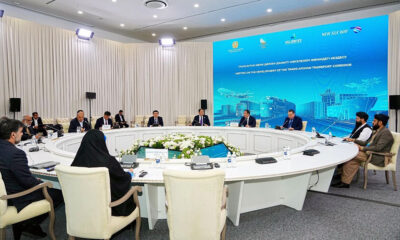
The discussions took place during the international NEW SILK WAY business forum in Astana, attended by senior transport officials from the five countries.
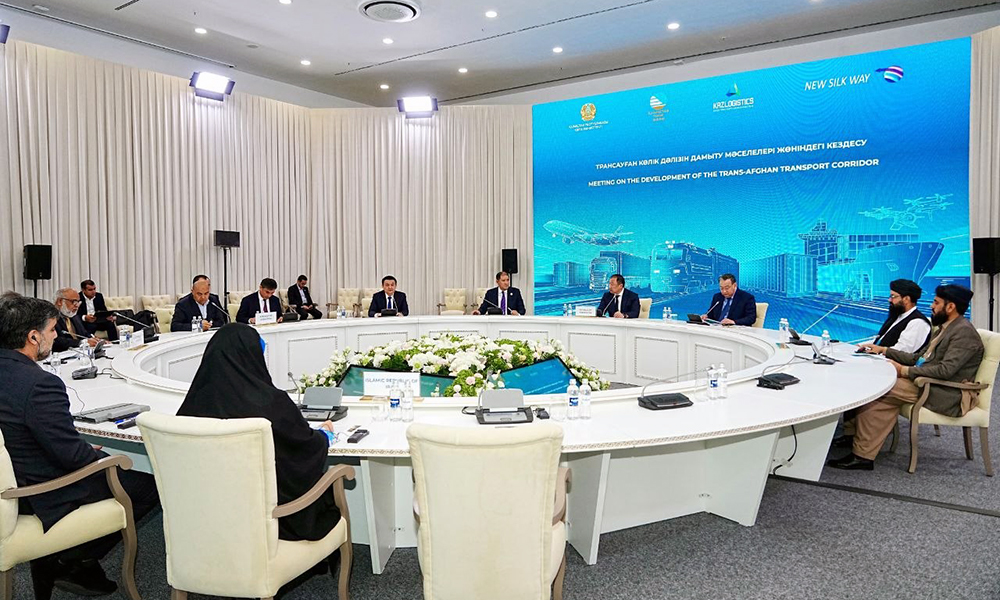
Officials from Kazakhstan, Afghanistan, Uzbekistan, Pakistan and Iran have discussed ways to advance the Trans-Afghan transport corridor and the Central Asia-South Asia (CASA) railway project, aiming to strengthen regional connectivity and expand trade routes.
According to Kazakhstan’s Ministry of Transport, the discussions took place during the international NEW SILK WAY business forum in Astana, attended by senior transport officials from the five countries.
The meeting focused on the CASA railway project, which aims to improve transport links between Central, South and West Asia, increase freight capacity and provide better access to international markets and seaports.
Participants reviewed the project’s current status and practical implementation requirements, including route coordination, infrastructure development and the establishment of a cargo base.
They also discussed financing mechanisms, attracting potential investors and international financial institutions, and strengthening coordination among Kazakhstan, Uzbekistan, Afghanistan and Pakistan.
Kazakhstan’s Minister of Transport, Nurlan Sauranbaev, said the participating countries had reaffirmed their shared interest in developing the Trans-Afghan corridor and implementing the CASA railway project.
“It is important for us to move from discussions to practical action,” Sauranbaev said, adding that the project could create an additional transport link between the regions, increase transit capacity, expand freight opportunities and strengthen trade and economic ties.
Following the meeting, participants reaffirmed their commitment to continued cooperation and the development of practical measures to advance the project.
Business
IsDB urges MENAP countries to boost economic resilience and private investment
The meeting brought together regional finance ministers, central bank governors and international financial institutions to discuss economic challenges and policy priorities.
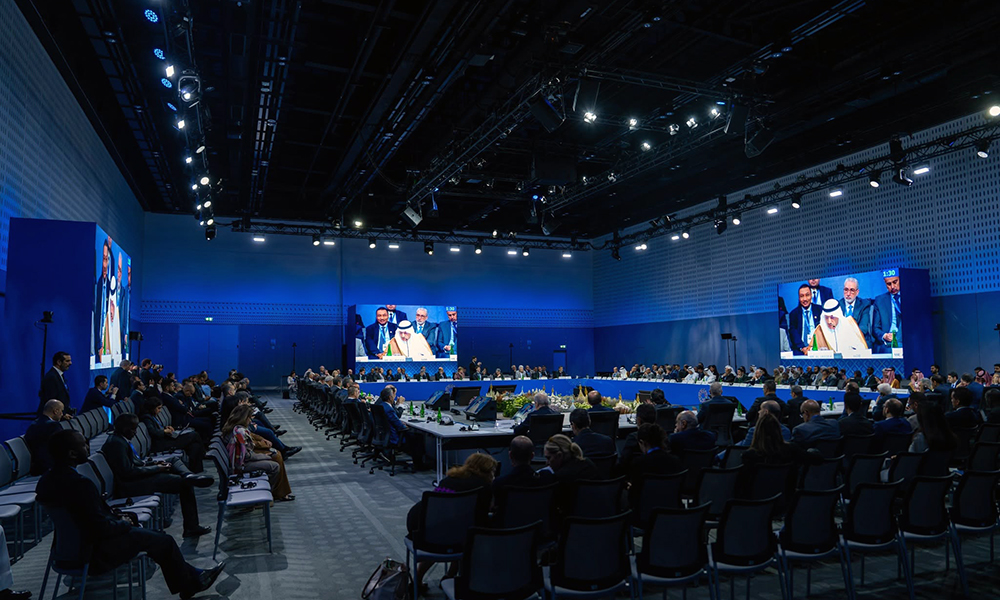
The Islamic Development Bank (IsDB) Group has urged countries across the Middle East, North Africa, Afghanistan and Pakistan (MENAP) region to strengthen economic resilience, address structural challenges and attract private investment to support sustainable growth.
IsDB Group Chairman Dr. Muhammad Al Jasser outlined the priorities during the MENAP Ministers and Governors’ Meeting with the managing director of the International Monetary Fund (IMF), held on the sidelines of the World Bank Group and IMF meetings in Bangkok, Thailand, according to an IsDB statement.
Al Jasser identified four key priorities: maintaining macroeconomic stability, addressing structural economic weaknesses, mobilizing private capital and strengthening regional integration.
He stressed the need to rebuild fiscal and external financial buffers to help countries withstand economic shocks, while investing in infrastructure, human capital and economic diversification.
He also highlighted the importance of private-sector investment, stronger partnerships and innovative financing mechanisms in driving development.
On regional cooperation, Al Jasser called for improved connectivity and stronger trade and investment ties to develop regional value chains and create opportunities for sustainable growth.
The IsDB Group said it has approved nearly US$100 billion cumulatively for member countries across the MENAP region, reaffirming its commitment to supporting more diversified, resilient and inclusive economies.
The meeting brought together regional finance ministers, central bank governors and international financial institutions to discuss economic challenges and policy priorities.
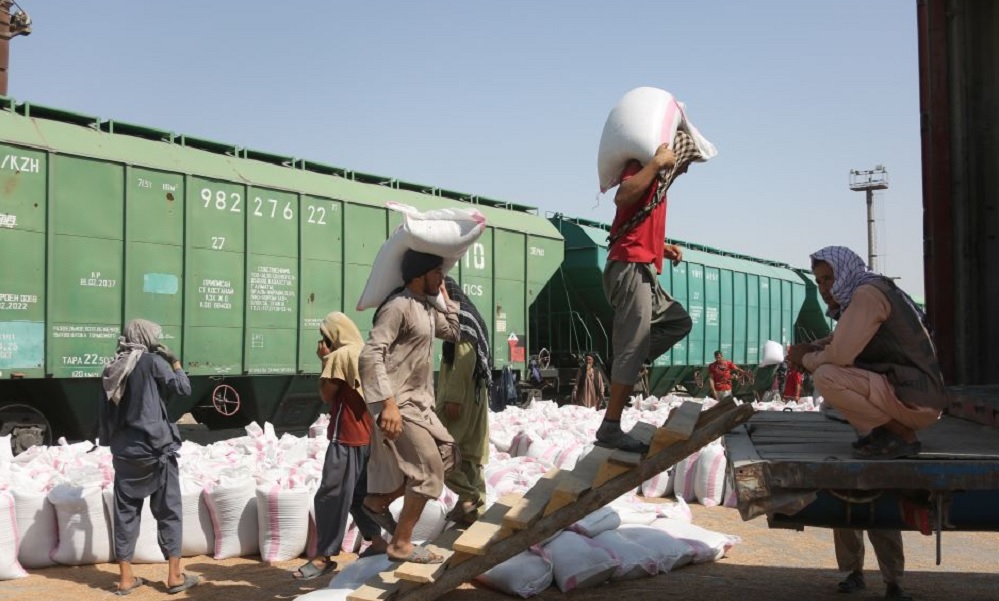
The Hairatan railway port in northern Afghanistan receives between 280 and 300 freight wagons daily from Central Asian countries, highlighting its growing role in connecting Afghanistan to regional and international markets.
The 75-kilometer Hairatan–Mazar-e-Sharif railway links Afghanistan with Uzbekistan and provides a key route for transporting goods from Central Asia, China and other international markets into the landlocked country.
Sayed Qadim Karimi, head of railway transportation at Hairatan port, told China’s Xinhua news agency that trade activity had increased this year, with an average of 280 to 300 wagons arriving at the port each day.
He said the railway transports a wide range of goods to Afghanistan, including clothing, medical equipment, machinery and electrical equipment, adding that trade with China had expanded in recent years.
Afghan traders say the railway connection has helped strengthen commercial ties with China and other regional countries while making it easier to transport imported goods.
“We transport our goods from China by freight train via Kazakhstan and Uzbekistan and receive them at Hairatan port,” businessman Ahmad Agha told Xinhua.
Agha said trade with Chinese businesses offered promising opportunities and expressed hope that further railway development would strengthen commercial ties with Kazakhstan, Russia and European countries.
He added that rising cargo volumes had created employment opportunities for local residents, with hundreds of workers handling containers at the port daily to support their families.
Another Afghan businessman, Ahmad Farid Fardan, who imports women’s clothing and colorful fabrics from China, said the railway connection had strengthened trade relations between the two countries.
Fardan expressed hope that expanding railway networks would help Afghanistan broaden its trade and economic relations with China and other countries in the region.
The railway’s role in China-Afghanistan trade dates back to 2016, when the first cargo train from China reached Hairatan as part of a pilot project. In 2019, Afghanistan sent its first export train to China, carrying several containers of talc powder.
The Hairatan railway remains an important transport link for Afghanistan’s import and export activities, offering access to regional markets and broader trade networks extending to Kazakhstan, Kyrgyzstan, Russia, China and Europe.


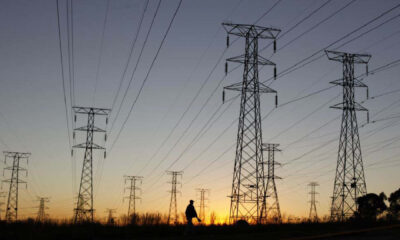
Tawsia: Efforts to increase energy production capacity in Afghanistan

Afghanistan Champions League: Abu Muslim Farah beat Sarsabz Yashlar 3-1

IEA ambassador: Daesh leadership and centers ‘completely’ eliminated in Afghanistan

Regional partners seek progress on Trans-Afghan corridor and CASA railway

CSTO chief says IEA has become long-term political actor in Afghanistan

Cricket Bonanza: Afghanistan set for packed international schedule

Afghanistan says 28 killed, 32 captured in Nuristan operation

Silk Road highway in Wakhan corridor now reaches the China border

CNN, MS NOW and Politico sue Trump, challenging White House ban

Dogharoun handles 60% of Iran’s exports to Afghanistan
Tawsia: Efforts to increase energy production capacity in Afghanistan

Saar: Review of state officials’ visits to Kabul over past month discussed

Tahawol: Kyrgyzstan’s rejection of Afghan refugees discussed

Saar: Central Asia’s trade alternative to Pakistan discussed

Tahawol: Warnings over worsening insecurity in Pakistan discussed
-

 Sport3 days ago
Afghan futsal coach: Brazil tournament is first step towards new goals and World Cup
-
 Latest News3 days ago
Afghan official says Durand Line crossings to remain closed until Islamabad accepts demands
-
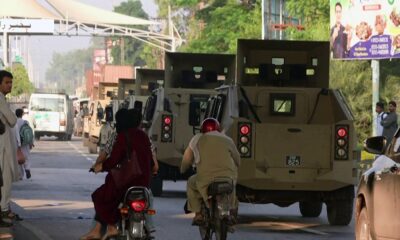
 Regional5 days ago
Pakistan deploys military to Peshawar after emergency rule declared
-
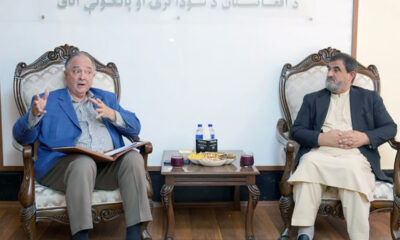
 Business5 days ago
Afghanistan, US business leaders discuss trade and investment opportunities
-
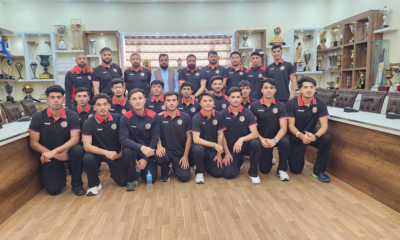
 Sport5 days ago
Afghanistan U19 begin Asia Cup Preparations with Oman tour
-
 Latest News5 days ago
Mujahid accuses Pakistani military circles of sabotaging talks with Afghanistan
-

 Latest News2 days ago
India, Russia hold security talks on Afghanistan and Pakistan amid regional tensions
-
 Latest News5 days ago
Afghanistan calls for faster completion of CASA-1000 power project