
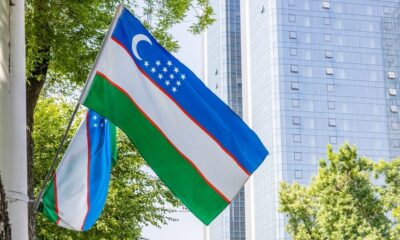

“In just five years, bilateral trade has increased 2.5 times — from $653 million in 2021 to $1.7 billion in 2025. Our objective now is to...
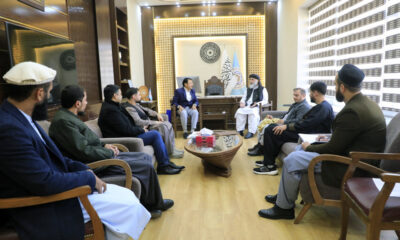

Azizi welcomed the proposals, emphasizing Afghanistan’s abundant investment opportunities and reaffirming full support.
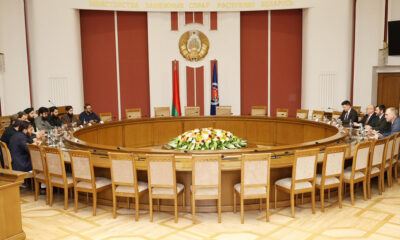

The delegation also visited major state and industrial enterprises, including, the State Chemical Service, and agricultural farms under the Ministry of Agriculture.
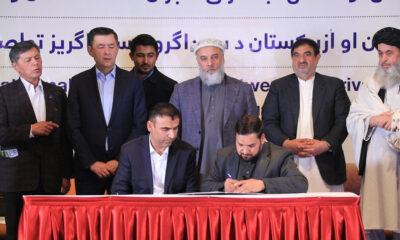

Turdimov underscored the long-standing historical and economic links between the two nations and noted the active role of Afghan traders in the Syrdarya region.
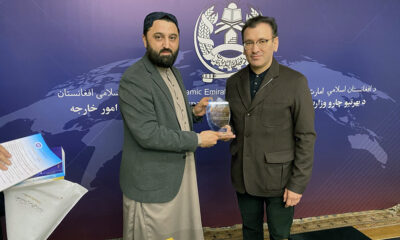

The discussions come amid continued efforts by neighboring countries to maintain pragmatic engagement with Kabul despite ongoing political and economic challenges.
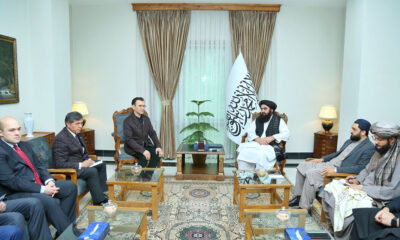

During the meeting, the two sides discussed ways to further strengthen political and economic cooperation, as well as key regional issues.
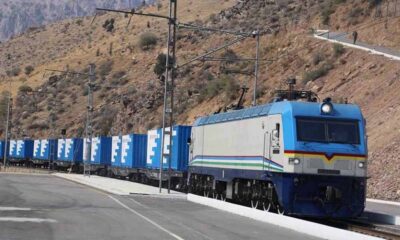

The two sides also agreed to adopt a new format for regular commission meetings to improve coordination and accelerate joint projects.
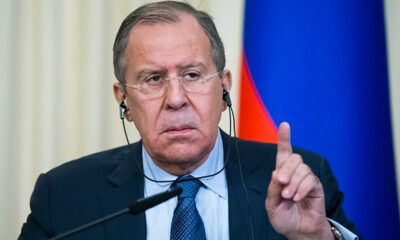

The comments were issued in written responses ahead of Foreign Minister Sergei Lavrov’s annual press conference, after questions could not be addressed due to time constraints.
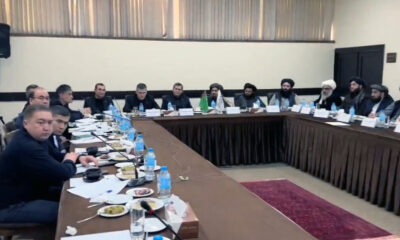

Baradar also urged Turkmenistan to clarify its position on the Torghundi–Herat railway project, noting that Kazakhstan has shown strong interest in its implementation.
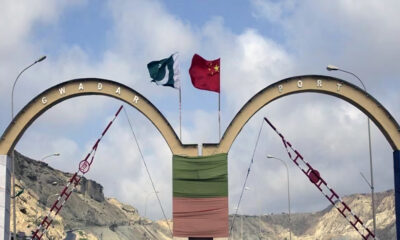

The proposed CPEC expansion into Afghanistan is seen as a move to enhance regional economic integration amid shifting geopolitical dynamics.
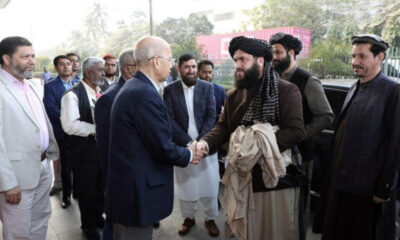

Under the agreement, Afghan traders will enter into direct contracts with Bangladeshi producers to supply medicines to the Afghan market.


The delegation, led by Deputy Minister of Industry and Commerce Ahmadullah Zahid, includes senior government officials as well as five Afghan traders representing various sectors.
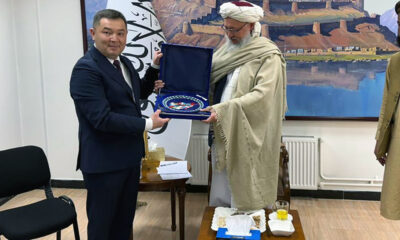

Minister Sydykov, in turn, pledged the continuation of Kyrgyzstan’s humanitarian assistance to Afghanistan and highlighted his country’s interest in working together on e-governance initiatives.
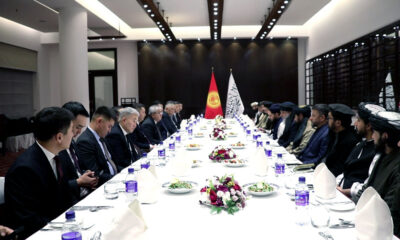

Azizi welcomed the Kyrgyz delegation and thanked them for visiting Kabul, underscoring the importance of closer economic engagement between the two countries.

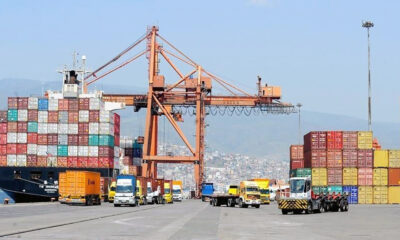
Officials said the proposed investments could contribute significantly to job creation, the transfer of technical skills, and the broader growth of Afghanistan’s economy.

Azizi reaffirmed Afghanistan’s readiness to deepen cooperation, saying the government is committed to providing greater support and streamlined facilities for Chinese businesses.
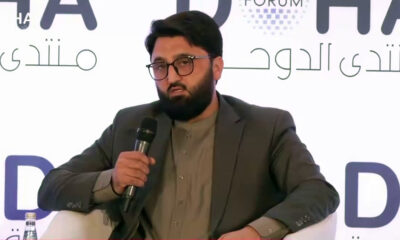

Qanit urged both countries to take a long-term view. “It is essential for Pakistan and Afghanistan to sit together and resolve these problems. If these crises...
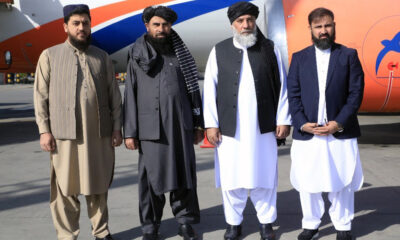

The event is expected to draw government officials, investors, and business leaders from across the Muslim world.
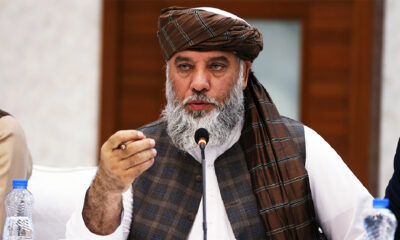

He noted that with improved stability, streamlined administrative procedures, and simplified licensing systems, investing in Afghanistan has become more predictable and efficient.
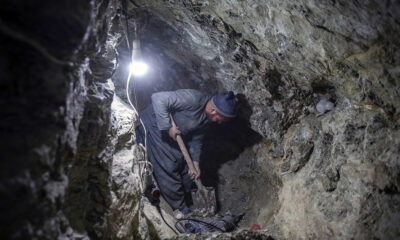

Azizi added that Indian firms will be charged only a 1% tariff on machinery imports meant for investment projects.
| Country | Selling in AFS | |
|---|---|---|
| 1 USD |  | 63.90 |
| 1 EUR |  | 71.60 |
| 1 PND |  | 84.60 |
| 1 AED |  | 16.93 |
| 1 TRY |  | 1.45 |
| 1000 INR |  | 756 |
| 1000 IRR |  | 0.43 |
| 1000 PKR |  | 213 |


