
Latest News
Tehran governor says 1.4 million Afghans deported in six months
Many returnees arrive with very few belongings; some are exhausted, traumatized, or in need of urgent assistance.

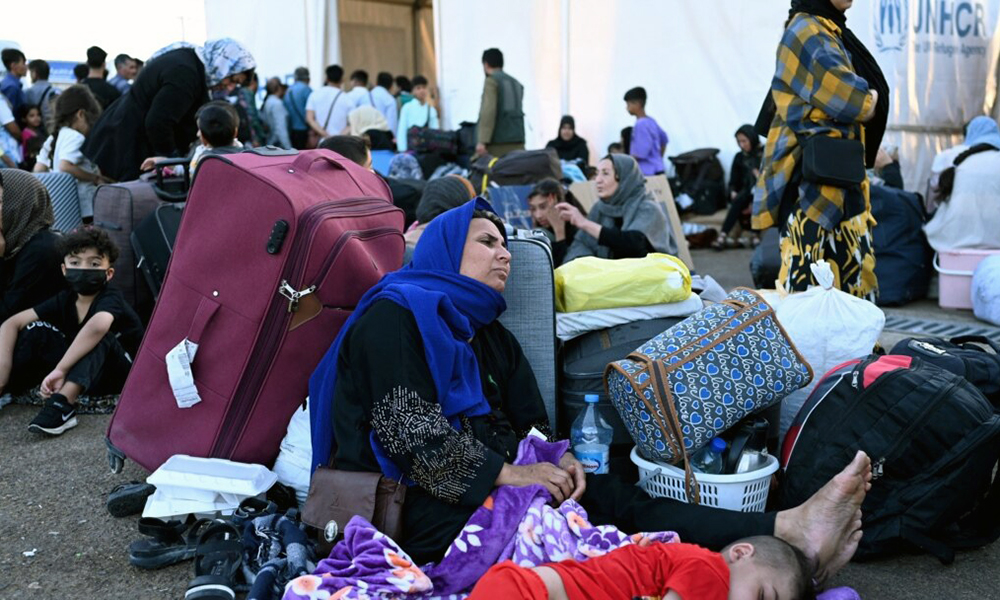
Tehran’s governor, Mohammad Sadegh Motamedian, has announced that around 1.4 million undocumented Afghan nationals have been deported from Iran in the past six months, since the start of the Persian year.
Motamedian said the large-scale removals have freed up more than 3,000 classrooms and contributed to a 30–35 percent drop in rental prices, easing pressure on Tehran’s already strained housing and education sectors. He added that a second phase of deportations would begin this week, aimed at what he described as a “comprehensive resolution” of the issue of illegal foreigners.
Iran has hosted millions of Afghans since the early 1980s, when the Soviet invasion of Afghanistan triggered one of the region’s largest refugee movements.
Over the decades, successive waves of conflict—including civil war, Taliban rule, the U.S.-led intervention, and now ongoing instability under the Islamic Emirate—have kept Afghans crossing into Iran in search of safety and work.
According to the UN, Iran currently hosts over three million Afghans, many of them without legal status. While Iranian authorities have repeatedly emphasized the burden on public services, international organizations have expressed concern over the humanitarian impact of mass deportations, particularly as Afghanistan struggles with widespread poverty, food insecurity, and limited capacity to absorb returnees.
The vast number of returning refugees has however impacted Afghanistan’s local systems, which have come under severe strain. Services, such as housing, healthcare, and food) in border provinces are now overstretched.
Many returnees arrive with very few belongings; some are exhausted, traumatized, or in need of urgent assistance.
There is meanwhile growing concern among organizations that unless funding increases the humanitarian situation could worsen further – especially as winter looms.
IOM reports that over 1.5 million Afghans have returned to Afghanistan from Iran alone since the start of 2025.
Last month, the UN High Commissioner for Refugees (UNHCR) reported that over four million Afghans have returned from Pakistan and Iran since September 2023. So far this year the total is over 2.3 million combined from the two countries.
Some sources put the number for both countries combined even higher. For example, one IOM update last week states the total in two years has been 2.7 million returns from Iran and Pakistan.








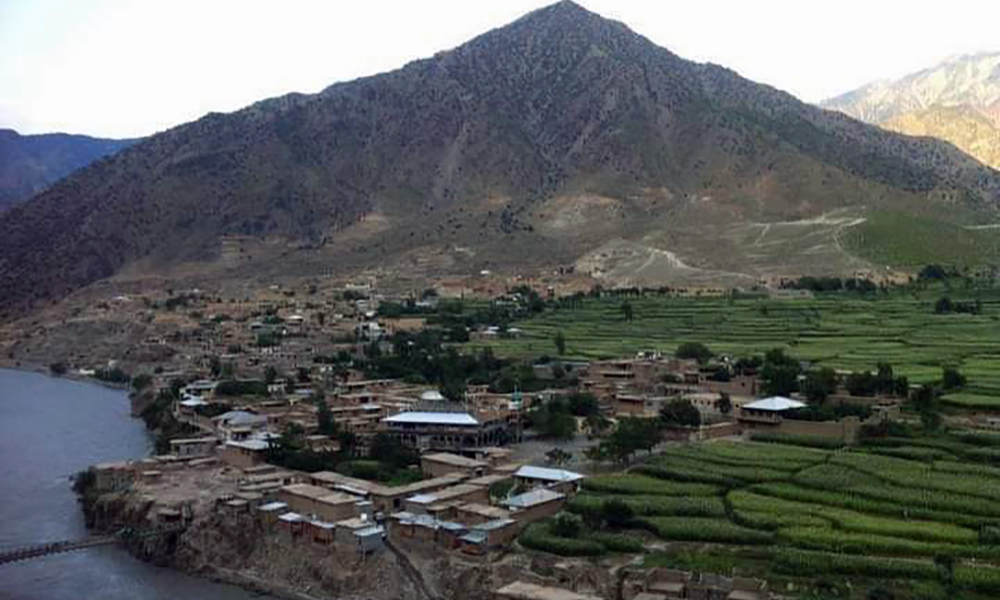
Hamdullah Fitrat, deputy spokesman of the Islamic Emirate, said that a mortar shell of the Pakistani military regime hit Shanpat area of Nari district of Kunar province at 9:30 am on Sunday, killing one civilian and wounding another.
The injured person is a woman, he said.
Pakistani forces also opened fire on a civilian vehicle in Shakin district of Paktika province, but no casualties were reported, Fitrat said.
The Pakistani government had earlier announced that it would halt its attacks on Afghanistan until Monday night on the occasion of Eid-ul-Fitr.
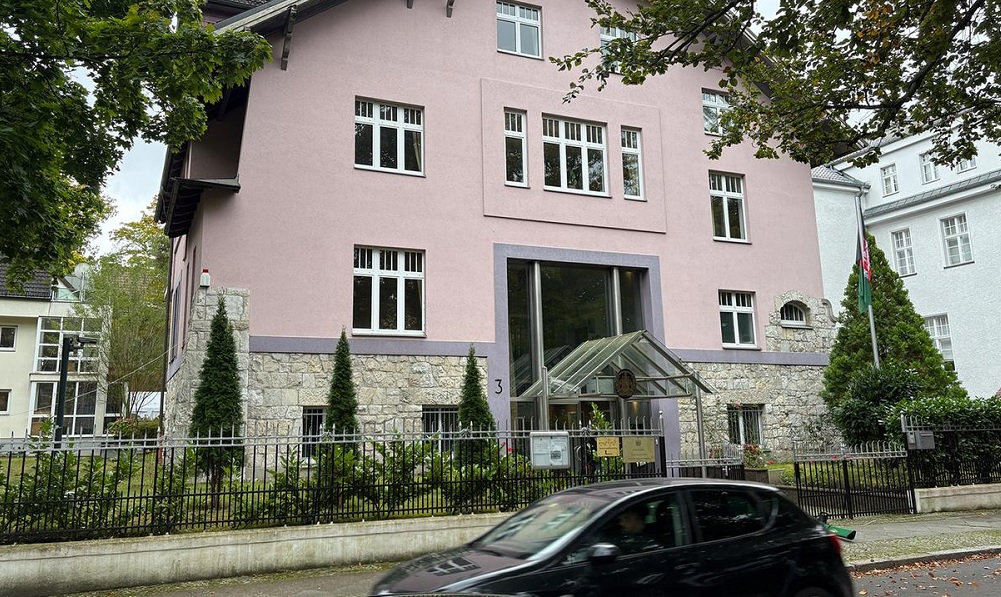
Germany was not informed of the appointment of a new Afghan diplomat in Berlin, according to a report by public broadcaster ARD, raising fresh questions about the Islamic Emirate’s expanding control over overseas missions.
The report states that an IEA-linked official has assumed the role of chargé d’affaires at Afghanistan’s embassy in Berlin without prior approval from the German government. Under the 1961 Vienna Convention on Diplomatic Relations, host countries must consent to such diplomatic appointments.
Germany does not formally recognize the IEA government, which returned to power in August 2021 following the withdrawal of US and NATO forces.
Undisclosed leadership role
According to ARD, the official—identified as Nebrasul H.—arrived in Berlin in July last year as a junior consular staff member, a position approved by German authorities. However, documents obtained by the broadcaster suggest he was also quietly appointed to lead the embassy.
He is reportedly acting as chargé d’affaires, effectively heading the mission and liaising directly with Afghanistan’s Foreign Ministry in Kabul.
The move highlights the IEA’s efforts to consolidate authority over Afghan diplomatic missions abroad, despite lacking broad international recognition.
Berlin ‘not notified’
Germany’s Foreign Ministry said it had received “no notification of any personnel changes” at Afghan diplomatic missions in the country.
Berlin has consistently maintained that Afghan embassies should remain under representatives appointed by the former government of Ashraf Ghani, which was ousted in 2021.
Previous envoy sidelined
The report also claims that the previous head of mission, Abdul P., has been stripped of his authority and reduced to a largely symbolic role. He was originally appointed under the Ghani administration.
Despite being sidelined, he remains in Berlin, reportedly continuing to live in the ambassador’s residence and retaining diplomatic privileges.
Wider diplomatic shift
In a related development, ARD reported that another Afghan official who arrived alongside Nebrasul H. has assumed a leadership role at the Afghan consulate in Bonn, also without formal recognition from German authorities.
The developments suggest a broader strategy by the IEA to assert control over Afghanistan’s diplomatic presence in Europe, even in countries that do not officially recognize its rule.


Pakistani military violates Afghanistan ceasefire again

IEA allegedly appoints envoy to Berlin embassy ‘without Germany’s approval’

Tahawol: Pakistan’s efforts to destabilise Afghanistan

Saar: Decline in international assistance to Afghanistan

Afghanistan secures third place at 2026 World Kokpar Championship

Pakistani military jet downed in Afghanistan’s Jalalabad, pilot captured alive

Afghan Air Force conducts airstrikes in Islamabad, other cities

Prominent Muslim scholar issues fatwa calling for Afghanistan-Pakistan ceasefire

Afghan air force strikes key Pakistani military installations in retaliatory operation

IEA: Special circle in Pakistan has launched mission to destabilize region
Tahawol: Pakistan’s efforts to destabilise Afghanistan
Saar: Decline in international assistance to Afghanistan

Tawsia: Assessment of Afghanistan’s economic activities in 1404

Tahawol: Temporary ceasefire draws broad support

Saar: Emphasis on resolving conflicts through diplomacy
-
 Latest News4 days ago
Pakistan opposes normal Afghanistan–India relations: Shaheen
-
 Latest News4 days ago
IEA announces temporary pause in defensive operations against Pakistan for Eid
-
 Sport5 days ago
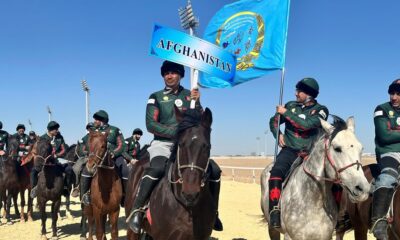
Afghanistan national buzkashi team defeats Hungary 14–0
-
 Latest News4 days ago
Karzai accuses Pakistan of seeking to destabilise Afghanistan after Kabul strike
-
 Latest News3 days ago
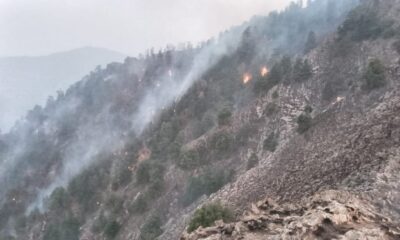
Pakistani shelling hits Kunar districts despite ‘pause in hostility’ over Eid
-
 Latest News5 days ago
WHO Chief urges Kabul and Islamabad to prioritize peace
-
 Regional5 days ago
Israel’s Katz says Iran’s security chief killed, Tehran strikes Gulf neighbours
-
 Regional4 days ago
Iran strikes Tel Aviv with cluster warheads in retaliation for killing of security chief