
Latest News
US sets 2027 deadline for Europe-led NATO defense, officials say
Some officials on Capitol Hill are aware of and concerned about the Pentagon’s message to the Europeans, one U.S. official said.

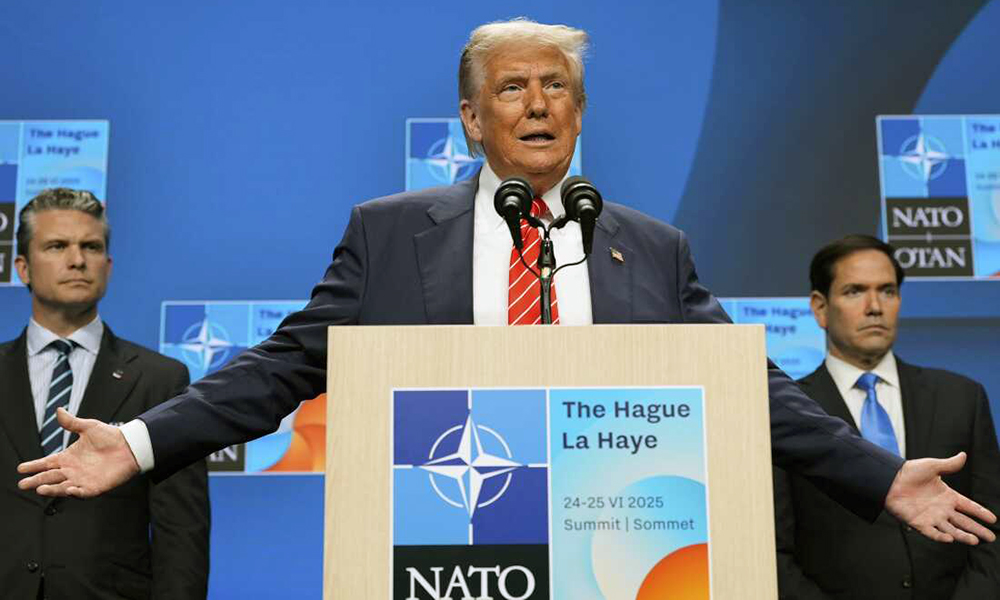
The United States wants Europe to take over the majority of NATO’s conventional defense capabilities, from intelligence to missiles, by 2027, Pentagon officials told diplomats in Washington this week, a tight deadline that struck some European officials as unrealistic, Reuters reported.
The message, recounted by five sources familiar with the discussion, including a U.S. official, was conveyed at a meeting in Washington this week of Pentagon staff overseeing NATO policy and several European delegations.
The shifting of this burden from the U.S. to European members of the North Atlantic Treaty Organization would dramatically change how the United States, a founding member of the post-war alliance, works with its most important military partners.
In the meeting, Pentagon officials indicated that Washington was not yet satisfied with the strides Europe has made to boost its defense capabilities since Russia’s expanded invasion of Ukraine in 2022.
The U.S. officials told their counterparts that if Europe does not meet the 2027 deadline, the U.S. may stop participating in some NATO defense coordination mechanisms, said the sources, who requested anonymity to discuss private conversations.
Some officials on Capitol Hill are aware of and concerned about the Pentagon’s message to the Europeans, one U.S. official said.
Conventional defense capabilities include non-nuclear assets from troops to weapons and the officials did not explain how the U.S. would measure Europe’s progress toward shouldering most of the burden, read the report.
It was also not clear if the 2027 deadline represented the Trump administration position or only the views of some Pentagon officials. There are significant disagreements in Washington over the military role the U.S. should play in Europe.
Several European officials said that a 2027 deadline was not realistic no matter how Washington measures progress, since Europe needs more than money and political will to replace certain U.S. capabilities in the short term.
Among other challenges, NATO allies face production backlogs for military equipment they are trying to purchase. While U.S. officials have encouraged Europe to buy more U.S.-made materiel, some of the most prized U.S.-made weapons and defense systems would take years to be delivered if ordered today.
The U.S. also contributes capabilities that cannot simply be purchased, like unique intelligence, surveillance and reconnaissance that have proven key to the Ukrainian war effort.
Asked for comment, a NATO official speaking for the alliance said European allies had begun taking more responsibility for the continent’s security, but did not comment on the 2027 deadline.
“Allies have recognized the need to invest more in defense and shift the burden on conventional defense” from the U.S. to Europe, the official said.
The White House did not immediately respond to requests for comment.
Pentagon press secretary Kingsley Wilson said: “We’ve been very clear in the need for Europeans to lead in the conventional defense of Europe. We are committed to working through NATO coordination mechanisms to strengthen the alliance and ensure its long-term viability as European allies increasingly take on responsibility for conventional deterrence and defense in Europe.”
European nations have broadly accepted U.S. President Donald Trump’s demand they take more responsibility for their own security and have pledged big increases in defense spending, Reuters reported.
The European Union has set a target of making the continent ready to defend itself by 2030 and says it must fill gaps in its air defenses, drones, cyber warfare capabilities, munitions and other areas. Officials and analysts said even that deadline is highly ambitious.
The Trump administration has consistently argued that European allies need to contribute more to the NATO alliance, but it’s not always clear where the president stands on NATO.
On the campaign trail in 2024, Trump frequently bashed European allies, and he said he would encourage Russian President Vladimir Putin to invade NATO countries that did not spend their fair share on defense.
But at the annual NATO leaders’ summit in June, Trump effusively praised European leaders for agreeing to a U.S. plan to boost the annual defense spending target for member states to 5% of gross domestic product.
In the months since, Trump has vacillated between a harder line on Russia – the bloc’s main opponent – and, more recently, a willingness to negotiate with Moscow over the Ukraine conflict. European officials have complained that they were largely cut out of those negotiations, read the report.
At a meeting of NATO foreign ministers this week, U.S. Deputy Secretary of State Christopher Landau said it was “obvious” NATO allies should take responsibility for Europe’s defense.
“Successive US Administrations have been saying this in one form or another pretty much my whole life…but our Administration means what it says,” Landau wrote on X.





Latest News
UN warns of possible surge in Afghan returnees from Iran
Deputy UNHCR spokesperson Faramarz Barzin said the organization is closely monitoring the situation while prioritizing the protection of vulnerable returnees.
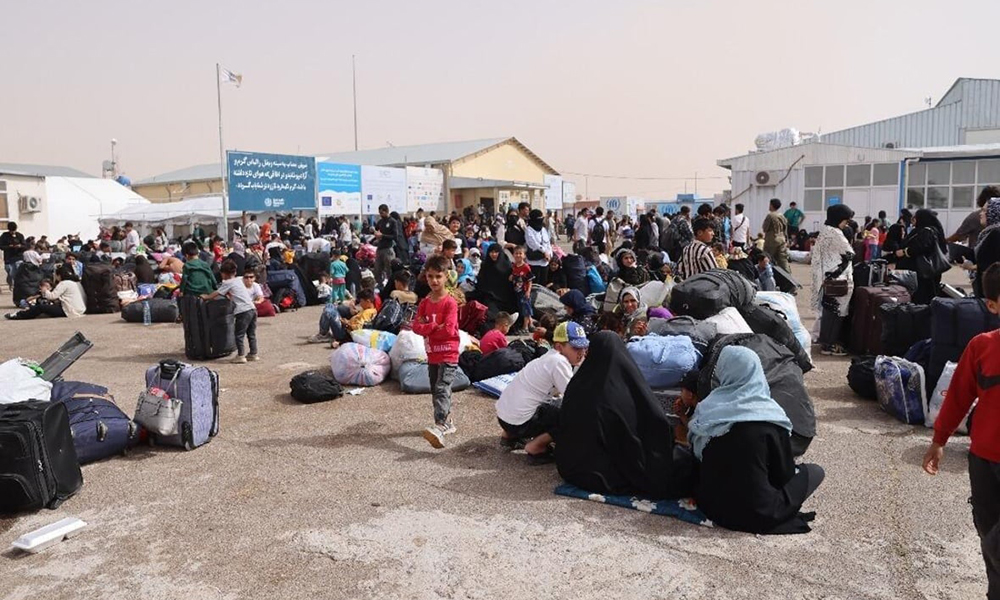
The United Nations has expressed concern over a potential increase in Afghan migrants returning from Iran, warning that many could face heightened vulnerability upon arrival in Afghanistan.
The United Nations High Commissioner for Refugees (UNHCR) said its primary concern remains the safety and protection of Afghan returnees, particularly as regional tensions continue to affect migrant communities.
According to the agency, there has not yet been a significant rise in the number of Afghans returning from Iran despite ongoing instability and conflict in the wider region. However, UNHCR said it is preparing for the possibility of a sudden influx.
The agency noted that contingency measures are already being put in place at key border crossings, including Islam Qala, to ensure that humanitarian assistance can be delivered quickly if return numbers increase.
UNHCR said it is currently providing a range of support services for Afghans returning from Iran, including cash assistance, protection services, temporary shelter, healthcare and registration.
Deputy UNHCR spokesperson Faramarz Barzin said the organization is closely monitoring the situation while prioritizing the protection of vulnerable returnees.
“Our primary concern continues to be the safety and protection of Afghan returnees, who are particularly vulnerable under the current circumstances,” Barzin said.
“Although we have not yet observed a significant increase in returns from Iran, UNHCR is actively preparing for the possibility of a rise in arrivals.”
He added that precautionary measures are already underway at major border crossings, particularly at Islam Qala, to ensure rapid assistance if the number of returnees grows.
The warning comes as humanitarian organizations report continued forced or pressured returns of Afghan migrants from both Iran and Pakistan, a trend that could further strain Afghanistan’s already fragile humanitarian situation.
UNHCR said it is working closely with international partners to monitor developments and adapt its response to meet the needs of vulnerable groups, including women, children and people at heightened risk.
Many Afghan migrants return under pressure from host countries or due to fears linked to regional tensions. Once back in Afghanistan, many face significant challenges, including poverty, unemployment and a lack of adequate housing.
Latest News
Malaysian Red Crescent urges respect for humanitarian law in Middle East conflicts
MRCS National Chairman Tan Sri Tunku Puteri Intan Safinaz Sultan Abdul Halim Mu’adzam Shah stressed the importance of allowing humanitarian organizations to operate without obstruction.
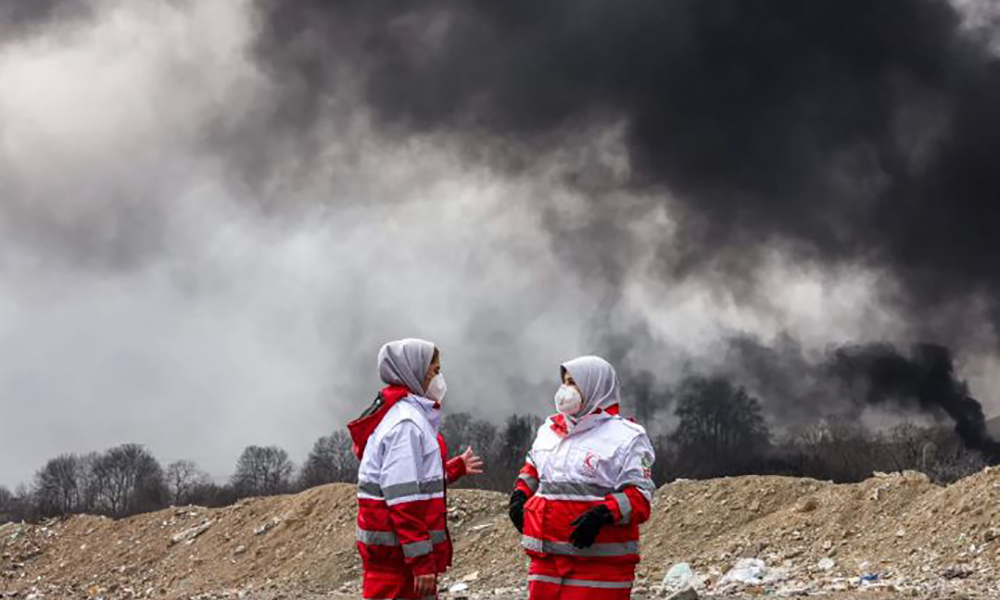
The Malaysian Red Crescent Society (MRCS) has called on all parties involved in conflicts across the Middle East and in rising tensions between Afghanistan and Pakistan to respect international humanitarian law and ensure the protection of civilians and aid workers.
In a statement issued in Kuala Lumpur, the organization warned that escalating military operations risk worsening the humanitarian situation for vulnerable communities already affected by violence and instability.
MRCS echoed concerns raised by the International Committee of the Red Cross (ICRC), which has cautioned that increased hostilities pose a serious threat to civilians caught in conflict zones.
The society reminded all parties of their obligations under international humanitarian law to safeguard non-combatants, medical workers, and essential infrastructure such as hospitals and health facilities.
Red Cross and Red Crescent teams continue to provide humanitarian assistance in affected areas wherever access is possible.
Their work includes delivering emergency medical care, supporting communities in crisis, and strengthening local preparedness for further humanitarian challenges.
The International Federation of Red Cross and Red Crescent Societies (IFRC) is also coordinating with national societies across the region to monitor urgent humanitarian needs and support relief operations.
MRCS National Chairman Tan Sri Tunku Puteri Intan Safinaz Sultan Abdul Halim Mu’adzam Shah stressed the importance of allowing humanitarian organizations to operate without obstruction.
“Our thoughts and prayers are with all those affected by this conflict,” she said in the statement.
She urged all parties to respect international humanitarian law, protect civilians, and allow humanitarian teams to deliver urgently needed assistance without interference.
MRCS also emphasized that civilians, humanitarian personnel, public infrastructure, and the Red Cross and Red Crescent emblem must be respected and protected at all times under international law.
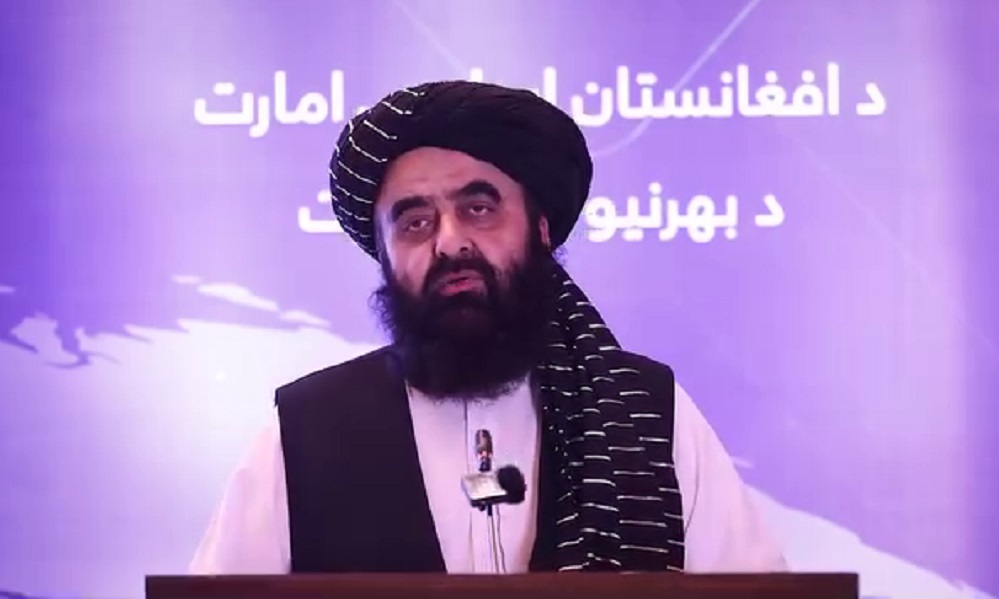
Amir Khan Muttaqi, the Foreign Minister of the Islamic Emirate of Afghanistan, says Pakistan’s military leadership is attempting to impose its demands through pressure, but the Afghan people will not yield.
Speaking on Sunday at an iftar gathering for ambassadors of several countries in Kabul, Muttaqi said Pakistan has “very ruthlessly” expelled Afghan migrants, blocked trade routes, violated Afghanistan’s sovereignty, and launched propaganda against the country in international meetings.
He stressed, however, that “the people of Afghanistan have never surrendered to pressure throughout history and will not hesitate to make any sacrifice for the freedom of their country.”
Pakistani officials have repeatedly claimed that attacks inside Pakistan are carried out by militants operating from Afghanistan, particularly members of the Tehreek-e-Taliban Pakistan (TTP).
Muttaqi said the TTP is not a new phenomenon and that the group emerged years before the Islamic Emirate’s return to power, due to specific underlying factors.
“Instead of addressing their internal challenges, Pakistani generals have put the security of the entire region at risk,” he said.
According to Muttaqi, Pakistan’s military leadership is in conflict with the country’s politicians, religious scholars, and its people, and is attempting to resolve issues through confrontation and pressure rather than dialogue. He warned that such pressure would only strengthen resistance.
The foreign minister also referred to the ongoing conflict in the Middle East, stressing that the sovereignty of states must be respected and that disputes should be resolved through diplomacy.


Tahawol: International Reactions to Iran’s Newly Appointed Leader

UN warns of possible surge in Afghan returnees from Iran

Saar: UN Security Council Meeting on Afghanistan discussed

Malaysian Red Crescent urges respect for humanitarian law in Middle East conflicts

Muttaqi urges Pakistan to reconsider its calculations

Pakistani military jet downed in Afghanistan’s Jalalabad, pilot captured alive

Afghan Air Force conducts airstrikes in Islamabad, other cities

IEA releases three Pakistani soldiers to mark Ramadan

Afghanistan’s Chief of Armed Forces underscores readiness and equipment for national defense

Afghanistan welcomes investment and technology partnerships with India
Tahawol: International Reactions to Iran’s Newly Appointed Leader
Saar: UN Security Council Meeting on Afghanistan discussed

Tahawol: Iran’s war with America and Israel discussed

Saar: Key Daesh member killed in Pakistan

Tahawol: Upcoming UNSC meeting on Afghanistan discussed
-

 Latest News3 days ago
Prominent Muslim scholar issues fatwa calling for Afghanistan-Pakistan ceasefire
-

 Business3 days ago
Afghanistan steps in to replace Iran in supplying fruits and vegetables to Russia
-

 Business5 days ago
Ministry of Public Works: Railway transport operating smoothly across all ports
-

 Sport4 days ago
ACB names squads for white-ball series against Sri Lanka; Ibrahim Zadran appointed T20I captain
-
 Latest News2 days ago
International Women’s Day: Khalilzad urges IEA to allow girls’ education
-

 Regional5 days ago
Iranian sailors recovering in Sri Lankan hospital after US submarine attack
-
 Latest News4 days ago
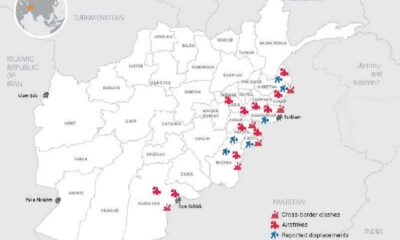
Airstrikes and clashes displace thousands as Afghanistan–Pakistan tensions escalate: UN
-

 Latest News2 days ago
Afghanistan’s Virtue Ministry: Over 3,400 women’s rights complaints addressed in 10 months