
Health
Millions of Afghan children inoculated against measles, polio in nationwide campaign

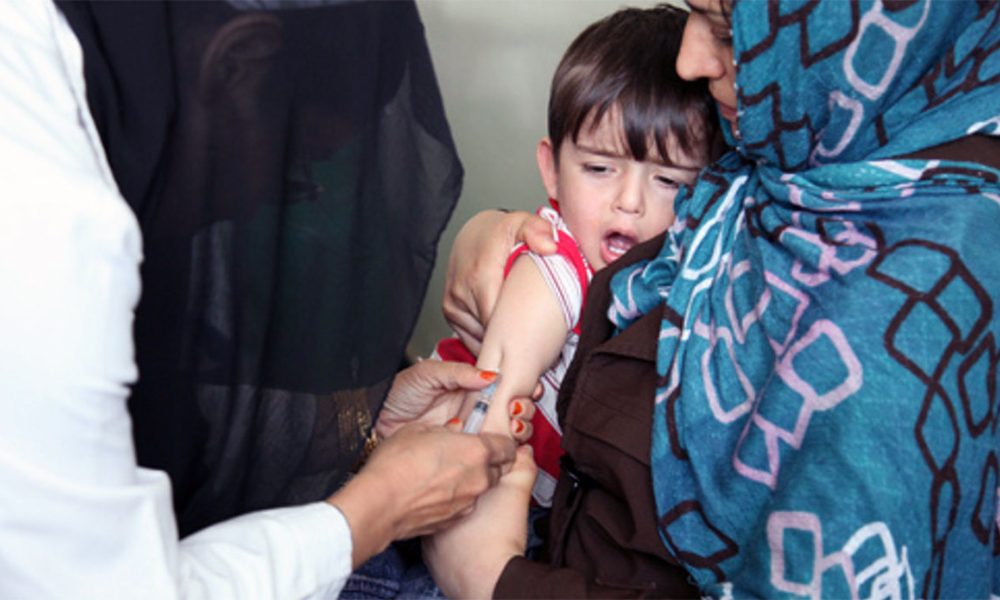
Millions of Afghan children have been vaccinated during the first nationwide integrated measles and polio campaign in Afghanistan since the Islamic Emirate of Afghanistan (IEA) came to power in August 2021, the World Health Organization (WHO) said Thursday.
Afghanistan has vaccinated 5.36 million nine- to 59-month old children against measles while 6.1 million infants to 59-month-olds received oral polio vaccine during the vaccination drive held from 26 November to 12 December.
Based on the data from Afghanistan’s Ministry of Public Health Expanded Programme on Immunization, the campaign covered 329 districts in all 34 provinces of the country – with 4,341 vaccination teams of four members on each team.
“It warms my heart that we were able to protect Afghan children from measles and polio as we enter the harsh winter season in the country”, said Luo Dapeng, the World Health Organization Representative in Afghanistan.
“I thank all the health workers, partners and donors who made this possible”.
Measles is a dangerous disease, with complications that can include severe diarrhea and dehydration; pneumonia, ear and eye complications; encephalitis or swelling of the brain; and death.
This year, many outbreaks were reported in Afghanistan, mostly among children under age five.
There is no specific treatment for measles and the only reliable protection from measles is vaccination.
“While measles is highly contagious, it is also a preventable disease”, said Dapeng. “We must not lose the decades of progress we have achieved in immunizing and protecting Afghan children”.
As of November, 5,484 cases were confirmed, with approximately 300 deaths attributed to measles infection.
Prior to the nationwide drive, a series of subnational measles immunization campaigns were conducted in 141 districts covering approximately three million children.
“The measles vaccine is safe and has been in use for more than 50 years”, the senior WHO official said.
“The benefits of vaccination are clear, as evidence shows measles vaccination saved over 23 million lives worldwide over the past 20-year period”.
WHO and the UN Children’s Fund (UNICEF) supported the measles campaign in Afghanistan with vaccine procurement and delivery and the development of immunization guidelines and communication materials.
The UN agencies also helped to build the capacity of health workers to manage and implement the drive and ensure that all eligible children are protected through safe and effective vaccines for measles and polio, WHO reported.





Health
Kandahar Red Crescent: More than 3,000 mental health patients treated in five years
Doctors said patients considered a serious danger to society are kept at the center on a permanent basis and receive regular treatment.
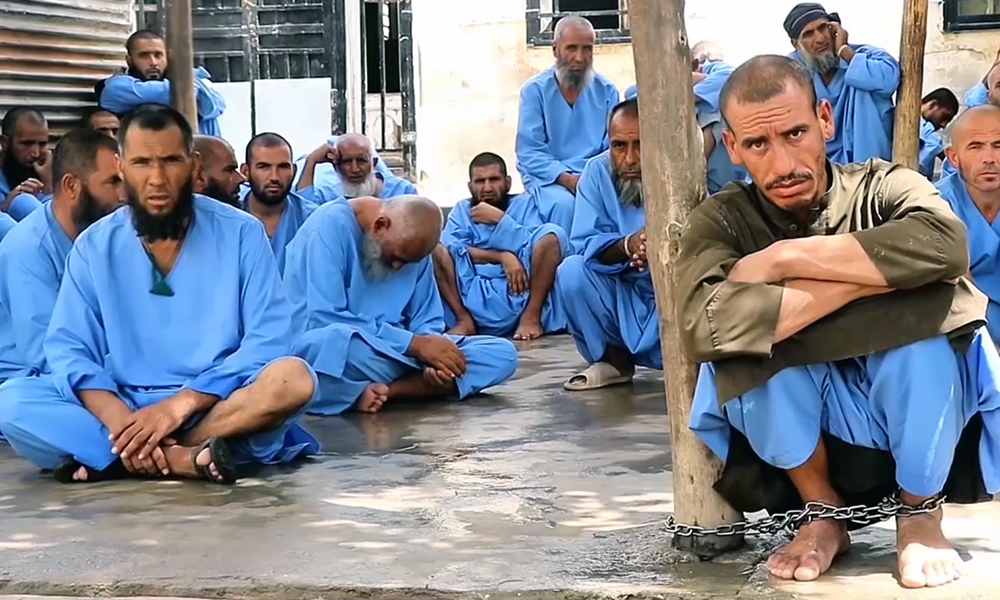
The Kandahar branch of the Afghan Red Crescent Society says more than 3,000 mental health patients, including men and women, have received treatment at home across southern Afghanistan over the past five years.
Officials said 405 patients were also treated at the Afghan Red Crescent’s mental health treatment center in Kandahar and returned to their homes. The center is the only facility in southern Afghanistan providing treatment to mental health patients from the region.
According to officials, during the past five years, 1,936 male and 1,331 female mental health patients received treatment at their homes.
Currently, 158 patients, including men and women who pose a risk to themselves or others, are being kept and treated at the center, while treatment for another 804 patients is continuing at their homes.
Doctors said patients considered a serious danger to society are kept at the center on a permanent basis and receive regular treatment.
Meanwhile, some patients who were previously brought to the center in poor condition are now recovering and have expressed satisfaction with the services they have received.
The development comes as officials from the Red Crescent’s southern regional branch say mental health problems linked to poverty and family difficulties are increasing.
Despite the challenges, they said efforts are underway to expand mental health services so that more patients can receive treatment.
Health
Health minister visits Belarus to expand medical cooperation
Belarusian Deputy Health Minister welcomed Jalali and his delegation, describing the visit as an important step toward strengthening health cooperation between Afghanistan and Belarus.
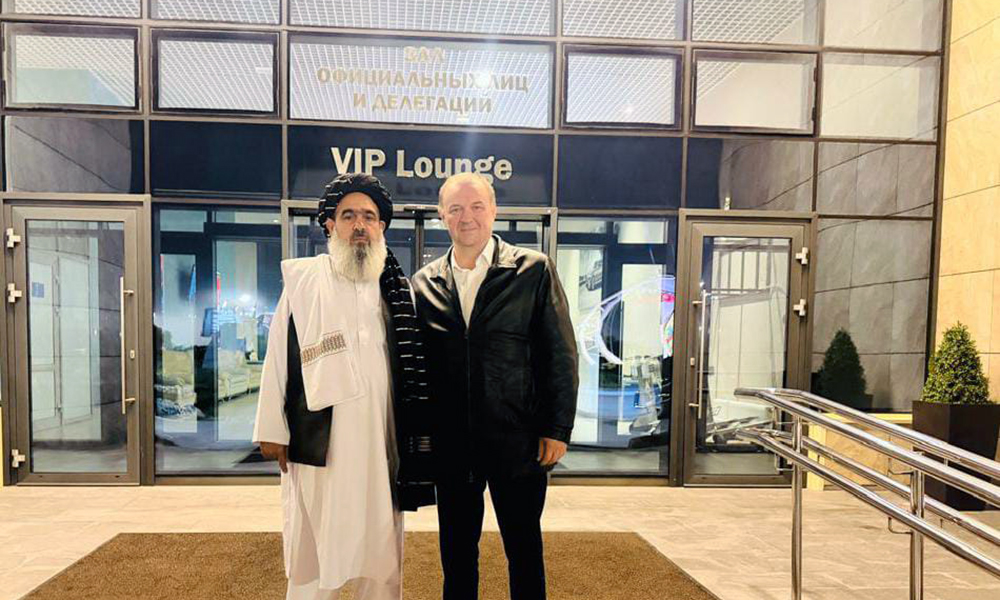
Afghanistan’s Minister of Public Health, Noor Jalal Jalali, has travelled to Belarus at the head of a delegation to strengthen health cooperation and exchange medical expertise between the two countries.
According to Afghanistan’s Ministry of Public Health, the visit will focus on expanding bilateral cooperation, reviewing Belarus’s healthcare institutions and sharing experience in medical services and specialized healthcare.
Belarusian Deputy Health Minister Barys Andrasyuk welcomed Jalali and his delegation, describing the visit as an important step toward strengthening health cooperation between Afghanistan and Belarus.
During the visit, Jalali is expected to meet with senior officials at Belarus’s Ministry of Health and visit several medical and research institutions, including the Belarusian State Medical University, a state pharmaceutical production company, specialized cardiac and oncology centers, the Republican Centre for Hygiene and Epidemiology, and an emergency clinical hospital.
The two sides are also expected to discuss cooperation in medical education, healthcare services, pharmaceutical production and specialized treatment, as well as opportunities to expand technical exchanges.
The visit comes as Afghanistan seeks to expand international cooperation in the health sector and improve access to medical expertise, training and pharmaceutical resources.
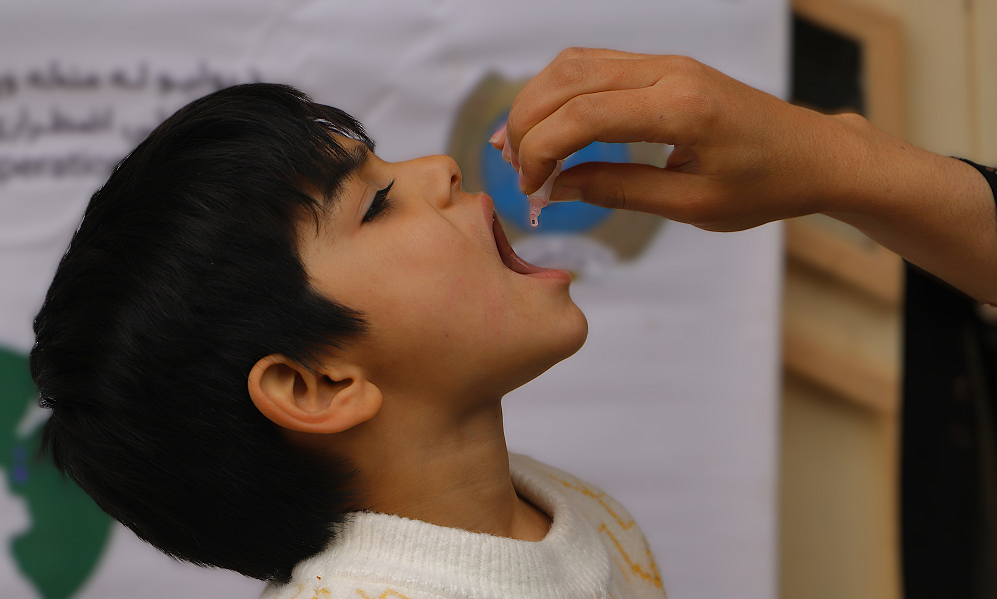
A nationwide polio vaccination campaign got underway across Afghanistan on Monday.
The four-day campaign aims to vaccinate around 12.77 million children under the age of five against polio.
Officials said the campaign is aimed at strengthening protection for children against polio and preventing the spread of the virus.
However, in the southern zone of the country, the polio vaccination campaign will begin one day later, on Tuesday, to ensure better implementation.
According to the information provided, Afghanistan has conducted one nationwide and two sub-national polio vaccination campaigns so far this year. The current campaign is the fourth of the year. In addition, localized campaigns and public awareness programs have also been carried out.
Officials said some environmental samples linked to the polio virus have tested positive. However, the Ministry of Public Health has not so far confirmed any human cases of polio.
According to officials, investigations into suspected cases are ongoing, and information on confirmed human cases will be shared once the assessments are completed and sufficient evidence is available.


Tahawol: Improvement in Afghanistan-China relations discussed

Saar: Expanding ties with regional and global countries discussed

Abu Muslim Farah beat Omar Zawak Herat 4-0 in Afghanistan Champions League

ACB launches nationwide fast-bowling talent hunt

US extends Qatar camp stay for more than 1,000 Afghans

Saudi energy group signs major Afghanistan deals covering gas exploration and pipeline plans

Iranian clubs to face Gulf opponents at neutral venues in Asian Champions League Elite

Khalilzad: Afghanistan ready to attract major investment

Ariana Television Network secures exclusive rights to Afghanistan’s 2026/27 cricket series

Pakistan, Saudi Arabia and Türkiye strengthen new Mecca Defence Alliance
Tahawol: Improvement in Afghanistan-China relations discussed
Saar: Expanding ties with regional and global countries discussed

Tahawol: Absence of Afghanistan’s envoy at UNGA discussed

Saar: Assessment of war between Afghanistan and US discussed

Saar: Afghanistan’s image at UNGA
-

 Sport4 days ago
Afghan bodybuilder Ali Bilal finishes runner-up at Mr Olympia for third straight year
-
 Latest News4 days ago
Afghanistan says 28 killed, 32 captured in Nuristan operation
-
 World4 days ago
Trump rejects Iranian proposal to open Hormuz and end fighting
-
 Sport5 days ago
Afghanistan to face India in Asian Games cricket quarter-final
-

 Sport4 days ago
Afghanistan Champions League: Omar Zawak Herat beat Toofan Herat 1-0
-
 World5 days ago
Iran awaits US move after WSJ report says Trump rejects peace plan
-

 Latest News5 days ago
Khalilzad questions Pakistan’s commitment to Afghan welfare
-
 Latest News4 days ago
UNDP, UN Women launch financing initiative for Afghan women entrepreneurs