
Latest News
Afghanistan’s DABS outlines causes of power outages and unveils long-term energy strategy
For the current fiscal year, DABS has earmarked AFN 47 billion for network development, including new substations, while overall investment in power-generation sources has surpassed $719 million.

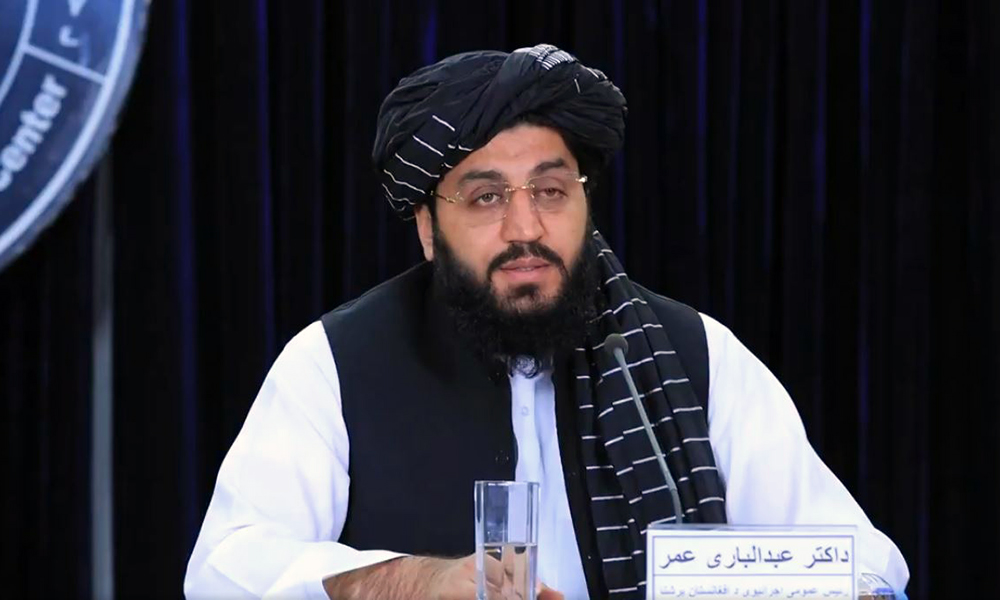
Afghanistan’s national power utility, Da Afghanistan Breshna Sherkat (DABS), has outlined the key factors behind the country’s recurring electricity outages and presented its broader plan to strengthen and modernize the energy sector.
Speaking at a press conference on Tuesday, DABS CEO Abdul Bari Omar said rising power cuts in Kabul and several provinces are primarily driven by three developments.
The three factors, according to him are the large-scale return of Afghan refugees;
the rapid expansion of industrial and residential zones; and increasingly high electricity consumption among citizens.
Omar noted that Afghanistan’s power grid, much of which was built according to outdated and low technical standards, is no longer capable of meeting current demand. He stressed the need for stronger energy management and closer cooperation between the public and government institutions to stabilize the network.
Compounding the pressure, drought has reduced water levels in the country’s hydroelectric reservoirs, temporarily lowering domestic power generation.
Looking ahead, Omar said Afghanistan will require at least a decade to generate and distribute 20,000 MW of household electricity reliably.
For the current fiscal year, DABS has earmarked AFN 47 billion for network development, including new substations, while overall investment in power-generation sources has surpassed $719 million.
He added that the company is working not only on new power plants and grid expansion, but also on modernizing its operations. A fully electronic customer service system is expected to launch soon.
Omar also announced that Afghanistan has, for the first time, begun producing clean electricity from wind energy. Solar and gas-based power projects are advancing rapidly as part of a broader push toward sustainable and diversified energy sources.
The initiatives reflect a comprehensive national effort to expand electricity access, improve service delivery, and build a more resilient and environmentally responsible energy infrastructure.



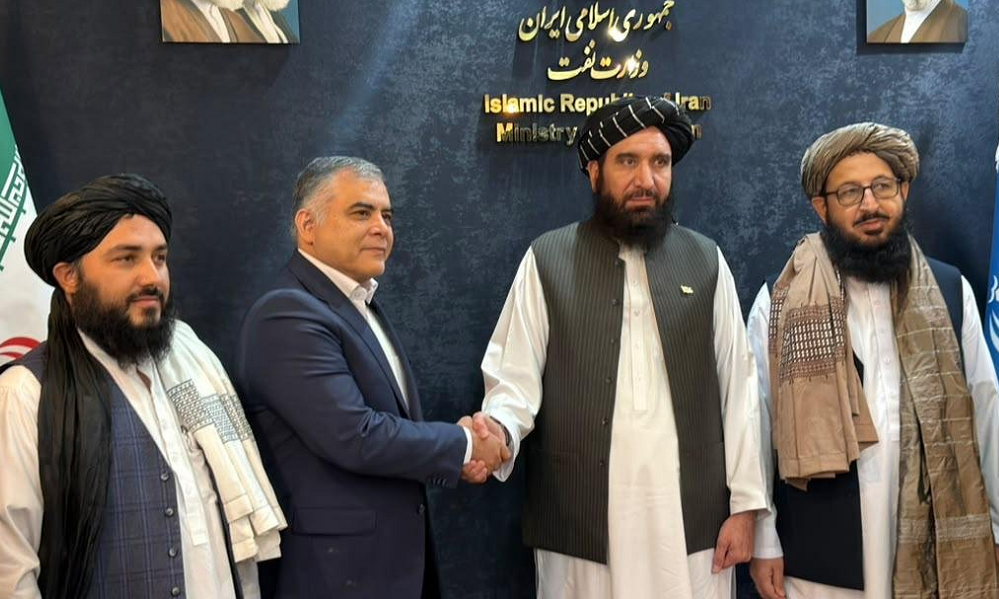
Ahmad Jan Bilal, General Director of State-Owned Corporations, met with Iran’s Oil Minister Mohsen Paknejad during a visit to Iran to discuss expanding cooperation in the oil and gas sector.
Bilal, accompanied by Mohammad Nasir Rahimi, chief executive of the Afghan state-owned Oil and Gas Corporation, held talks with the Iranian minister on supplying Afghanistan with its oil and gas needs, technical and vocational training, and joint cooperation in oil and gas exploration.
Bilal and his delegation also visited the Iranian Oil Ministry’s research center and oil refineries in Tehran, where they reviewed the facilities’ technical and professional activities and capabilities.
The Iranian side expressed readiness for comprehensive cooperation, necessary coordination and implementation of joint projects in the areas discussed.
At the end of the meeting, both sides introduced joint technical teams tasked with coordinating and following up on the necessary measures to implement the agreed areas of cooperation.
Latest News
Afghanistan condemns mosque attack in Khyber Pakhtunkhwa
At least 16 people were killed and 57 others injured in the blast in Kohat on Friday.
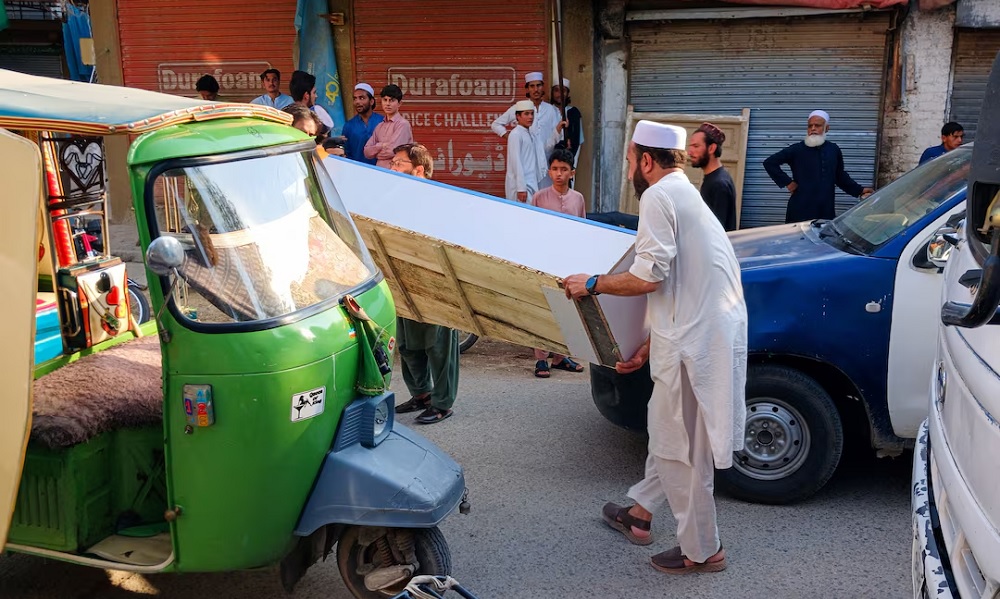
Afghanistan’s Ministry of Foreign Affairs has strongly condemned an attack on a mosque in Kohat city in Khyber Pakhtunkhwa province during Friday prayers.
In a statement issued on Saturday, the ministry’s spokesman described attacks on places of worship as “unjustifiable and condemnable.”
The ministry also expressed sympathy with the families of those killed and injured in the incident.
At least 16 people were killed and 57 others injured in the blast in Kohat on Friday.
No individual or group has so far claimed responsibility for the attack.
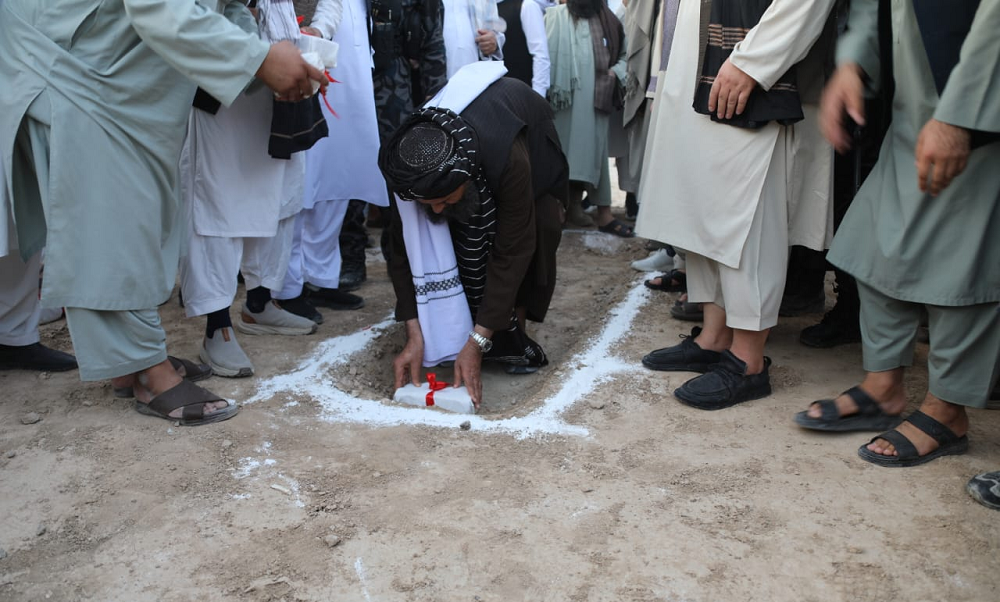
Mullah Abdul Ghani Baradar, Deputy Prime Minister for Economic Affairs, on Friday laid the foundation stone for the Imam Shaqiq Balkhi Industrial Township at the Hairatan Two-Way intersection in Balkh province.
Speaking at the ceremony, Baradar said the Islamic Emirate’s priority is to gradually transform Afghanistan into a productive country and turn its young population into a productive workforce.
He said efforts are also underway to connect industries, production and markets and make Afghan products available in regional and international markets.
Baradar described the Balkh industrial township as a practical demonstration of the Islamic Emirate’s commitment to developing an industrial and productive economy.
According to Baradar, the project will help address the shortage of industrial land in Balkh, create opportunities for businesses, reduce dependence on imports and provide jobs for thousands of people.
He said Balkh is one of Afghanistan’s key commercial, transit and industrial provinces and called for the Hairatan port and transport route to play a greater role in exports.
“Hairatan should not only be a route for imported goods and regular traffic,” Baradar said, adding that it should become an important transit corridor for exporting Afghanistan’s processed and manufactured products.
Baradar also called on the international community to expand formal economic relations with Afghanistan and remove financial and banking restrictions.
He said the Islamic Emirate has both the capacity and determination to participate in regional and global economic partnerships.
At the ceremony, Baradar urged industrialists to invest in different sectors within the new township and said the government would provide the necessary facilities and cooperation.
The Balkh Industrial Township will be developed on 22,000 jeribs of land. It is expected to provide space for businesses involved in processing raw materials, manufacturing standardized products and exporting finished goods.


Abu Muslim Farah and Ariana Khost play out goalless draw in ACL

ACL season six: Aino Mina and Omar Zawak play out 1–1 draw

Iran executes man convicted of spying for Israel’s Mossad, judiciary says

Afghan official meets Iranian oil minister to discuss energy cooperation

Afghanistan condemns mosque attack in Khyber Pakhtunkhwa

Four mediators struggle to secure lasting Pakistan-Afghanistan ceasefire

Syria and Saudi Arabia condemn Kabul bombing, express solidarity with Afghanistan

Afghanistan’s trade diversification challenges Pakistan

Saudi energy group signs major Afghanistan deals covering gas exploration and pipeline plans

ATN secures exclusive rights to broadcast T20I series in India across Afghanistan

Debate on Afghanistan and New Investment Opportunities

Tahawol: Reasons behind Qatari, Turkish security officials’ Kabul visit discussed

Saar: Outcome of UN Security Council meeting on Afghanistan discussed

Tahawol: Afghanistan’s readiness for US relations discussed

Saar: UN Security Council meeting on Afghanistan discussed
-
 Latest News3 days ago
UN warns of mounting humanitarian and human rights pressures in Afghanistan
-
 Sport5 days ago
ACL: Abu Muslim Farah 4-0 Istiqlal Kabul; Omar Zawak 3-1 Sarsabz Yashlar
-
 Regional3 days ago
Saudi Arabia calls alleged Mecca attack a ‘red line’ as Houthis deny involvement
-
 Latest News4 days ago
UNICEF expands aid to millions of Afghan children after flash floods
-

 World5 days ago
North Korea’s Kim vows to expand ties with Russia, backs victory in ‘sacred war’
-
 Latest News5 days ago
Kyrgyz, Afghan foreign ministers discuss expanding trade and investment ties
-
 Latest News4 days ago
Petition filed in Islamabad High Court against PMDC directive affecting Afghan students
-
 Latest News3 days ago
Five Years On: IEA touts economic growth despite international isolation