
Latest News
US reviews green cards from 19 countries; Suspends Afghan-related processing
In a parallel move, DHS has frozen Afghan immigration cases and is reviewing asylum approvals granted under the Biden Administration.

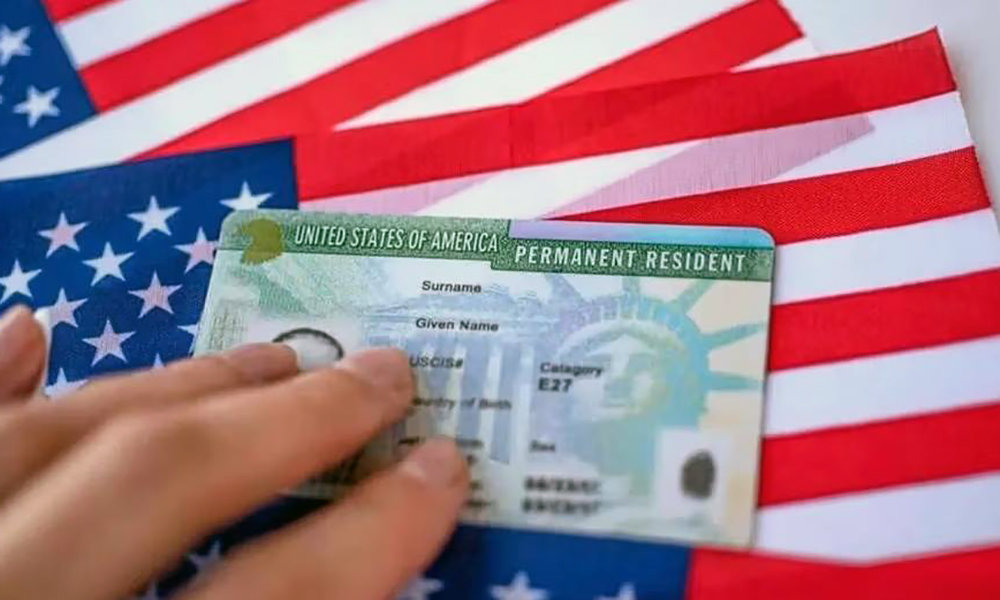
The U.S. Citizenship and Immigration Services (USCIS) has initiated a sweeping review of green cards issued to individuals from 19 “countries of concern,” while the Department of Homeland Security (DHS) has indefinitely halted the processing of Afghan-related immigration requests.
USCIS Director Joe Edlow confirmed on X that the agency will re-examine all permanent resident cards granted to nationals of the 19 countries listed in President Donald Trump’s June Presidential Proclamation.
The countries include Afghanistan, Iran, Libya, Somalia, Yemen, Venezuela, Myanmar, and others where U.S. officials say document verification and security assessments remain challenging.
Edlow said the review will evaluate “negative, country-specific factors,” including the credibility and reliability of identity documents produced by these nations.
In a parallel move, DHS has frozen Afghan immigration cases and is reviewing asylum approvals granted under the Biden Administration.
Trump has framed the policy as part of a broader effort to “permanently pause migration from all Third World Countries,” revoke federal benefits for noncitizens, and increase denaturalization actions against individuals deemed security risks.
Supporters of the administration’s approach argue that heightened scrutiny is necessary for national security. Critics, however, warn that the measures could trigger mass delays, denials, and potential revocations of legal status for thousands of residents and applicants.
The new rules, implemented immediately on November 27, will significantly increase immigration screening for nationals of the 19 designated countries.
Employers with foreign staff from these regions have been advised to closely monitor the immigration status of affected employees, as the policy shift may lead to prolonged uncertainty and additional compliance challenges.





Hamdullah Fitrat, Deputy Spokesperson for the Islamic Emirate of Afghanistan, has strongly rejected the repeated allegations by Pakistani officials that Afghanistan is involved in insecurity in Pakistan, saying that creating or supporting insecurity in Pakistan is not in Afghanistan’s interests.
In a statement published on his account, Fitrat said that whenever Pakistani officials are unable to ensure security in their own country, they blame Afghanistan for incidents in an attempt to mislead public opinion.
According to Fitrat, Afghanistan neither has the necessary means to create insecurity in other countries nor would it benefit from such actions, as insecurity in Pakistan also harms Afghanistan economically, socially and in humanitarian terms.
The deputy spokesperson added that instead of focusing on their own security responsibilities, Pakistani officials wrongly blame Afghanistan and spend resources on plans aimed at destabilizing the country.
Fitrat described this approach as a way of evading core responsibilities, destabilizing the region and wasting economic resources. He further said that this misguided stance has distracted Pakistan’s security forces from their primary duties.
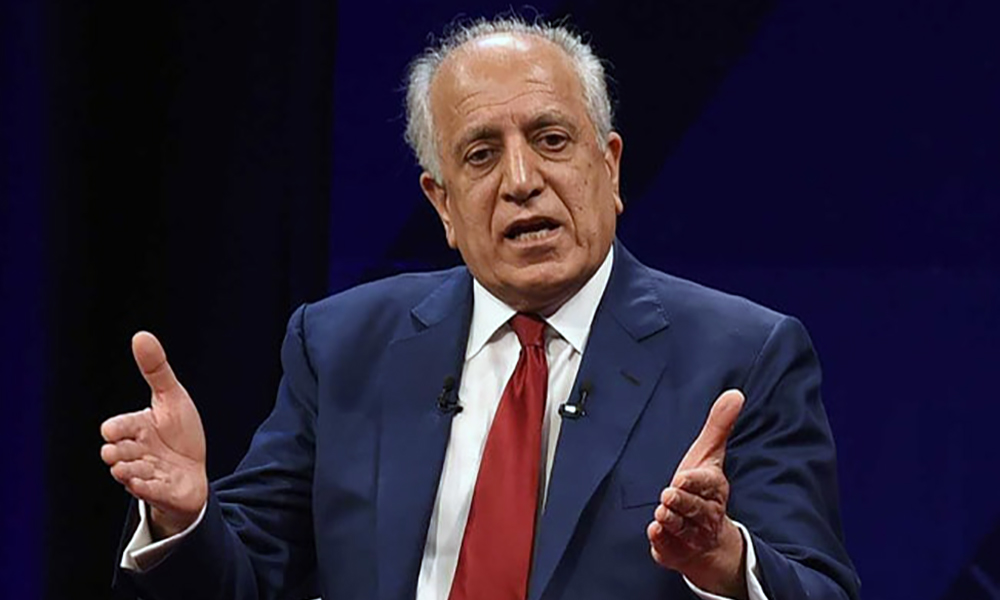
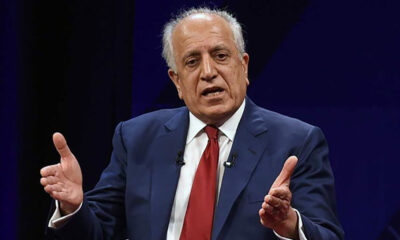
Zalmay Khalilzad, the former U.S. special representative for Afghanistan, has warned that relations between Afghanistan and Pakistan could deteriorate further amid reports of alleged Pakistani recruitment and arming of Afghans.
In a statement, Khalilzad said there had been numerous reports alleging that Pakistan was arming Afghans to fight the Taliban in Afghanistan. He added that new reports suggested the Pakistani military was recruiting Afghans to fight anti-Pakistan insurgents.
He cautioned that, given the current situation, ties between Kabul and Islamabad were likely to worsen significantly.
Khalilzad’s remarks come amid ongoing tensions between the two neighboring countries.
Latest News
UNICEF urges continued efforts for polio-free Afghanistan
According to the World Health Organization, 42 cases of wild poliovirus type 1 have been recorded in Afghanistan this year.
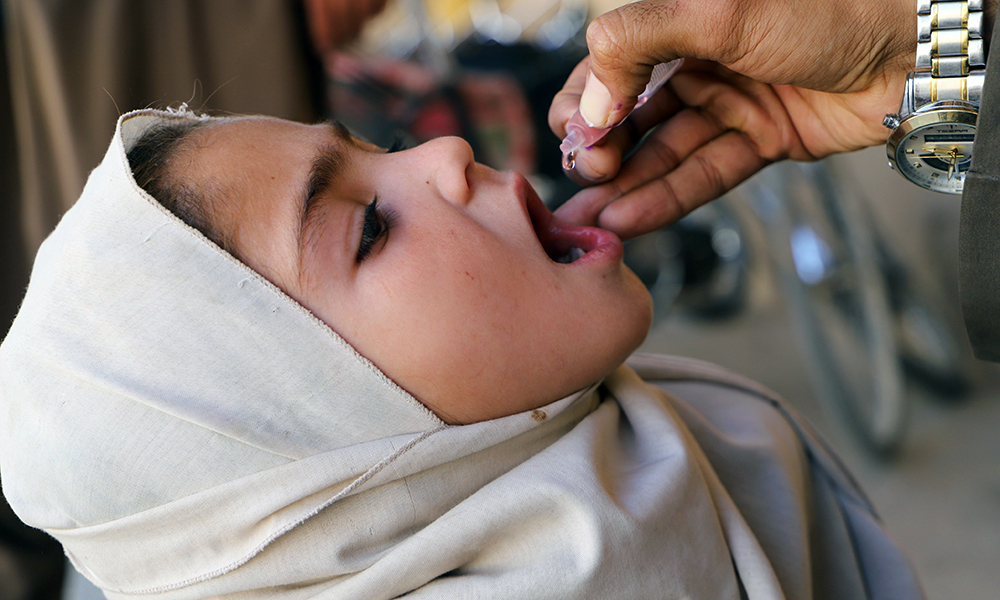
UNICEF Afghanistan has highlighted the importance of continued national efforts to eradicate polio and vaccinate every child, as the country marks World Polio Day on October 24.
In a message posted on X, UNICEF Afghanistan said the day provides an opportunity to highlight national efforts towards a polio-free Afghanistan and honour frontline workers who work tirelessly to end the disease and ensure every child is vaccinated.
Meanwhile, Afghanistan’s Polio-Free initiative warned on Thursday, October 22, that the presence of the poliovirus in any area could threaten the health of children across the country. The initiative urged the public to cooperate with vaccination campaigns and ensure that no child is left without the vaccine.
The warning comes as polio remains a public health concern in Afghanistan, with the United Nations reporting multiple cases of the disease. According to the World Health Organization, 42 cases of wild poliovirus type 1 have been recorded in Afghanistan this year, while six cases have been reported in neighbouring Pakistan.

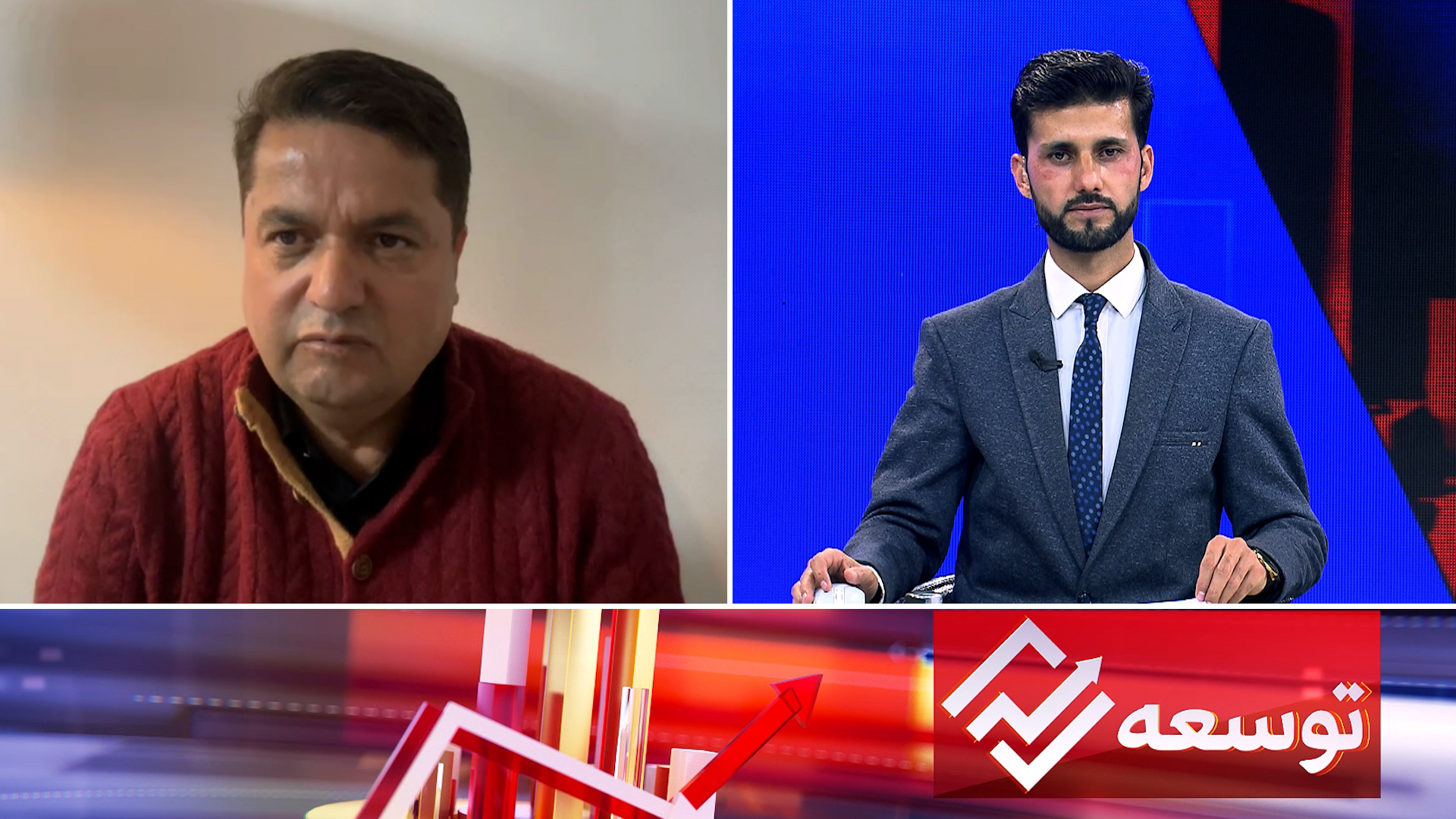
Tawsia: New opportunities in Afghanistan’s energy, trade and agriculture sectors discussed

IEA rejects Pakistan’s allegations linking Afghanistan to insecurity

Exclusive interview with Ali Bilal, runner-up in Mr. Olympia Men’s Physique category

Khalilzad warns of worsening relations between Afghanistan and Pakistan

IMF forecasts 1.3 percent regional economic contraction in 2026

Cricket Bonanza: Afghanistan set for packed international schedule

Afghanistan says 28 killed, 32 captured in Nuristan operation

Afghanistan on climate front line as Kabul faces groundwater warning

ACB announces Afghanistan squads for Bangladesh, Zimbabwe series

Trump rejects Iranian proposal to open Hormuz and end fighting
Tawsia: New opportunities in Afghanistan’s energy, trade and agriculture sectors discussed
Exclusive interview with Ali Bilal, runner-up in Mr. Olympia Men’s Physique category

Tahawol: Doha meeting and Afghanistan’s political and economic future discussed

Saar: Concerns over expansion of conflict between Iran and US discussed

Governments warn citizens over security risks in France after riots
-
 World4 days ago
Violent protests spread across Europe as Albanian PM blames ‘foreign hand’
-

 Sport5 days ago
Afghanistan finish runners-up after 6-0 defeat to Brazil in futsal final
-
 Business4 days ago
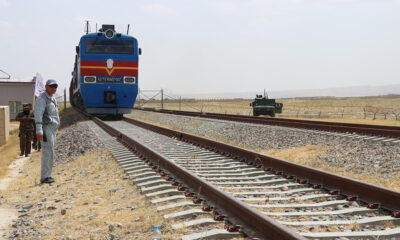
Iran calls for extending Herat railway to Uzbekistan border
-
 Latest News3 days ago
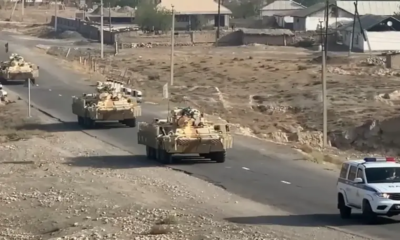
Russian troops arrive in Uzbekistan for joint military exercises
-

 World5 days ago
Trump endorses Netanyahu in close Israeli election
-
 Latest News3 days ago
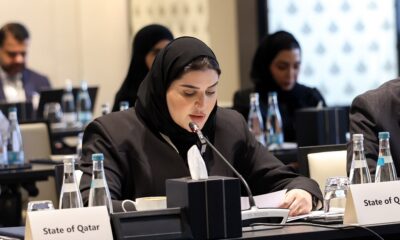
Qatar calls for shift from humanitarian aid to economic recovery in Afghanistan
-
 Latest News1 day ago
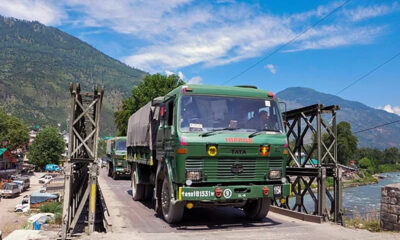
Afghanistan’s new Wakhan road to China faces major hurdles
-
 World2 days ago
Governments warn citizens over security risks in France after riots