
Business
Afghan banks to finance Herat–Mazar railway project

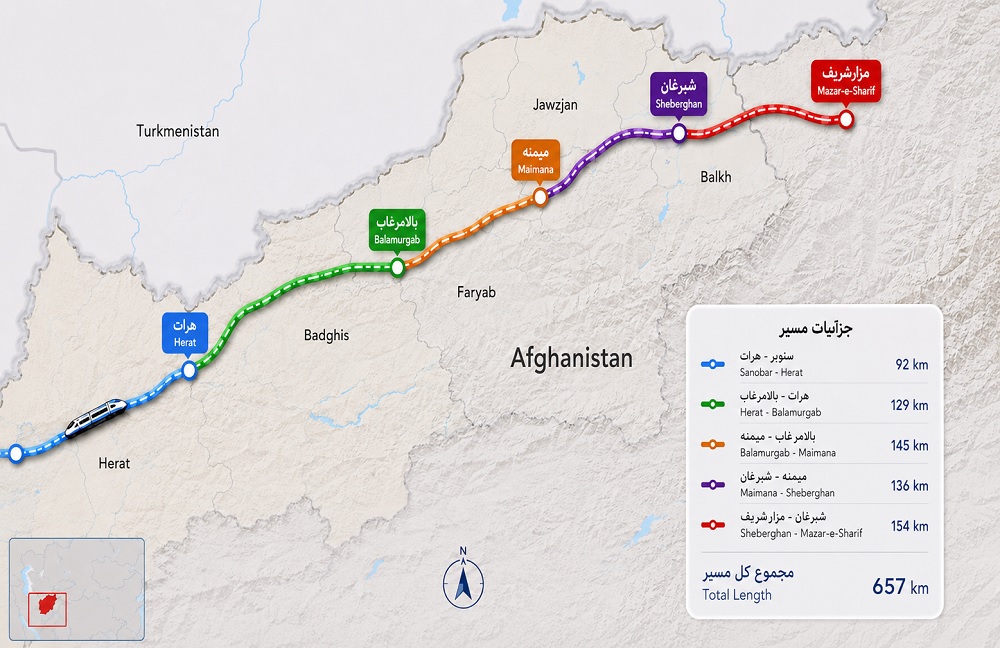
Afghanistan’s central bank has announced that commercial banks will participate in financing the planned Herat–Mazar-e-Sharif railway project, a major infrastructure initiative estimated to cost nearly 55 billion afghanis ($780 million).
The announcement came during a joint meeting between officials from Da Afghanistan Bank, the Ministry of Finance and representatives of commercial banks, chaired by First Deputy Governor of Da Afghanistan Bank, Sediqullah Khalid.
According to the central bank, a financing mechanism for national development projects has recently been finalized in coordination with the Economic Deputy Office of the Prime Minister and the Ministry of Finance, creating a framework for commercial banks to invest directly in large-scale infrastructure projects.
Khalid said the banking sector could play a significant role in strengthening the national economy and accelerating the implementation of development projects through domestic investment.
He noted that discussions during the meeting focused on the Herat–Mazar-e-Sharif railway project, which is expected to stretch 657 kilometers across Afghanistan. The project is intended to boost economic growth, expand trade links and improve regional connectivity.
Khalid also said improved security conditions in the country have created a favorable environment for implementing major infrastructure projects, adding that the central bank would provide the necessary support and facilities to encourage private-sector participation.
Representatives of commercial banks expressed readiness to invest in the railway project, describing participation in national development initiatives as both an opportunity and a responsibility to contribute to Afghanistan’s economic growth.



Business
Iran moves to ease export barriers to Afghanistan, Pakistan and Iraq
If implemented, the proposals could help address some of the obstacles facing Iranian exporters trading with neighboring markets, including Afghanistan.
Iran is reviewing measures to remove barriers to exports to neighboring countries, including Afghanistan, Pakistan and Iraq, as part of efforts to support exporters facing transportation and logistics challenges, a senior Iranian Foreign Ministry official said.
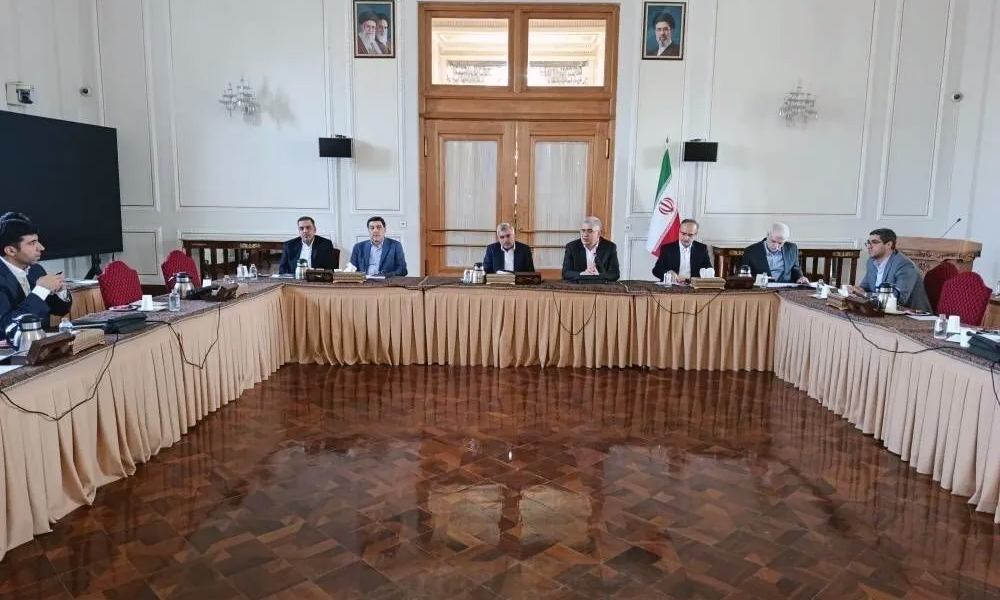
Hamid Ghanbari, Iran’s deputy foreign minister for economic diplomacy, announced the proposals following the 12th meeting of the Economic Relations Coordination Headquarters, which focused on trade diplomacy and non-oil exports.
The meeting, held at the Iranian Foreign Ministry on Saturday, brought together economic deputies from government agencies to discuss exporters’ challenges and coordinate practical solutions.
Ghanbari said disruptions to transportation and logistics had prevented some exporters from fulfilling their obligations. In other cases, exporters who had received foreign currency to import raw materials were unable to complete their purchases because of difficulties along transportation routes.
To address these challenges, Iranian authorities have proposed revising existing procedures and regulations governing exporters’ obligations. Ghanbari said the proposed measures had received approval from relevant government agencies.
Iran Seeks to Facilitate Regional Trade
The Iranian official also highlighted proposals to resolve problems affecting exports to neighboring countries, particularly Afghanistan, Pakistan and Iraq.
He said the proposals could be pursued through negotiations with foreign counterparts, with Iran’s embassies and consulates expected to follow up on the relevant issues.
The initiative comes as Iran seeks to maintain its export flows and strengthen regional trade links despite ongoing economic and logistical challenges.
Ghanbari expressed hope that the measures would help preserve existing export markets, improve the targeting of shipments and support further growth in Iran’s non-oil exports.
However, the specific measures for Afghanistan, Pakistan and Iraq, as well as the timeline for their implementation, have not yet been announced.
If implemented, the proposals could help address some of the obstacles facing Iranian exporters trading with neighboring markets, including Afghanistan.
Business
Turkmenistan targets 80 billion cubic meters of gas production in 2026
The pipeline is designed to transport natural gas from Turkmenistan through Afghanistan to Pakistan and India, creating a potential source of energy supplies for the region.
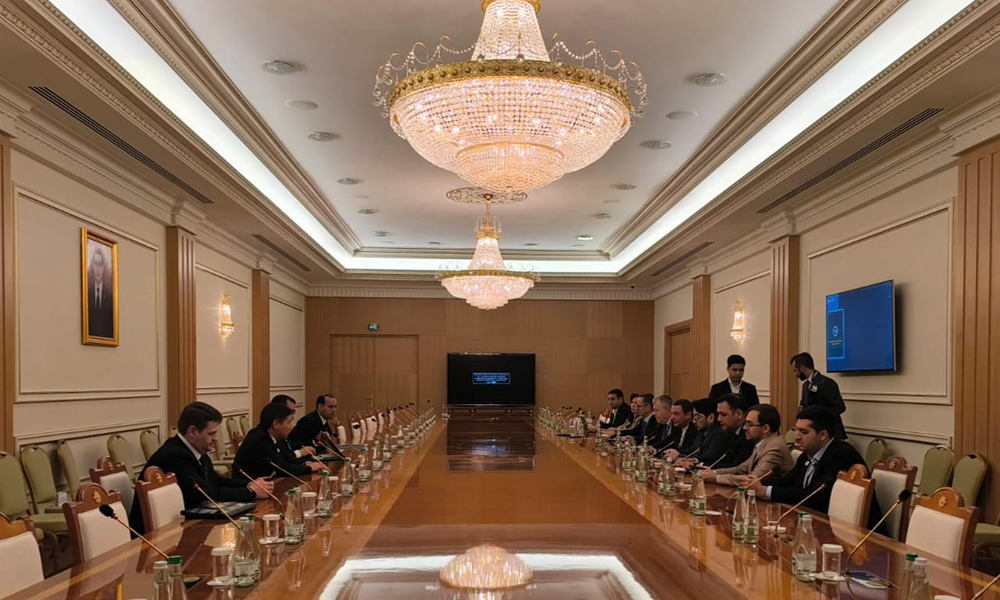
Turkmenistan plans to produce around 80 billion cubic meters of natural gas in 2026, while targeting the start of gas deliveries to Afghanistan through the Turkmenistan-Afghanistan-Pakistan-India (TAPI) pipeline by mid-2027, according to Turkmen officials.
Maksat Babayev, Turkmenistan’s minister of state and chairman of Turkmengaz, announced the production target at a press conference in Ashgabat on Friday, following the 31st International Conference and Exhibition “Oil and Gas of Turkmenistan” (OGT 2026), Trend News Agency reported.
Officials expect gas production to remain at around 80 billion cubic meters in 2027. Turkmenistan currently supplies approximately 40 billion cubic meters of gas to China and Uzbekistan.
The country also plans to increase oil production to eight million metric tons in 2026, up from 7.5 million metric tons last year.
TAPI Pipeline Deliveries Targeted for 2027
Turkmen officials said construction of the Serhetabat-Herat section of the TAPI pipeline is expected to be completed by the end of 2026, with gas deliveries to Afghanistan scheduled to begin by mid-2027. The timeline will partly depend on the readiness of the Afghan side.
The pipeline is designed to transport natural gas from Turkmenistan through Afghanistan to Pakistan and India, creating a potential source of energy supplies for the region.
Turkmenistan Seeks to Expand Gas Exports
Turkmenistan is also exploring the Trans-Caspian gas supply route and plans to expand production capacity through further development of the Galkynysh gas field.
Meanwhile, seven companies, including firms from Austria, Germany and Türkiye, have submitted bids to develop underground natural gas storage facilities. Officials said the evaluation process is nearing completion.
Turkmen officials also reported a 40% increase in participation at OGT 2026 compared with the previous year, with around 700 international delegates from 75 countries attending the event.
Business
IMF forecasts 1.3 percent regional economic contraction in 2026
However, it said the region’s economies could recover in 2027 if the conflict eases in early 2027 and regional trade gradually returns to normal.
The International Monetary Fund (IMF) has projected a 1.3 percent economic contraction across the Middle East, North Africa, Afghanistan and Pakistan in 2026, citing the economic impact of the U.S.-Israeli conflict with Iran.
In its Regional Economic Outlook report released Thursday in Dubai, the United Arab Emirates, the IMF revised its forecast downward by about three percentage points compared with its April projection.
The fund said disruptions to energy production, shipping, trade and tourism caused by the conflict are expected to weigh on regional economic activity.
According to the report, all Gulf Cooperation Council member states, except Oman, are projected to experience economic contractions this year. Bahrain, Kuwait and Qatar are expected to record double-digit declines in economic output.
The IMF warned that the regional economic outlook remains highly uncertain. However, it said the region’s economies could recover in 2027 if the conflict eases in early 2027 and regional trade gradually returns to normal.

Afghanistan opium ban shifts cultivation to Pakistan and Iran, experts warn

Fazalhaq Farooqi leads record-breaking spending at ILT20 Season 5 auction
Tahawol: Ukraine war and ongoing peace efforts
Saar: Obama’s remarks on Iran war
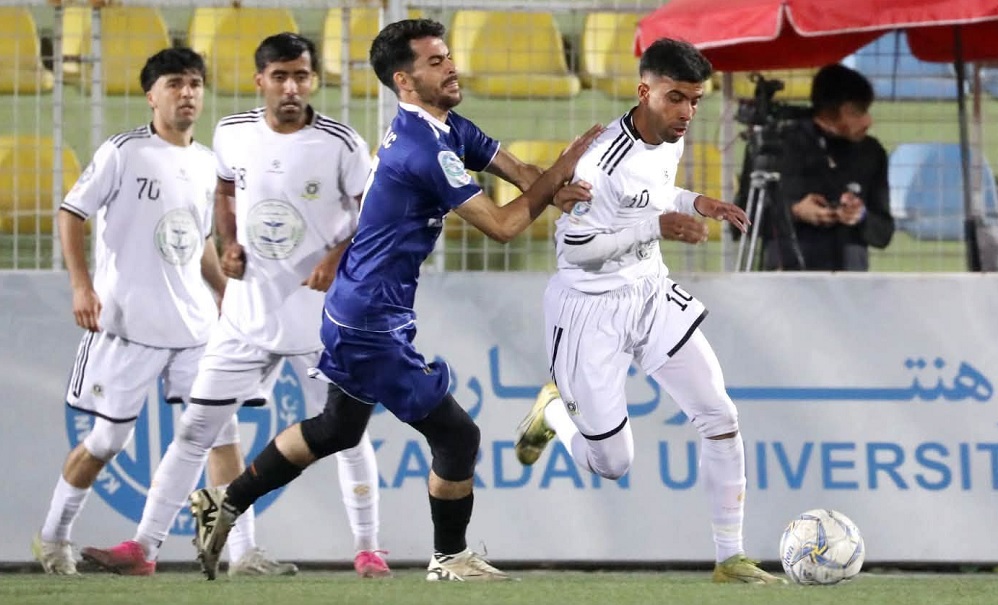
Aino Mina edge Omar Zawak 5-4 in Afghanistan Champions League

Cricket Bonanza: Afghanistan set for packed international schedule

Afghanistan on climate front line as Kabul faces groundwater warning

Afghanistan says 28 killed, 32 captured in Nuristan operation

ACB announces Afghanistan squads for Bangladesh, Zimbabwe series

Trump rejects Iranian proposal to open Hormuz and end fighting
Tahawol: Ukraine war and ongoing peace efforts
Saar: Obama’s remarks on Iran war
Tahawol: UN’s role in tackling global crises discsused
Saar: Pakistan’s blame on Kabul for its own failures discussed
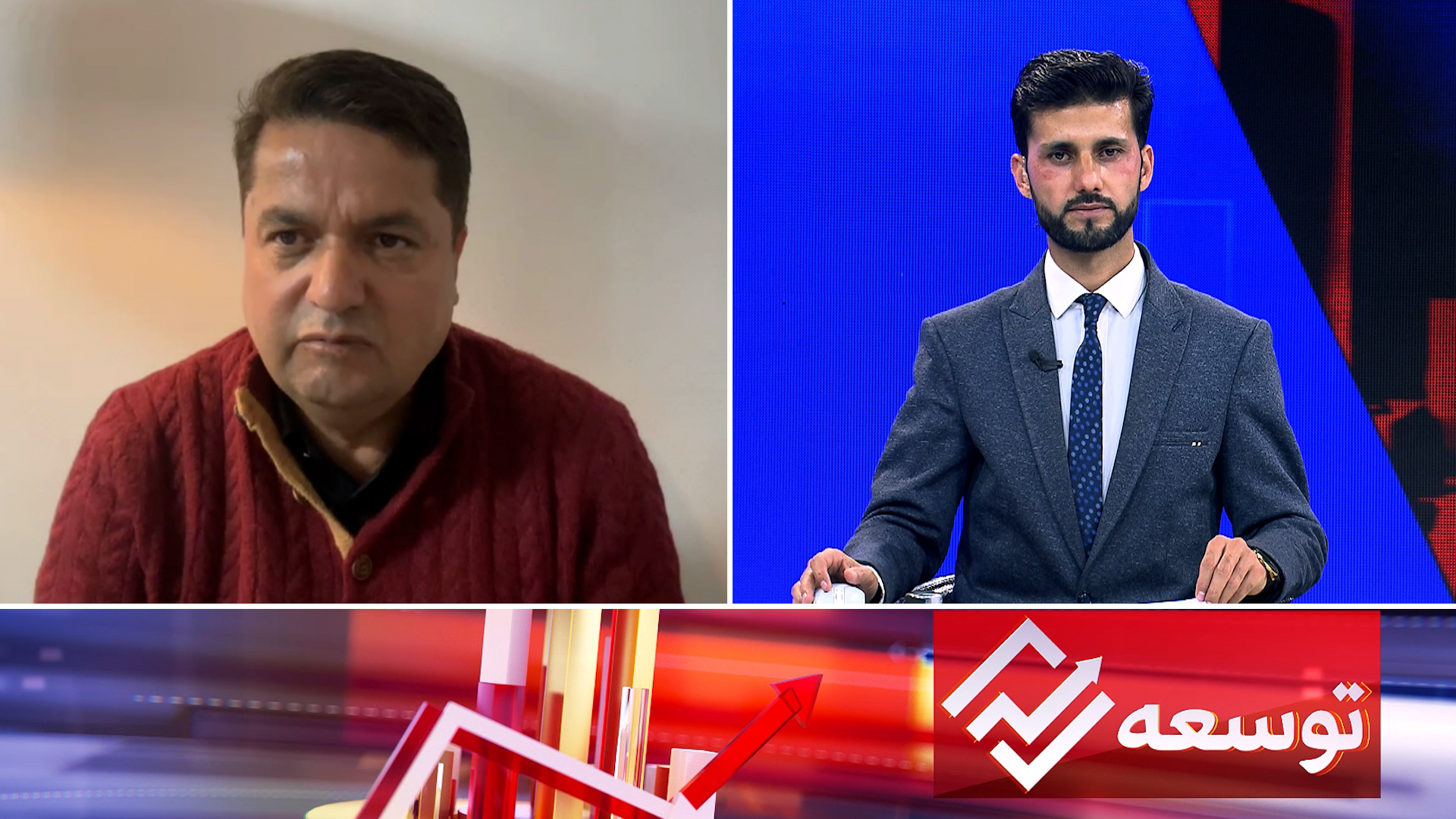
Tawsia: New opportunities in Afghanistan’s energy, trade and agriculture sectors discussed
-
 Latest News4 days ago
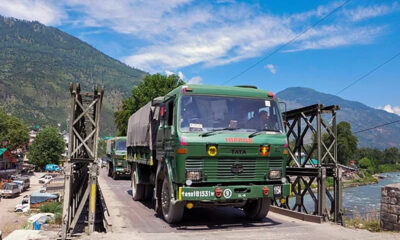
Afghanistan’s new Wakhan road to China faces major hurdles
-

 Science & Technology4 days ago
Governments take websites offline as critical cyber flaws trigger global alert
-

 World5 days ago
Governments warn citizens over security risks in France after riots
-
 Latest News4 days ago
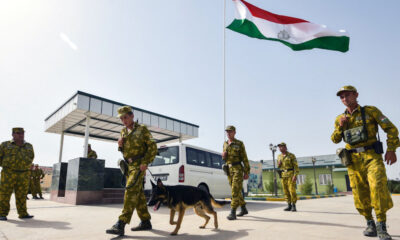
CSTO to supply Tajikistan with weapons to strengthen Afghan border
-
 Latest News4 days ago
Russia to expand security and defence cooperation with Afghanistan
-
 Business3 days ago
Pakistan exporters suffer billions in losses as Afghanistan trade halt continues
-
 Latest News2 days ago
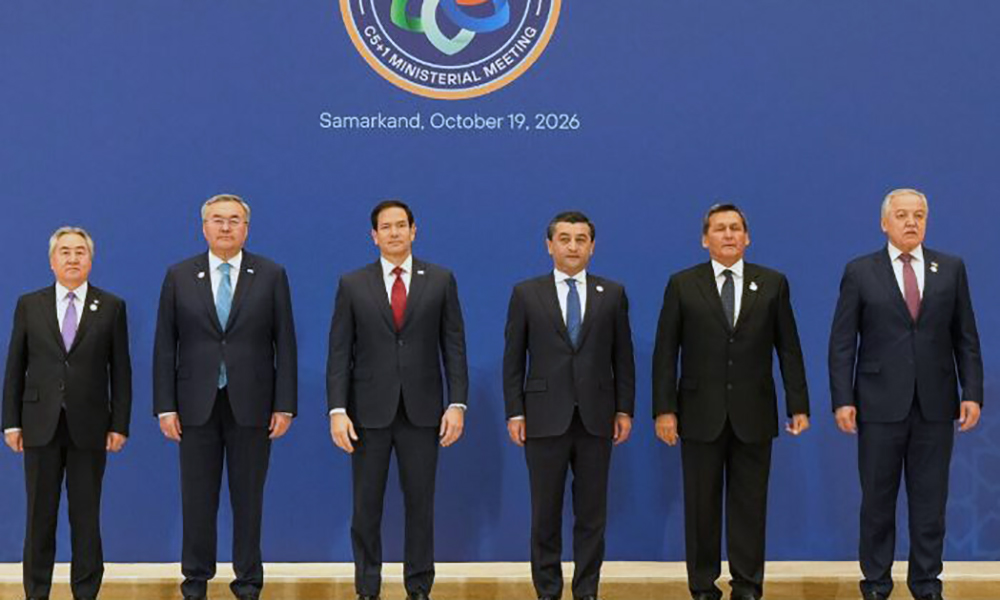
US Central Asia strategy faces challenges linked to Afghanistan’s political and security situation
-

 Business3 days ago
IMF forecasts 1.3 percent regional economic contraction in 2026