
Latest News
Aid shortages deepen as Afghanistan feels impact of Hormuz disruptions
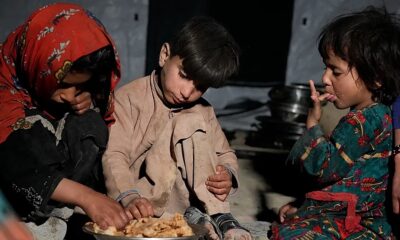
According to WFP, an additional 2.3 million people in Afghanistan have been pushed into acute hunger since the crisis began nearly 100 days ago.

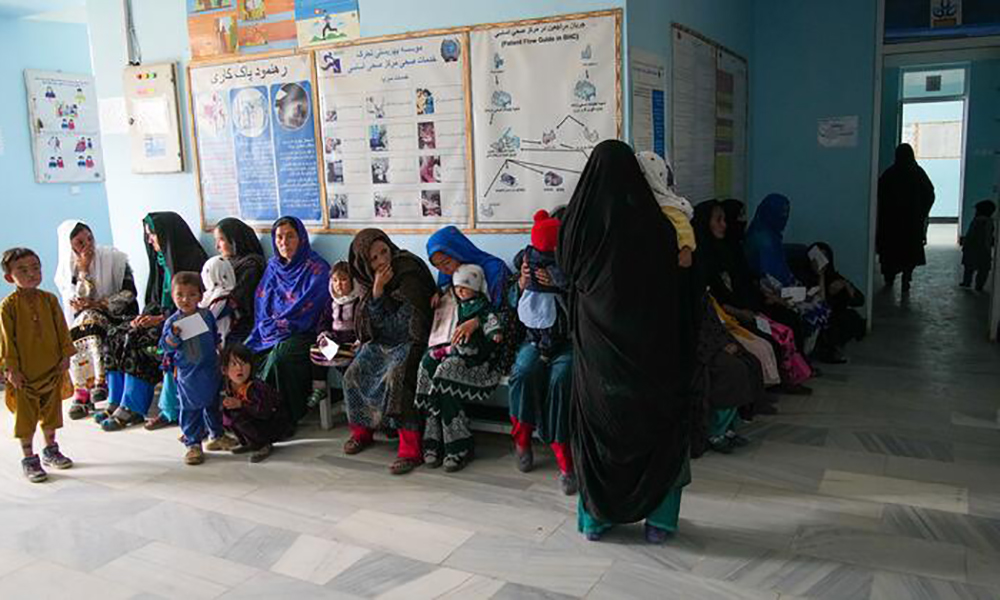
Afghanistan is facing worsening humanitarian challenges as disruptions linked to the ongoing Strait of Hormuz crisis drive up food, fuel and transport costs, placing additional pressure on aid operations across the country.
Speaking at UN Headquarters in New York on Thursday, World Food Programme (WFP) Acting Executive Director Carl Skau said warnings issued earlier in the crisis about the knock-on effects of higher energy prices were now materialising in some of the world’s most vulnerable countries.
Skau stated that few places illustrate the cascading consequences of the crisis more starkly than Afghanistan.
Fresh from a visit to the country, he described witnessing hundreds of mothers carrying visibly malnourished children away from a rural health clinic near Jalalabad because nutrition supplies had run out.
The shortages stem from a combination of funding cuts and supply-chain disruptions that have complicated deliveries previously routed through neighbouring countries.
“I’ve never seen anything like it,” Skau said. “The desperation in that clinic is hard to describe.”
Afghanistan is simultaneously coping with economic pressures linked to the regional crisis and the return of some 2.8 million people deported or repatriated from neighbouring countries over the past year.
According to WFP, an additional 2.3 million people in Afghanistan have been pushed into acute hunger since the crisis began nearly 100 days ago.
Rising food prices, higher transport costs and underfunded aid programmes are reducing the ability of humanitarian organizations to reach vulnerable communities.
The UN Children’s Fund (UNICEF) has also warned that shipping delays and rising transport costs are affecting the delivery of critical supplies, including vaccines, therapeutic food and medical assistance. Humanitarian cargo is now facing delays of up to six months in some cases.
UN officials say the impact of the Strait of Hormuz crisis extends far beyond the Middle East, with vulnerable countries such as Afghanistan bearing some of the heaviest consequences. They warn that prolonged disruptions could further increase hunger, deepen poverty and undermine fragile humanitarian gains.
The latest warnings come as aid agencies continue to appeal for greater international support to prevent a further deterioration of conditions for millions of Afghans who remain dependent on humanitarian assistance.






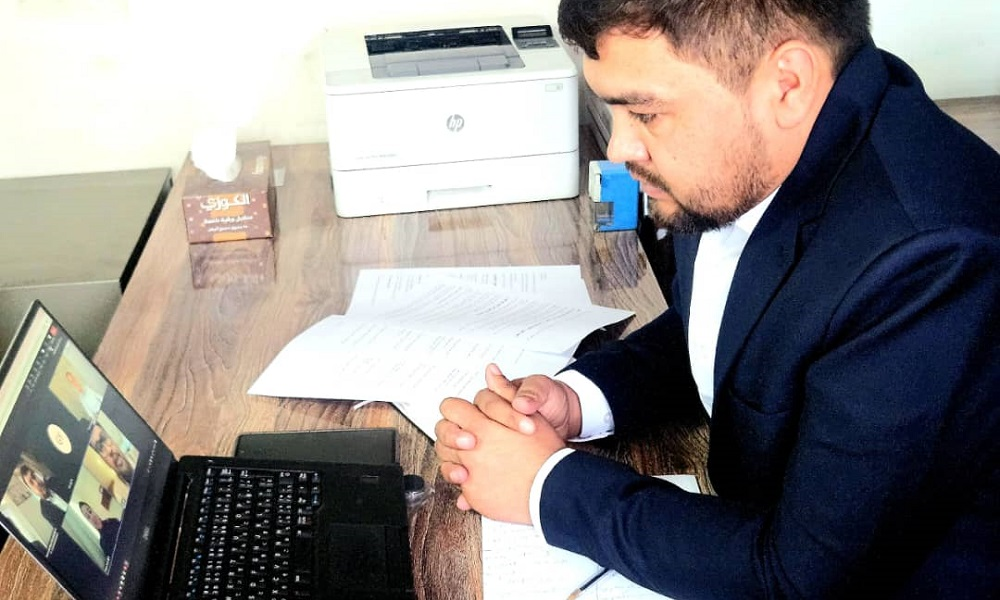
An online meeting between the heads of the Afghanistan National Canoeing Federation, the International Canoe Federation and the Asian Canoe Confederation was held on Wednesday to discuss challenges and opportunities for developing canoeing in Afghanistan.
According to a statement from the Afghanistan National Canoeing Federation, Mohammad Nasir Hakimzada, head of the federation, outlined the challenges, needs and existing opportunities for the development of the sport in the country.
The heads of the International Canoe Federation and the Asian Canoe Confederation praised the efforts of Afghan federation officials and emphasized their commitment to continued cooperation and support for the growth of the sport.
Officials from the organizations pledged to organize national and international training seminars, featuring international instructors, both inside and outside Afghanistan, to enhance the skills of Afghan coaches.
They also announced plans to support the Afghanistan National Canoeing Federation in the near future, including the donation of around 10 canoes and other sports equipment.
The heads of the International Canoe Federation and the Asian Canoe Confederation were also formally invited to visit Afghanistan. They pledged to travel to the country next year.
The meeting marks a step toward strengthening international cooperation, improving technical capacity and providing better facilities for the growth and development of canoeing in Afghanistan.
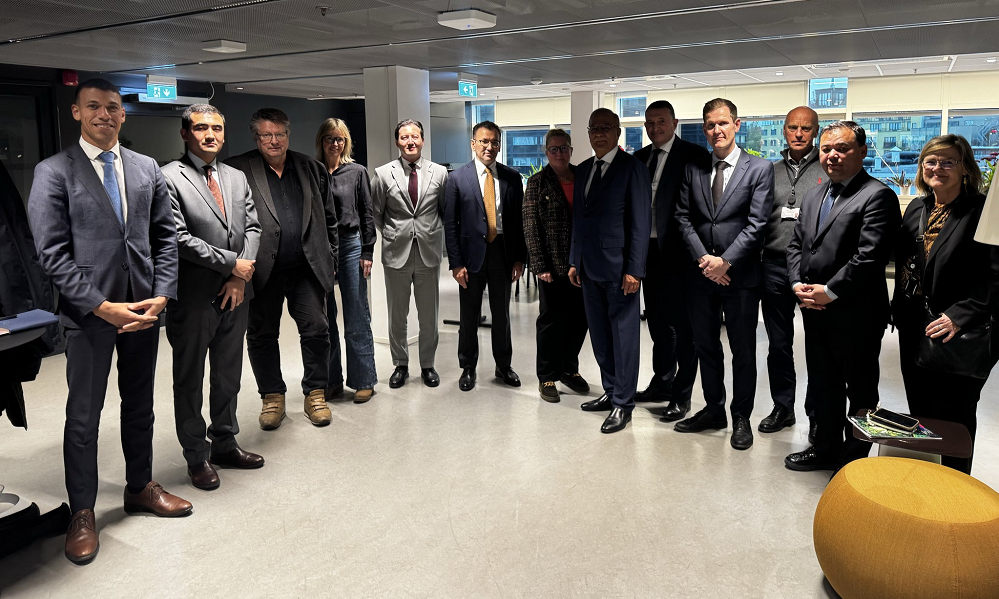
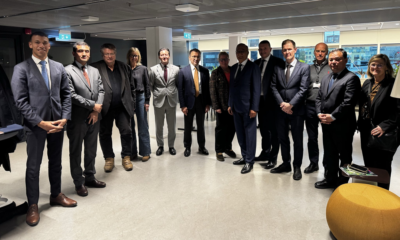
Uzbek and Norwegian officials have held a two-day workshop in Oslo to discuss Afghanistan’s regional integration, security and economic cooperation, according to Javlon Vakhabov, an adviser to Uzbekistan’s president.
In a post on X, Vakhabov said the discussions were convened by the Norwegian Center for Conflict Resolution (NOREF) and focused on promoting pragmatic engagement with Afghanistan through sustained dialogue and cooperation in security, trade, energy, transit and regional connectivity.
The Uzbek delegation included Ismatulla Irgashev, the president’s special envoy for Afghanistan; Rakhmatulla Nurimbetov, Uzbekistan’s ambassador to Norway; Odil Gafarov, deputy director of the Institute for Advanced International Studies at the University of World Economy and Diplomacy; and Vakhabov himself.
Vakhabov said he shared Uzbekistan’s experience in peacebuilding and good-neighbourly relations, stressing that lasting stability depends on Afghanistan’s gradual integration into regional cooperation processes.
Latest News
Qatar calls for shift from humanitarian aid to economic recovery in Afghanistan
She also said Afghanistan’s future should be shaped through a comprehensive political process led by Afghans themselves, with respect for the country’s sovereignty, independence and territorial integrity.
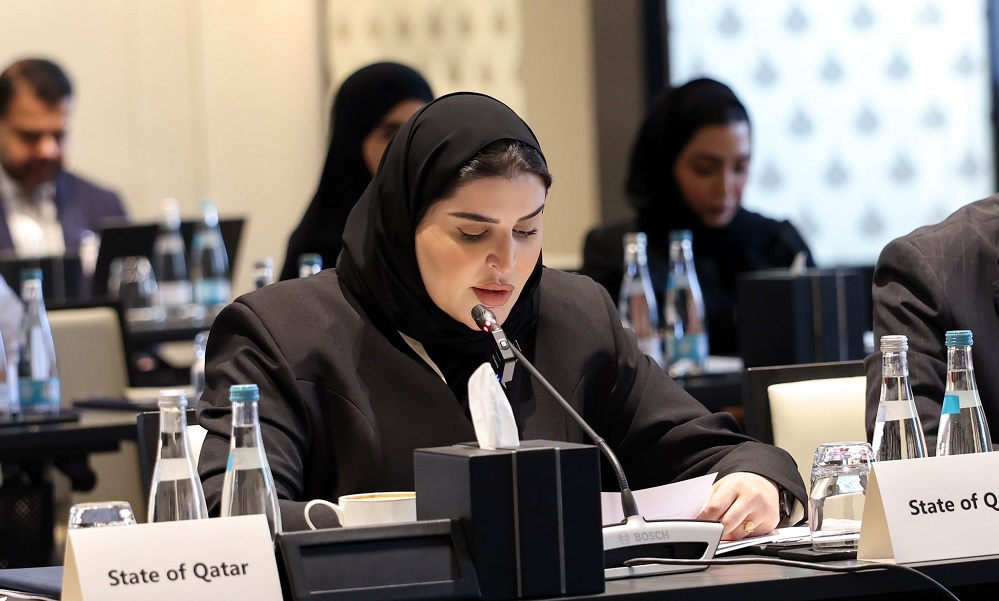
Qatar has called for a shift from emergency humanitarian assistance toward economic recovery and private-sector development in Afghanistan, stressing the need for sustained international engagement to build a more stable future for the country.
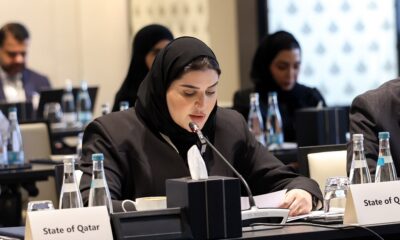
Qatar’s Minister of State for International Cooperation, Maryam bint Ali bin Nasser Al Misnad, made the remarks Tuesday at the Afghanistan Coordination Group meeting in Doha.
Al Misnad said Qatar has provided and pledged nearly $150 million over the past decade for humanitarian and development projects in Afghanistan, particularly in health care, education and emergency response.
She warned that severe humanitarian needs and economic difficulties continue to affect Afghan families, while the return and displacement of people are placing additional pressure on public services and livelihoods. She said urgent needs remain in food security, health care, nutrition, education and access to water.
The minister stressed that assistance must be delivered transparently, with accountability and in line with humanitarian principles, with particular attention to vulnerable groups, including women and young people.
She also said Afghanistan’s future should be shaped through a comprehensive political process led by Afghans themselves, with respect for the country’s sovereignty, independence and territorial integrity.
Al Misnad highlighted Qatar’s role in facilitating dialogue on Afghanistan since the launch of the Doha peace process in 2013, as well as its support for initiatives such as the Solutions Strategy for Afghan Refugees and the Afghanistan Humanitarian Fund.
She said the UN-led Doha Process provides a platform for political engagement and practical cooperation, highlighting counter-narcotics and private-sector development as areas where international efforts could deliver tangible results.
Al Misnad urged participants to maintain Afghanistan’s place on the international agenda, establish clear priorities and renew their commitments to the Afghan people, emphasizing that technical cooperation should complement broader political efforts.


Tahawol: Doha meeting and Afghanistan’s political and economic future discussed

Saar: Concerns over expansion of conflict between Iran and US discussed

Afghanistan, world and Asian canoeing federations hold online meeting

Uzbekistan, Norway discuss Afghanistan and regional security in Oslo

Governments warn citizens over security risks in France after riots

Cricket Bonanza: Afghanistan set for packed international schedule

Afghanistan says 28 killed, 32 captured in Nuristan operation

Silk Road highway in Wakhan corridor now reaches the China border

CNN, MS NOW and Politico sue Trump, challenging White House ban

Afghanistan on climate front line as Kabul faces groundwater warning
Tahawol: Doha meeting and Afghanistan’s political and economic future discussed
Saar: Concerns over expansion of conflict between Iran and US discussed
Governments warn citizens over security risks in France after riots

Tahawol: Iran’s reaction to Pakistan’s mediation discussed

Saar: Review of SCO meeting in Tajikistan
-
 Sport3 days ago
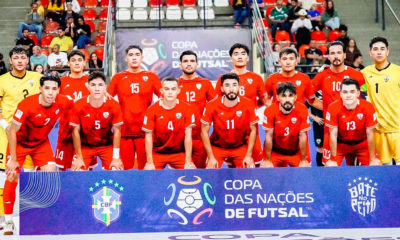
Afghanistan reach Brazil futsal tournament final after beating Cape Verde 4-2
-

 Regional5 days ago
Trump says US may strike Iran’s ‘Pickaxe Mountain’ nuclear facility
-
 World2 days ago
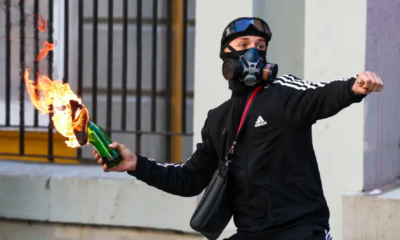
Violent protests spread across Europe as Albanian PM blames ‘foreign hand’
-
 Latest News4 days ago
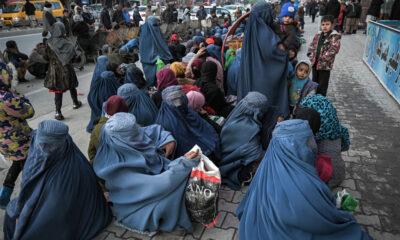
Afghanistan’s hunger crisis deepens as 16 million face food insecurity ahead of winter
-

 Sport3 days ago
Afghanistan finish runners-up after 6-0 defeat to Brazil in futsal final
-
 Latest News4 days ago
Hegseth says only a few NATO allies were involved in fighting in Afghanistan
-

 World3 days ago
France rocked by nationwide clashes, looting and fires
-

 Tahawol4 days ago
Tahawol: Russian economic delegation’s visit to Kabul