
Latest News
Nearly 22 million Afghans will need aid next year as crises deepen
UNICEF underscores that sustained support is crucial to ensuring Afghan children “have the chance to survive and thrive” despite one of the world’s most complex and protracted crises.

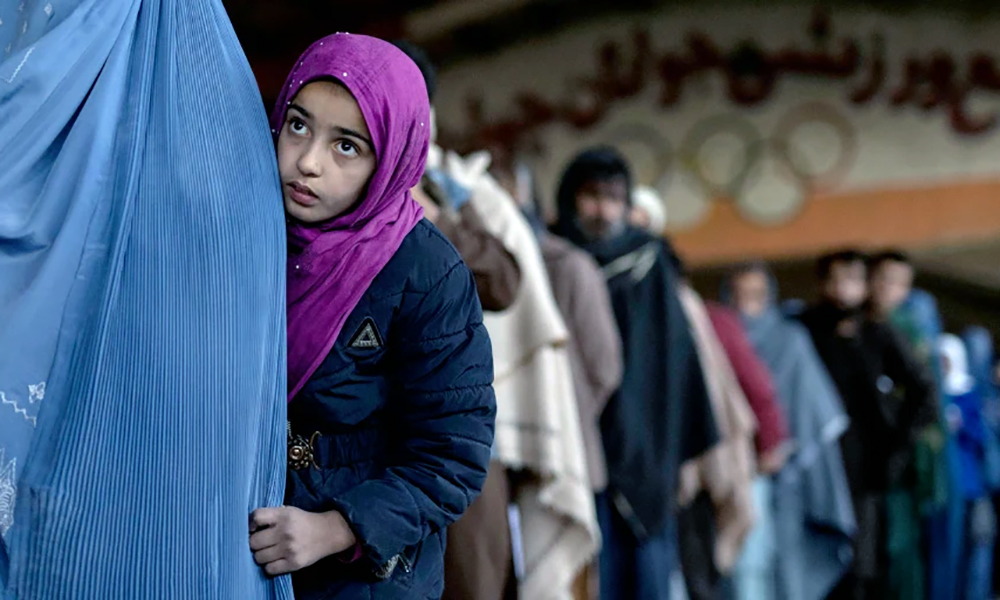
Afghanistan is heading into 2026 with worsening humanitarian needs as overlapping crises continue to erode essential services and protection systems, UNICEF warned in its Humanitarian Action for Children 2026 appeal.
According to the agency, 21.9 million people — including 11.6 million children — will require humanitarian assistance next year. This comes as the country remains trapped in a cycle of natural disasters, economic instability, shrinking protection space, and climate-driven shocks, all compounding the impact of more than 40 years of conflict.
UNICEF says the protection crisis is deepening, with women of reproductive age, children, youth, and marginalized groups facing heightened risks. Women and girls remain disproportionately affected due to bans on secondary education and restrictions on employment, which the agency describes as a “systemic rights crisis” with severe long-term consequences.
The report also highlights chronic underinvestment in water, sanitation and hygiene (WASH) systems, made worse by recurring drought, floods, and harsh winters. These compounding pressures are undermining community resilience and increasing dependency on humanitarian aid.
To meet urgent needs and reinforce community-level systems, UNICEF is appealing for $949.1 million. The funding aims to provide life-saving support to 12 million people, including 6.5 million children, through health services, education, nutrition treatment, and safe drinking water.
Key Targets for 2026
12 million people to access healthcare in priority provinces
5.7 million children to receive emergency education support
1.3 million children (6–59 months) with severe wasting or high-risk malnutrition to receive treatment
2.9 million people to gain access to safe drinking water through UNICEF-supported programmes
UNICEF underscores that sustained support is crucial to ensuring Afghan children “have the chance to survive and thrive” despite one of the world’s most complex and protracted crises.

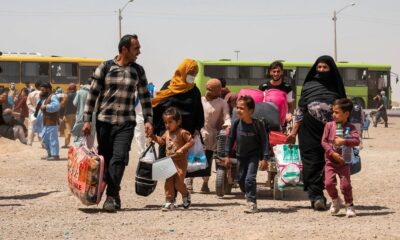




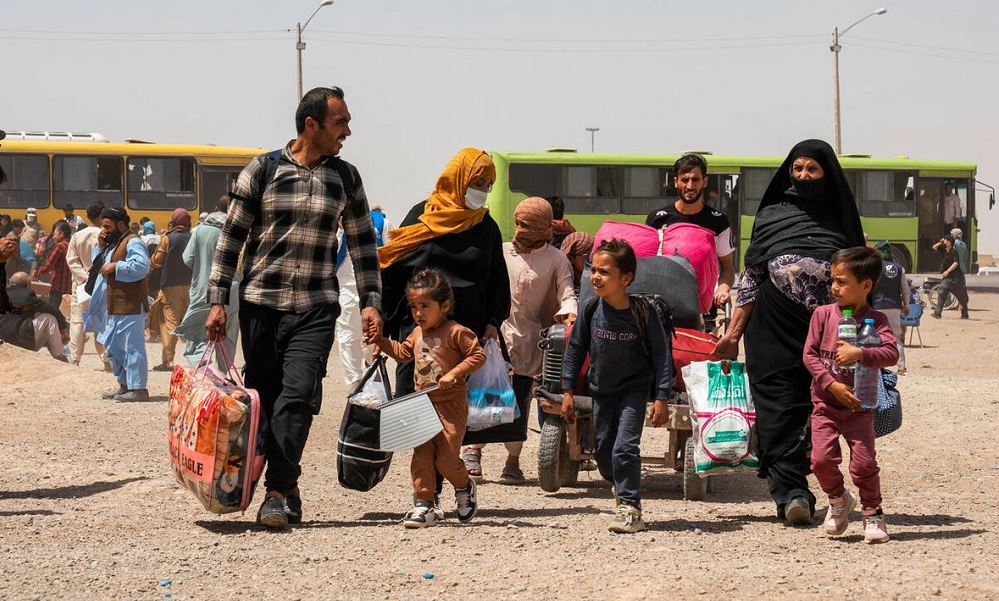
A senior official from the United Nations High Commissioner for Refugees (UNHCR) says many Afghans living in Iran are facing increasingly difficult decisions as insecurity and economic hardship deepen across the region.
Arafat Jamal, the UNHCR representative in Afghanistan, told Al Jazeera that Afghans in Iran are caught between two difficult realities: remaining in Iran amid growing instability and economic strain, or returning to Afghanistan where many also face uncertainty and insecurity.
“At the moment, it seems to be more of a preemptive move,” Jamal said, referring to Afghans leaving Iran. “People are describing bombs falling around them. There is a great deal of fear, but they are also describing a dysfunctional economy.”
According to Jamal, approximately 110,000 Afghans have returned from Iran so far this year, many driven by fear of escalating conflict and deteriorating living conditions.
“For these people there are no good choices,” he said. “They are fleeing one war only to come to another,” Jamal added, referring to ongoing cross-border tensions and military activity involving Pakistan and Afghanistan.
The UNHCR official noted that the current wave of returns follows an already unprecedented movement of people.
In 2025, around 2.8 million Afghans returned to Afghanistan, making it the largest refugee return movement in the world that year.
Humanitarian agencies warn that Afghanistan is struggling to absorb such large numbers of returnees, particularly as the country faces widespread poverty, limited employment opportunities, and reduced international aid.
Jamal also cautioned that the United Nations currently lacks sufficient funding to maintain long-term assistance programs for returning refugees.
Without additional financial support, aid organizations may struggle to provide housing, food, and basic services to the growing number of returnees arriving in Afghanistan.
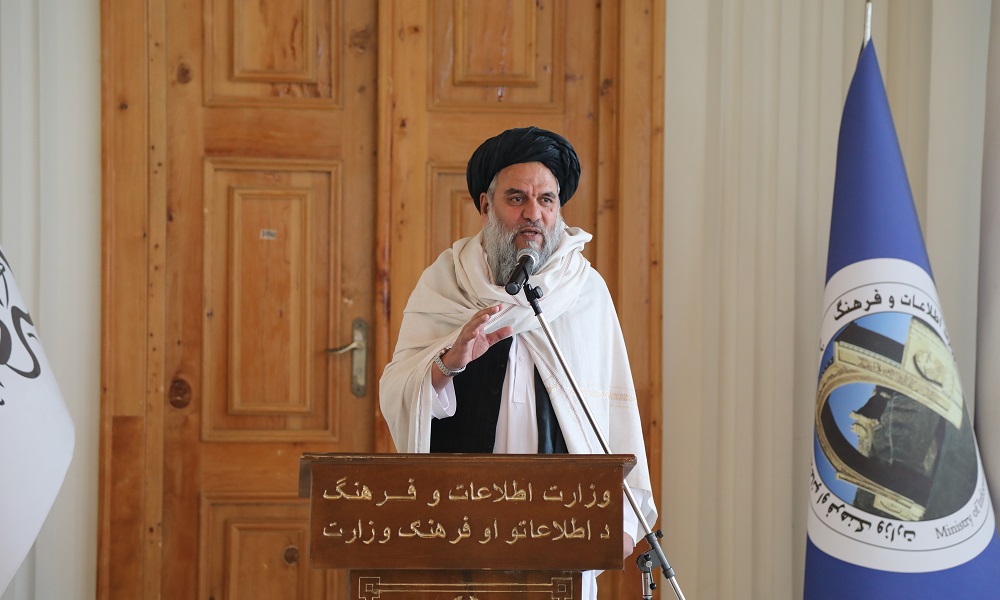
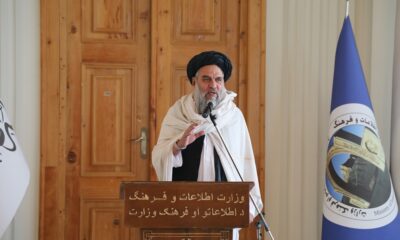
The Ministry of Information and Culture on Tuesday honored political analysts, journalists, and media officials for their effective work in carrying out their responsibilities during a gathering in Kabul.
The event was attended by Shir Ahmad Haqqani, Minister of Information and Culture, along with several other officials, political analysts, media representatives, and journalists.
Speaking at the gathering, the minister said that safeguarding the current system and maintaining security is the responsibility of every member of society.
“The stance of political analysts and the activities of the media during times of conflict play an important role in raising public awareness and fostering political understanding among the people,” he said.
He added that the interests of the Afghan people are shared and that protecting those interests is a collective responsibility.
According to the minister, the media have a duty to reflect facts clearly and convey a real and accurate image of the country to the world.
He also stated that there is no linguistic, regional, or ethnic superiority among the people of Afghanistan and that unity and brotherhood prevail in the country.


Afghan refugees in Iran face ‘impossible choices,’ UNHCR official warns

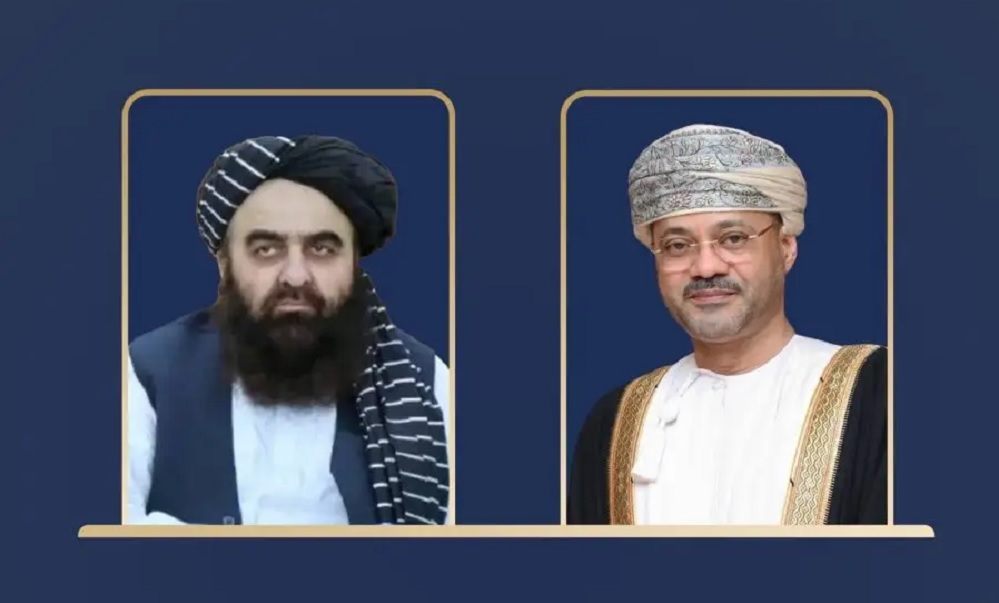
Afghanistan and Oman foreign minister discuss regional developments in phone call

As many as 150 US troops wounded so far in Iran war: report

Tahawol: Demands to end Afghanistan–Pakistan conflict reviewed

Saar: Resolving Afghanistan-Pakistan tensions discussed

Pakistani military jet downed in Afghanistan’s Jalalabad, pilot captured alive

Afghan Air Force conducts airstrikes in Islamabad, other cities

IEA releases three Pakistani soldiers to mark Ramadan

Afghanistan’s Chief of Armed Forces underscores readiness and equipment for national defense

Afghanistan welcomes investment and technology partnerships with India
Tahawol: Demands to end Afghanistan–Pakistan conflict reviewed
Saar: Resolving Afghanistan-Pakistan tensions discussed

Tahawol: International Reactions to Iran’s Newly Appointed Leader

Saar: UN Security Council Meeting on Afghanistan discussed

Tahawol: Iran’s war with America and Israel discussed
-

 Latest News4 days ago
Prominent Muslim scholar issues fatwa calling for Afghanistan-Pakistan ceasefire
-

 Business4 days ago
Afghanistan steps in to replace Iran in supplying fruits and vegetables to Russia
-
 Latest News3 days ago
International Women’s Day: Khalilzad urges IEA to allow girls’ education
-
 Latest News3 days ago
Afghanistan’s Virtue Ministry: Over 3,400 women’s rights complaints addressed in 10 months
-
 Latest News5 days ago
Afghanistan says 327 Pakistani soldiers killed in ‘Radd-ul-Zulm’ operation
-
 Latest News4 days ago
Afghans among those injured in Iranian attacks on UAE
-
 Regional3 days ago
Majority consensus reached on Iran’s next supreme leader
-
 Latest News3 days ago
Turkey stresses importance of peace and stability in Afghanistan