
Latest News
UNAMA calls for immediate halt to Afghanistan–Pakistan cashes
From the evening of 26 February to 2 March 2026, UNAMA recorded at least 146 civilian casualties across Afghanistan, including 42 deaths and 104 injuries, among them women and children.

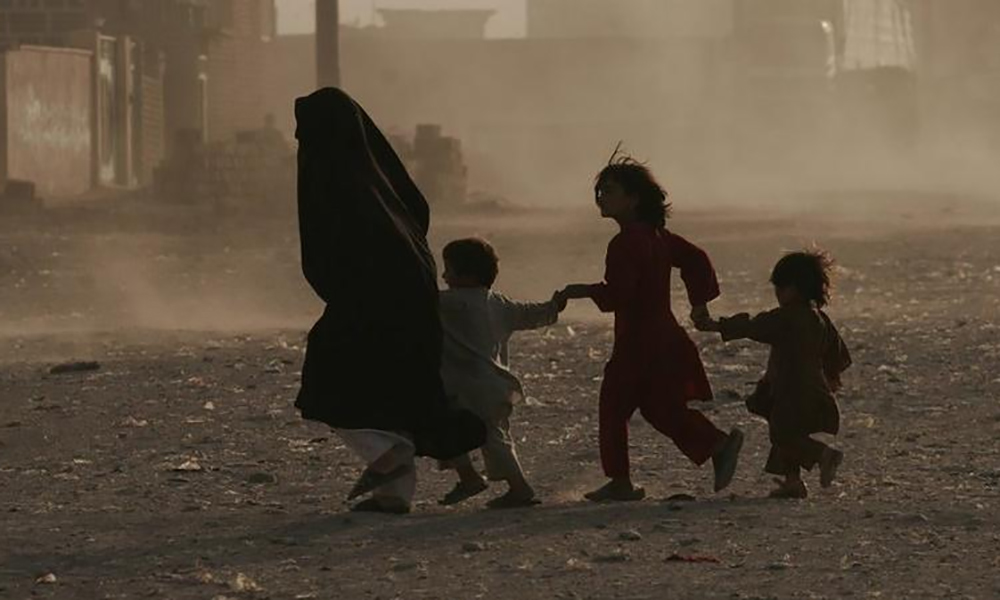
The United Nations Assistance Mission in Afghanistan (UNAMA) has urged an immediate end to fighting between Afghan security forces and Pakistani security forces, warning that ongoing clashes are exacerbating Afghanistan’s already dire humanitarian situation.
In a statement issued Tuesday, UNAMA called on all parties to uphold their obligations under international law, including international humanitarian law, and to prioritize the protection of civilians. The mission continues to document incidents of civilian casualties while humanitarian agencies report escalating disruption to aid delivery and growing displacement.
Civilian Casualties and Displacement
From the evening of 26 February to 2 March 2026, UNAMA recorded at least 146 civilian casualties across Afghanistan, including 42 deaths and 104 injuries, among them women and children.
These preliminary figures include casualties caused by indirect fire from clashes across the disputed Durand Line frontier, affecting residential areas in Paktya, Paktika, Nangarhar, Kunar and Khost, as well as airstrikes in Paktika and Nangarhar provinces.
According to preliminary data from the UN Office for the Coordination of Humanitarian Affairs (OCHA), approximately 16,400 households have been displaced across the five affected provinces.
Hundreds of families still displaced after the August 2025 Kunar earthquake — Afghanistan’s deadliest in nearly 30 years — have been advised to leave the area or relocate to relatives’ homes as a precaution.
Restrictions on movement due to active conflict have limited humanitarian agencies’ ability to deliver essential assistance, leaving Afghan returnees from Pakistan particularly vulnerable.
Impact on Humanitarian Operations
Several humanitarian and medical facilities, including the emergency hospital at the Torkham crossing and an IOM transit center, have sustained damage. The World Food Programme (WFP) has suspended operations in the affected areas, impacting approximately 160,000 people who rely on food distributions. Several provinces are experiencing critical levels of acute malnutrition.
UNAMA also noted that Afghanistan’s western border with Iran could see a rise in returning Afghan populations, further straining already limited humanitarian resources.
The mission emphasized that immediate cessation of hostilities and unhindered access for humanitarian actors are essential to prevent further civilian suffering.

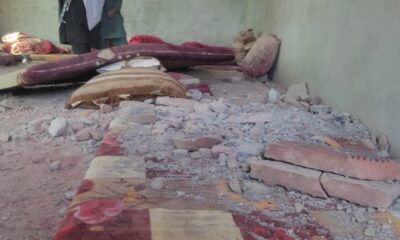
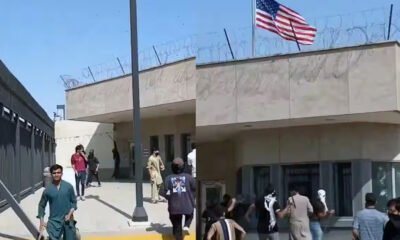
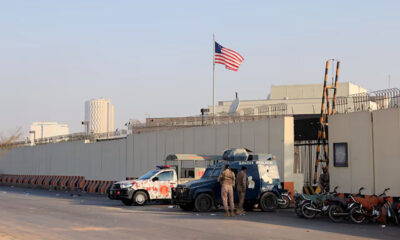



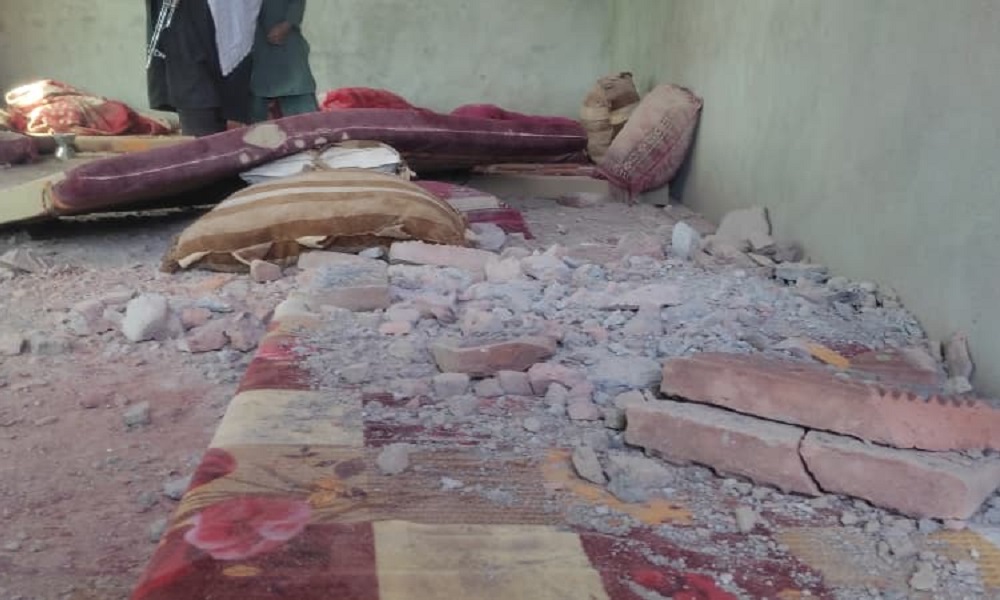
Sources confirm to Ariana News that in the districts of Zazi Maidan and Alisher in Khost province, forces of Pakistan’s military regime have attacked the homes of civilians.
According to the sources, in these attacks four civilians, including a woman and a child, were killed and 16 others were injured.
The attacks also destroyed dozens of houses and killed a large number of livestock, as a result of which local residents have faced significant financial and human losses.
Latest News
IEA reports 25 clashes with Pakistani forces in 24 hours; Hundreds killed or wounded
The toll on Afghan forces, he said, includes 28 soldiers killed and 42 wounded, while three Pakistani drones have been shot down during the same period.
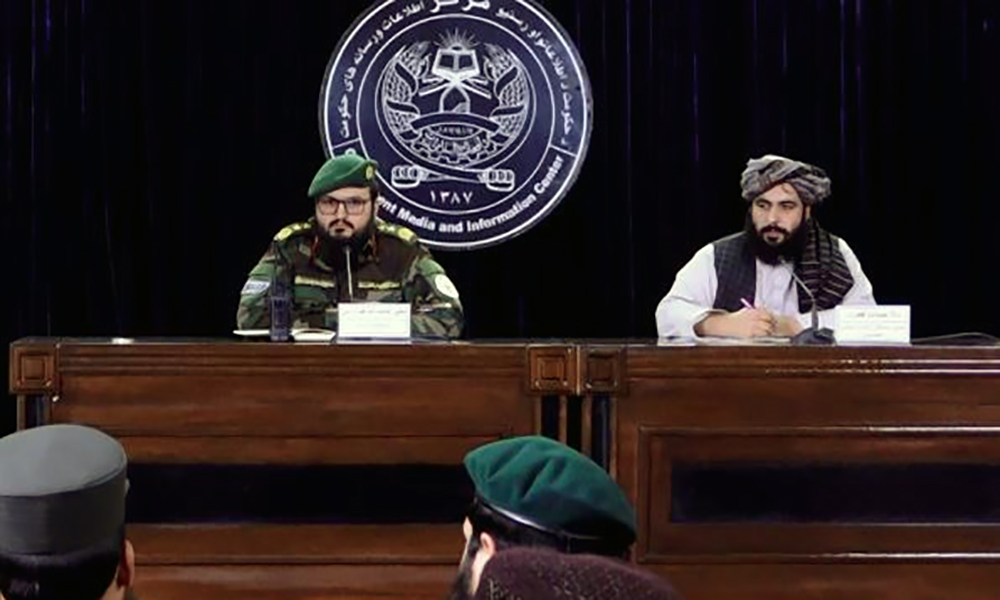
The Ministry of Defense of the Islamic Emirate of Afghanistan (IEA) reported 25 clashes with Pakistani forces over the past 24 hours, resulting in heavy casualties and widespread damage on both sides.
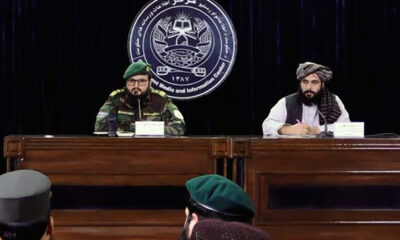
Enayatullah Khowarzmi, spokesperson for the Ministry of Defense, told a press conference Tuesday that four Pakistani soldiers were killed and 13 military posts destroyed during the latest confrontations.
Since the start of operations against Pakistan, Khowarzmi claimed, Afghan forces have inflicted 150 Pakistani fatalities, wounded over 200 soldiers, and seized 40 military posts.
“War has never been our first option, but anyone who sets eyes on Afghan soil with ill intent has been met with a firm response,” Khowarzmi said. He added that Afghanistan would not allow its territory to be used for aggression against other nations.
The toll on Afghan forces, he said, includes 28 soldiers killed and 42 wounded, while three Pakistani drones have been shot down during the same period.
Deputy spokesperson Hamdullah Fitrat reported that the clashes have also caused severe civilian casualties, with 110 killed and 130 injured, mostly women and children.
Fitrat warned that the IEA does not seek war but is prepared to take further action if Pakistani incursions continue.
He added that the Pakistani embassy in Kabul is currently under IEA control and could be closed if hostilities persist.
Fitrat also described extensive material damage from the attacks, including 37 homes fully destroyed, 216 partially damaged houses, 12 shops, 19 mosques, a clinic, and a school. The clashes have displaced more than 8,000 civilians.
Latest News
Indian cleric comments on rising Afghanistan–Pakistan tensions
Concluding his remarks, Nadwi called on Muslims to carefully assess the situation and to take what he described as a principled stand against injustice and external influence.
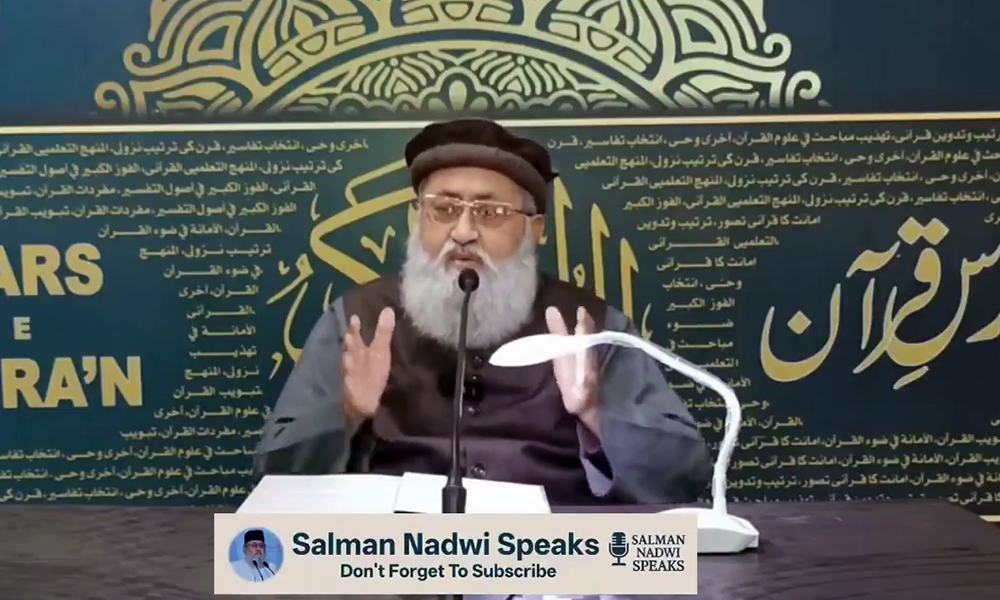
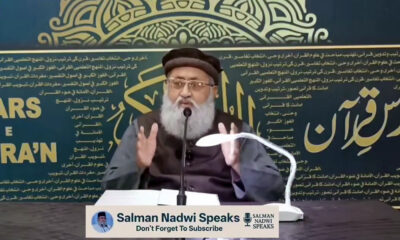
Prominent Indian Islamic scholar Salman Nadwi has weighed in on the recent tensions and clashes between Afghanistan and Pakistan, releasing a 13-minute video statement outlining his views on the unfolding political and military developments.
In the video, published on his official YouTube channel, Nadwi criticized Pakistan’s current military establishment, describing it as “oppressive” and “unjust.”
He alleged that the country’s armed forces prioritize foreign interests over the welfare of their own population.
Addressing the situation in Afghanistan, Nadwi said the country’s authorities are acting to defend their territory and governance system.
He characterized resistance to what he termed “military aggression” as legitimate from his perspective.
The cleric also questioned the positions taken by several Pakistani religious scholars and political figures, urging them to reconsider their stance on the escalating tensions.
He expressed disappointment over what he described as silence or insufficient responses from some influential voices within Pakistan.
Concluding his remarks, Nadwi called on Muslims to carefully assess the situation and to take what he described as a principled stand against injustice and external influence.
His comments come at a time of heightened friction between Afghanistan and Pakistan.


Four civilians killed, 16 injured in fresh Pakistani attacks in Khost

UNAMA calls for immediate halt to Afghanistan–Pakistan cashes

IEA reports 25 clashes with Pakistani forces in 24 hours; Hundreds killed or wounded

Indian cleric comments on rising Afghanistan–Pakistan tensions

US Embassy, Consulates in Pakistan suspend visa services over security concerns

Pakistani military jet downed in Afghanistan’s Jalalabad, pilot captured alive

IEA releases three Pakistani soldiers to mark Ramadan

Afghan Air Force conducts airstrikes in Islamabad, other cities

Afghanistan’s Chief of Armed Forces underscores readiness and equipment for national defense

Afghanistan welcomes investment and technology partnerships with India

Saar: Afghan forces’ operation against Pakistani military

Tahawol: Afghanistan and the Region Under the Shadow of Rising Tensions

Tahawol: Joint Israeli-US attacks on Iran discussed

Saar: Afghan retaliatory operations against Pakistan discussed

Tahawol: Carrying out retaliatory operations against Pakistan discussed
-
 Latest News3 days ago
Pakistani military jet downed in Afghanistan’s Jalalabad, pilot captured alive
-
 Latest News4 days ago
Afghan Air Force conducts airstrikes in Islamabad, other cities
-
 Latest News4 days ago
IEA: Special circle in Pakistan has launched mission to destabilize region
-
 Latest News1 day ago
Afghan air force strikes key Pakistani military installations in retaliatory operation
-
 Latest News4 days ago
Turkey launches initiative to diffuse Afghanistan-Pakistan tension
-
 Regional5 days ago
Narendra Modi holds high-level talks after historic address to Knesset
-

 Latest News4 days ago
Afghans say they are united against Pakistan aggression
-
 Latest News3 days ago
Afghan forces conduct fresh airstrikes on Pakistani military targets