
World
World leaders return to UN amid wars in Middle East and Ukraine
The 15-member UN Security Council may hold high-level meetings on Ukraine, AI and the Middle East, including talks with Arab leaders, diplomats said.

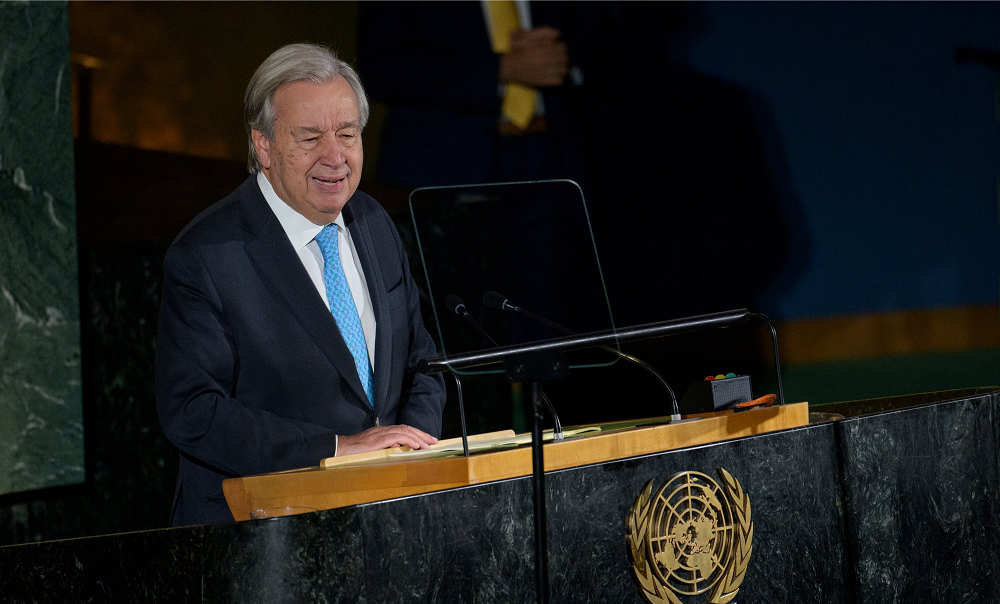
World leaders gather in New York this week for the UN General Assembly, bracing for President Donald Trump’s return to the rostrum for a second year running, with talks centering on the widening conflicts in the Middle East and Ukraine and the risks of artificial intelligence.
Nearly 130 heads of state meet with the post-World War Two order under strain and with the UN itself struggling to remain relevant and weathering attacks from Trump, who has slashed America’s contributions and withdrawn from dozens of UN bodies, Reuters reported.
Chinese leader Xi Jinping, who last addressed the diplomatic jamboree via video in 2021, will skip New York in favor of one-on-one talks with Trump in Washington on Thursday, fueling debate about the UN’s relevance in addressing global crises.
Compounding the crisis of morale and finance are questions about the next leader of the 80-year-old organization: Secretary-General Antonio Guterres completes his term at the end of 2026, with no clear frontrunner in the race to replace him.
The 15-member UN Security Council may hold high-level meetings on Ukraine, AI and the Middle East, including talks with Arab leaders, diplomats said.
More than a year into Trump’s second term, “we would no longer say that the UN is in freefall, but we would say that it’s stuck in an open-ended crisis,” said Richard Gowan of the International Crisis Group.
“The UN may not be in emergency care like it was last year, but it seems to be trapped in a trauma center for the foreseeable future,” Gowan said.
The US avoided losing its vote at the assembly by paying $725 million in contributions to the regular budget this week, but it still owes the organization more than a billion dollars and makes ongoing demands for cuts and reforms.
GROWING AI RISKS
The assembly meets shortly after several artificial intelligence industry leaders called for a coordinated slowdown of the development of the technology, warning that it could soon improve on its own and escape human control.
Guterres has said that AI will be a major topic, adding that countries pushing its frontiers should set up “common guardrails in order to avoid this race to the bottom that could lead one day to a gigantic disaster at the global level.”
The secretary-general has long proposed global governance of AI. In 2023, the UN created an advisory body on the technology, with members including tech executives, government officials and academics.
The warning has put Guterres at odds with Trump, who dismissed AI risks as a “hoax,” saying there is a “sick conspiracy” against it and that China would benefit from the doubt being cast on its development.
MIDDLE EAST ESCALATION
The Middle East will again be a focus of discussions, as the US-Israeli war on Iran continues to drive global inflation and destabilize the region. Recent gains by Houthi militants threaten shipping in the vital Bab el-Mandeb Strait and could further spike energy prices.
“It’s very difficult to have a military solution for that problem, and the experience of fighting in Yemen demonstrated how complicated it is to have successful interventions,” said Guterres, adding that the UN’s envoy on Yemen was making a “huge effort” to advance talks.
Peace talks remain stalled, however, as Iran and the US continue to exchange strikes and Trump threatens a major escalation of the war.
Iranian President Masoud Pezeshkian is scheduled to address the assembly on Wednesday.
Israeli Prime Minister Benjamin Netanyahu – wanted by the International Criminal Court over alleged war crimes and crimes against humanity in Gaza that Israel denies – is to speak on Thursday.
Palestinian President Mahmoud Abbas will for the second year running not be at the gathering in person. The US, a close Israeli ally, again denied him a visa. On Thursday, the General Assembly voted to allow Abbas to appear via video.
There is likely to be a high-level meeting on the conflict in Sudan on the sidelines, diplomats said, although a diplomatic breakthrough is unlikely.
UKRAINE, FOOD SECURITY
Also on the agenda is Russia’s more than four-year-old war in Ukraine.
Ukrainian President Volodymyr Zelenskiy and Russian Foreign Minister Sergei Lavrov will address the General Assembly. Zelenskiy will likely seek to shore up Ukraine’s position ahead of what is expected to be another tough winter, diplomats said.
The Security Council has been unable to take action to end the conflict because permanent member Russia holds a veto.
Trump has at times appeared frustrated that he has been unable to broker an end to the war, a goal he declared a priority when he began his second term in January last year. The US president spoke with his Russian counterpart Vladimir Putin earlier this month, but it was unclear whether he plans to meet Zelenskiy in New York.
Guterres highlighted the impact the war was having on civilians but also on food security and energy prices.
“The effective blockade existing in the Black Sea is creating enormous problems that add to the problems generated by the Middle East crisis, and I think it would be very important to find a way to allow Ukrainian exports and Russian exports of food, fertilizers and energy to take place in a safe way through the Black Sea,” he said.

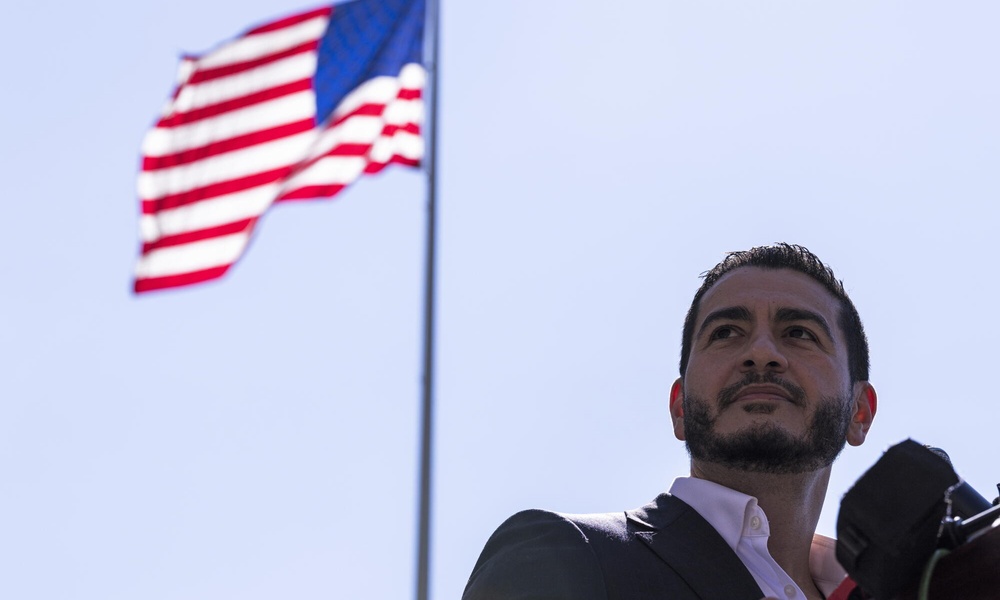
Democrat Abdul El-Sayed has won Michigan’s US Senate race, defeating former Republican lawmaker Mike Rogers and becoming the first Muslim elected to the US Senate, according to US television networks.
“Michigan, we did it!” El-Sayed declared at his victory celebration in Detroit, where hundreds of supporters gathered to celebrate.
“I am so proud and honoured to stand here as your senator-elect from the great state of Michigan,” the 42-year-old said.
El-Sayed secured the victory despite a late campaign setback when Democratic Congresswoman Haley Stevens, whom he defeated in the party primary, endorsed Rogers shortly before election day.
A former medical administrator, El-Sayed campaigned on progressive promises, including universal healthcare, reducing the influence of money in politics and tackling the rising cost of living.
He replaces retiring Democratic Senator Gary Peters and held a lead of nearly six percentage points over Rogers when US networks called the race.
His campaign attracted large crowds across Michigan, including in traditionally Republican areas, while drawing support from labour unions, activists and younger voters.
Republicans had launched a fierce campaign against El-Sayed, portraying him as a radical and questioning his patriotism. He also faced Islamophobic attacks and mockery over his Arabic name from President Donald Trump and Vice President JD Vance.
Addressing Vance during his victory speech, El-Sayed said the vice president was constitutionally obligated to swear him into office in January.
The victory came amid a strong showing by Democrats in several races, prompting jubilant supporters at El-Sayed’s headquarters to chant: “Tsunami! Tsunami!”
World
Democrats seize control of Congress in major setback for Trump
The Democrat’s gains extended to the House of Representatives, where the party overturned Republican advantages in several states, including Iowa, Florida, Pennsylvania and Texas.
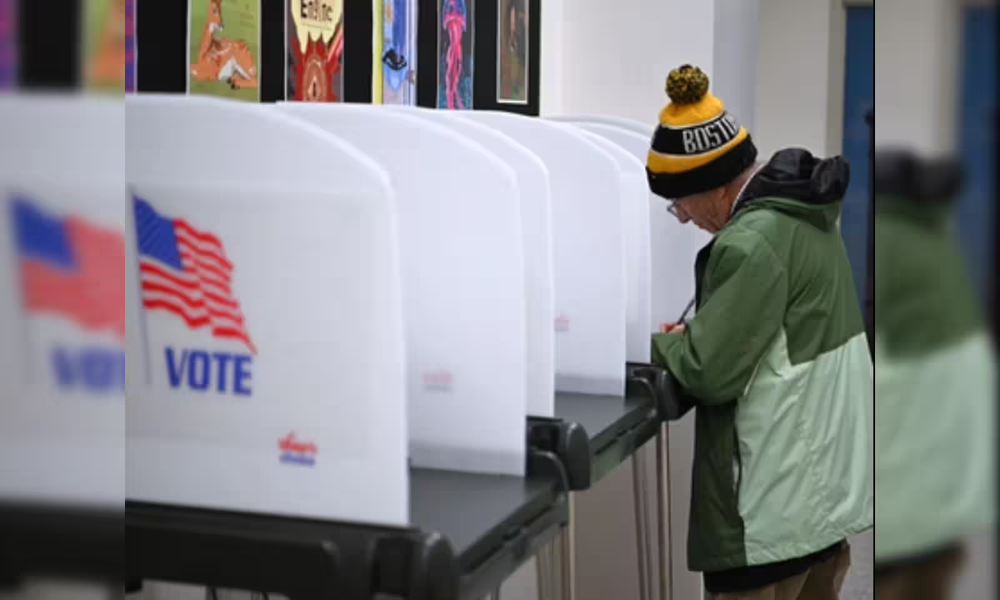
Democrats have stormed to victory in the US midterm elections, capturing control of both chambers of Congress in a stunning political reversal that delivers a major blow to President Donald Trump and his Republican Party.
The results of Tuesday’s elections saw Democrats break through in traditionally Republican strongholds, flipping key Senate seats in Texas, South Carolina and Kansas, where Republicans had expected to hold their ground.
Among the biggest upsets was James Talarico’s Senate victory in Texas, where Democrats had not won a statewide office in more than 30 years. In South Carolina, Annie Andrews defeated Republican Senator Darline Graham, while Troy Jackson unseated Republican Senator Susan Collins in Maine.
The Democratic gains extended to the House of Representatives, where the party overturned Republican advantages in several states, including Iowa, Florida, Pennsylvania and Texas.
Trump faces two difficult years
The scale of the defeat is a serious setback for Trump, who spent much of the final campaign stretch rallying supporters and backing Republican candidates. Several of those candidates went down to defeat despite his personal endorsements.
Voters appeared to deliver a clear message, with rising living costs, economic frustration, the war in Iran and concerns over government corruption emerging as major issues.
Trump sought to play down the results, insisting he had not been on the ballot and blaming the defeat on the candidates rather than his own leadership.
Democratic leaders, meanwhile, celebrated what they described as a historic political shift, promising tougher oversight of the administration and investigations into senior officials.
With Democrats now controlling both chambers, Trump’s legislative agenda faces a formidable obstacle. The party has also signalled that investigations into the administration, including questions surrounding the president’s personal interests and the conduct of senior officials, will be a priority.
The outcome marks one of the most significant political setbacks of Trump’s presidency, transforming the balance of power in Washington and setting the stage for two turbulent years ahead.
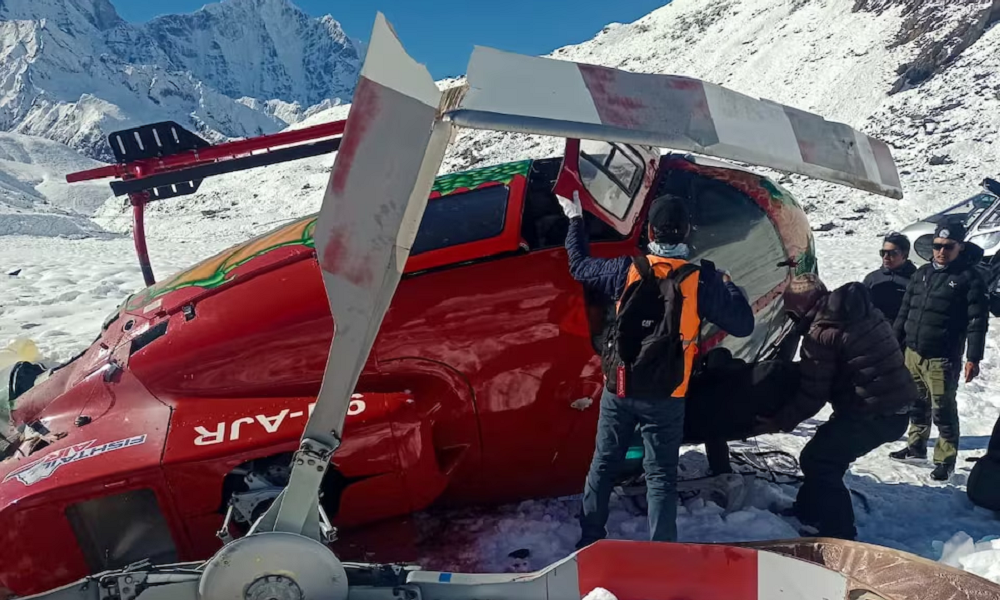
An Indian tourist was killed and a New Zealand national injured after two helicopters collided while attempting to land in Nepal’s Everest region on Tuesday, police said.
The accident occurred on a snowy landing site in Solukhumbu district when helicopters operated by Fishtail Air and Air Dynasty struck each other during landing attempts.
“The 47-year-old Indian tourist died on the spot,” Nabin Raja Budhathoki, head of Solukhumbu District Police, told AFP.
A 53-year-old New Zealand national was injured and airlifted to the capital, Kathmandu, for further medical treatment. Authorities were also arranging to transport the deceased tourist’s body to the capital.
Both helicopter pilots survived the collision.
Helicopters are widely used in Nepal to transport tourists, mountaineers and supplies across the Himalayan region, as well as to conduct emergency evacuations.
However, the country’s mountainous terrain and rapidly changing weather conditions make aviation operations particularly challenging.
Nepal is home to eight of the world’s 14 highest mountains, including Mount Everest, attracting thousands of international climbers and trekkers each year.

Democrat Abdul El-Sayed becomes first Muslim elected to US Senate
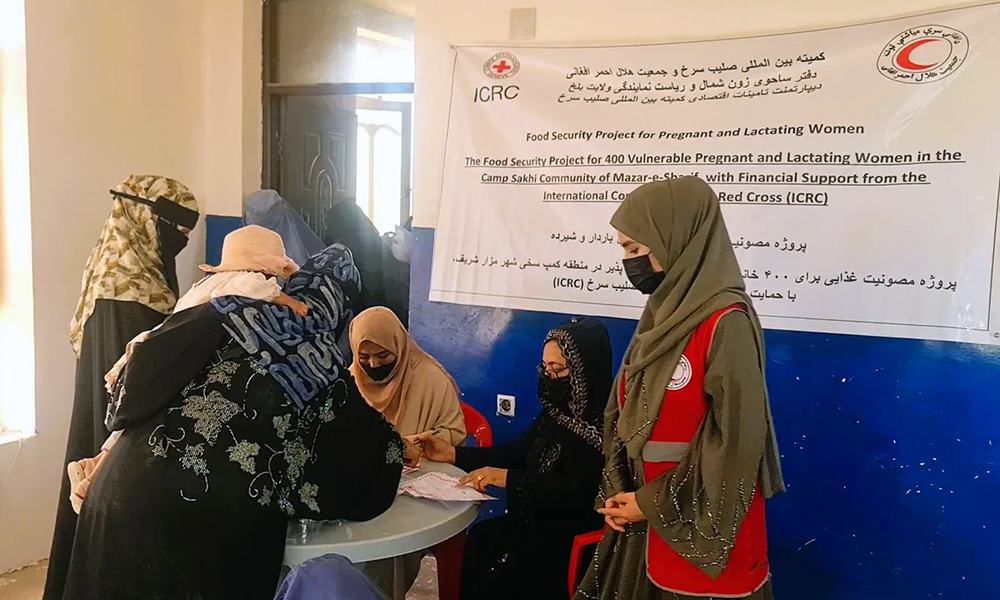
ICRC expands support for Afghan women and girls
Democrats seize control of Congress in major setback for Trump
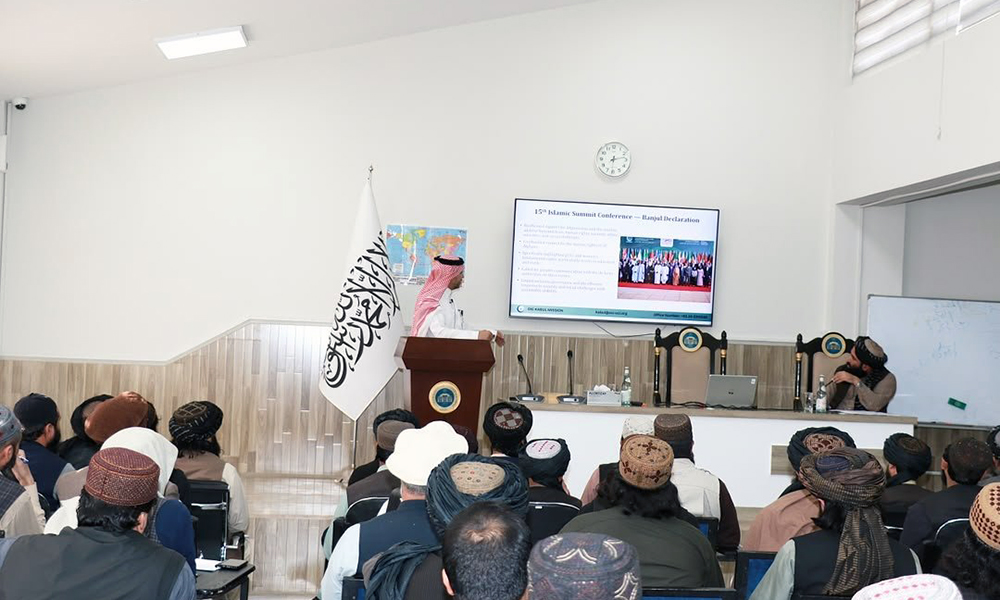
OIC highlights diplomatic efforts and continued support for Afghanistan
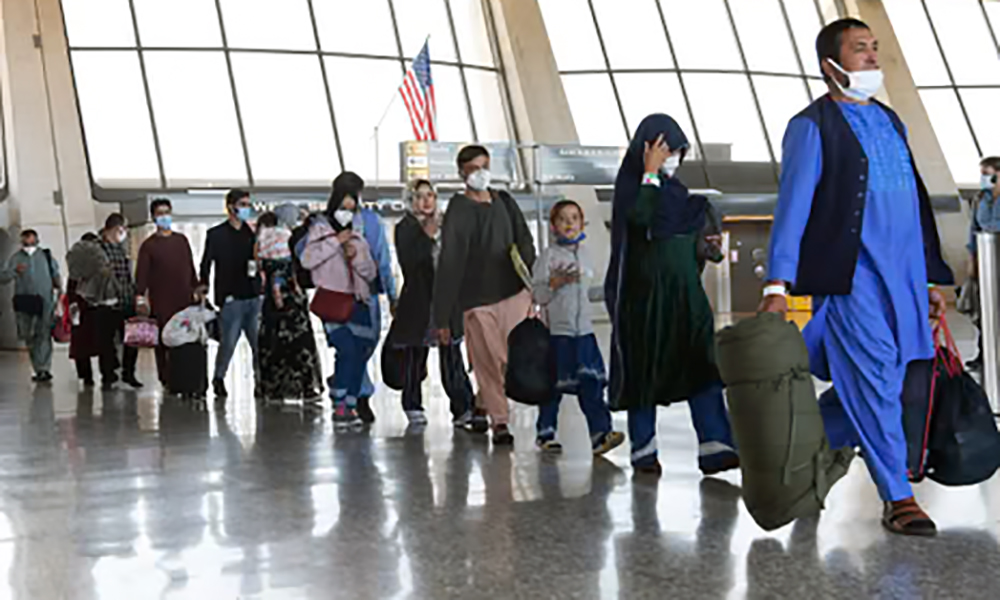
US judge temporarily blocks deportation of detained Afghans

Afghanistan finish runners-up after 6-0 defeat to Brazil in futsal final

Trump says US will not attack Iran before midterm elections in November

Lionel Messi bids tearful farewell to Argentina after 3-0 win over Benin

Afghan futsal coach: Brazil tournament is first step towards new goals and World Cup

Trump says US may strike Iran’s ‘Pickaxe Mountain’ nuclear facility
Democrat Abdul El-Sayed becomes first Muslim elected to US Senate
Tahawol: Iran hosts quadrilateral talks on Afghanistan discussed
Saar: Deportation of undocumented Afghans from France discussed
Tahawol: calls for dialogue between Kabul and Islamabad
Saar: Trump’s remarks on Afghanistan war
-
 Business4 days ago
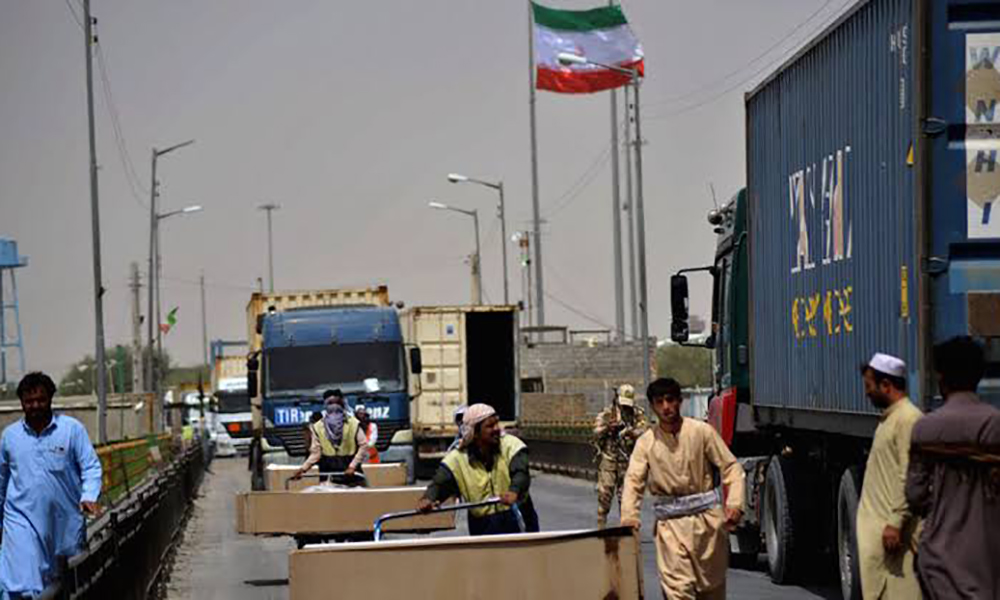
US sanctions and blockade measures disrupt Iran’s trade with Afghanistan and regional neighbors
-
 Sport3 days ago
Afghanistan crowned 2026 Hong Kong Sixes champions after beating Australia in final
-
 Sport4 days ago
Afghanistan storm into Hong Kong Sixes final after beating Scotland
-
 Latest News4 days ago
UNHCR: 6.3 million Afghans have returned since 2023, 60 percent reportedly forced to return
-
 Sport2 days ago
ATN signs deal to broadcast Afghanistan Futsal Premier League seasons 5 and 6
-
 Sport3 days ago
Afghanistan target T20I clean sweep against Zimbabwe in Sharjah
-
 Sport2 days ago
Afghanistan futsal team thrash Panama 5-0 in flying start to Dakar Youth Olympics
-
 Sport4 days ago
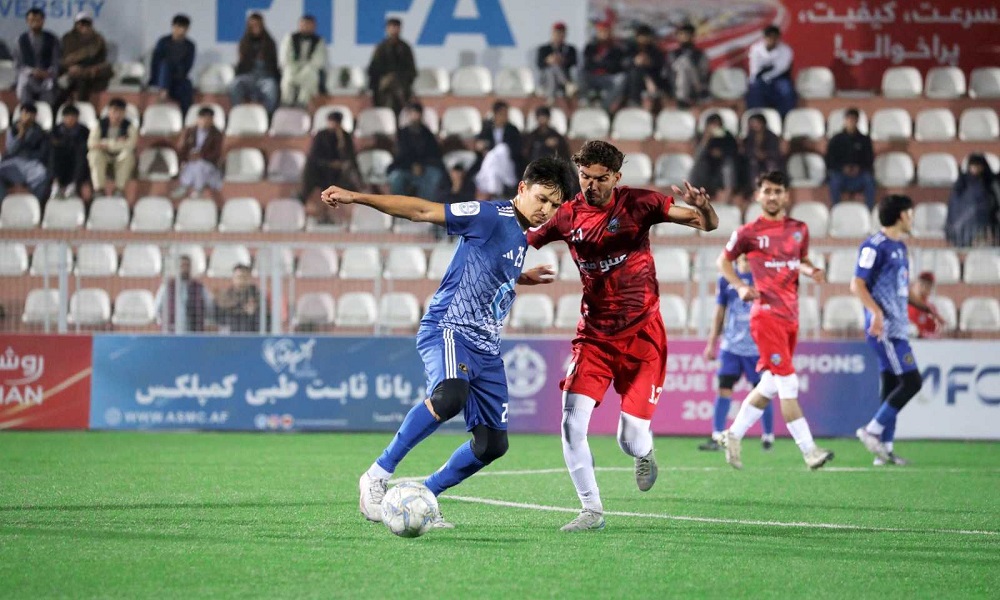
Arman FC fall 2–0 to Aino Mina in Afghanistan Champions League