
Health
Afghan health minister, Gavi discuss expanding routine immunization

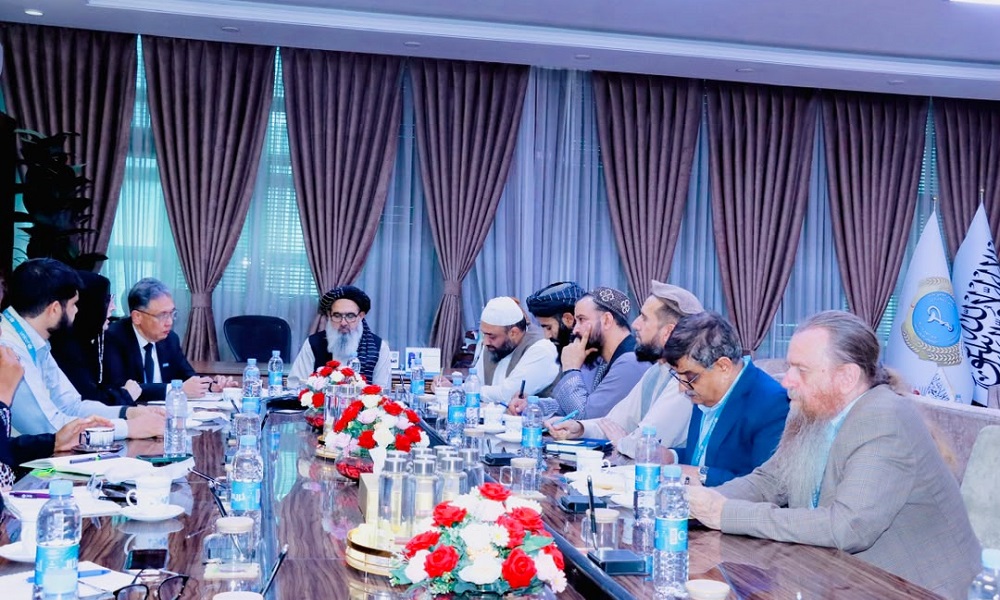
Afghanistan’s Acting Minister of Public Health, Noor Jalal Jalali, has held talks with officials from Gavi, the Vaccine Alliance, as well as representatives of the World Health Organization (WHO) and UNICEF on expanding routine immunization and strengthening primary healthcare services across the country, the Ministry of Public Health said on Tuesday.
According to the ministry, the meeting focused on improving access to primary healthcare, increasing routine vaccination coverage and reviewing Gavi’s continued support for Afghanistan’s health sector.
Jalali said combating vaccine-preventable diseases, including measles and polio, remains one of the ministry’s top priorities. He added that efforts are also underway to expand preventive healthcare services and improve access to essential medical care, particularly in underserved communities.
The minister said Afghanistan’s National Vaccination Strategy and National Health Strategy are in the final stages of preparation and will soon be shared with relevant stakeholders to support coordinated implementation.
Routine immunization remains a critical challenge in Afghanistan, where years of conflict, economic hardship and limited access to healthcare have left millions of children vulnerable to preventable diseases. International organizations continue to support vaccination campaigns and efforts to strengthen the country’s fragile health system.
According to the ministry, Gavi officials reaffirmed that Afghanistan remains one of the alliance’s priority countries and pledged to continue supporting immunization programmes and broader health initiatives aimed at protecting the country’s most vulnerable populations.



Health
WHO calls for greater mental health support in Afghanistan
World Mental Health Day is observed annually on October 10 to raise awareness of mental health challenges, reduce stigma and encourage access to appropriate care and support.
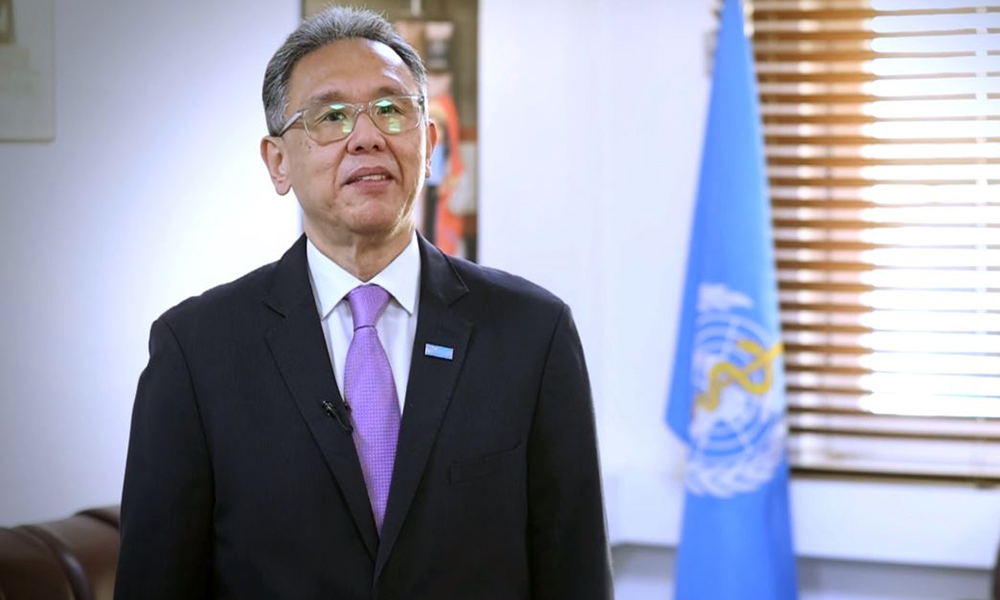
The World Health Organization (WHO) has called for greater attention to mental health care in Afghanistan, warning that many Afghans are experiencing psychological distress due to the loss of loved ones and the challenges of daily life.
Dr. Edwin Ceniza Salvador, the WHO representative in Afghanistan, made the remarks on Saturday, October 10, marking World Mental Health Day. He emphasized that mental health deserves the same level of attention as physical health and urged people experiencing psychological difficulties to seek support and recognize that they are not alone.
Salvador said that listening with empathy and without judgment, supporting one another and speaking openly about mental health issues can help build stronger families and healthier communities.
Highlighting this year’s World Mental Health Day theme, “Mental health in humanitarian emergencies,” he stressed the importance of listening to people’s personal experiences and ensuring their concerns and needs are heard.
He also called on Afghans to show greater compassion, support those facing emotional and psychological challenges, and strengthen community solidarity so that no one is left without care or assistance.
World Mental Health Day is observed annually on October 10 to raise awareness of mental health challenges, reduce stigma and encourage access to appropriate care and support.
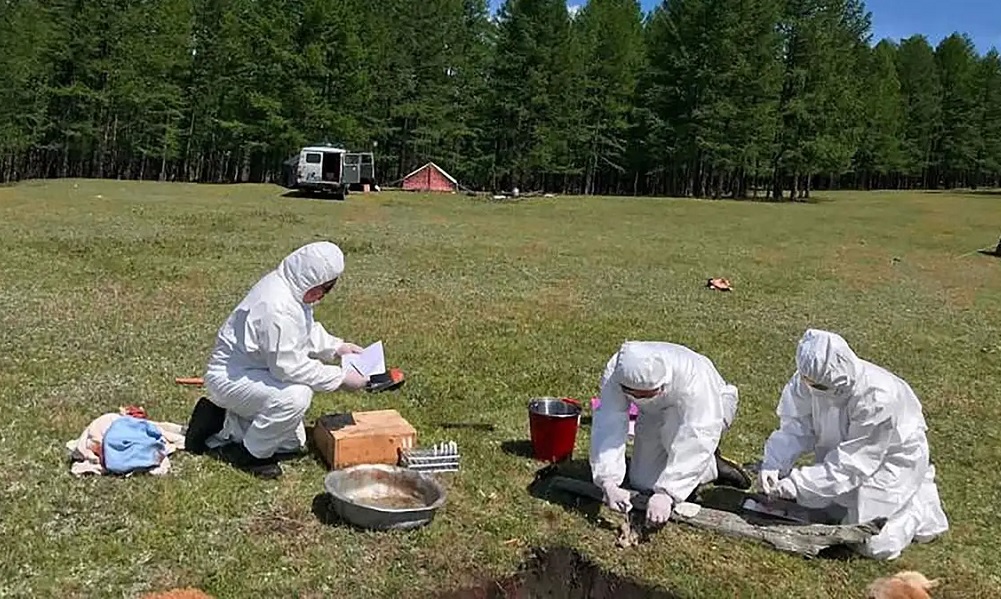
President Donald Trump says the United States is ready to help Russia after reports of a suspected pneumonic plague case in Siberia, as authorities monitor nearly 200 people who may have come into contact with the woman who died.
The woman, a laboratory worker at the Irkutsk Anti-Plague Research Institute, identified in reports as 28-year-old Darya Shipilova, became seriously ill while working at the institute and later died in hospital.
Reports initially suggested she may have been exposed to plague bacteria following an incident at the laboratory. However, Russian health authorities have rejected that account and said she died from pneumonia of unknown origin.
Officials said testing had not detected microorganisms associated with her professional activities and that there was no confirmed laboratory accident involving dangerous pathogens.
As a precaution, authorities have placed people who may have had contact with the woman under medical observation. Five hospitals in the region have also been placed under quarantine measures.
No additional cases of plague have been confirmed, and officials have said those under observation are not showing symptoms associated with the disease.
Pneumonic plague is a severe form of plague that affects the lungs and can spread between people through respiratory droplets. It can, however, be treated with antibiotics when treatment begins promptly.
Trump offers US assistance
The reports have also drawn attention in Washington.
Trump said the United States was closely monitoring the situation and was prepared to assist Russia.
“We’re looking at it very strongly, we just heard about it,” Trump told reporters when asked about the reported risk of pneumonic plague coming from Russia.
“We’ll help them, we’ll help them as much as we can,” he said.
Trump also said he had not spoken with Russian President Vladimir Putin about the reported case.
US Secretary of State Marco Rubio said Washington was monitoring developments but indicated there was no immediate cause for alarm. The US State Department said it was coordinating with the Centers for Disease Control and Prevention and other agencies.
No confirmed outbreak
Despite reports describing the incident as a plague outbreak, Russian authorities have not confirmed a wider outbreak of pneumonic plague.
The cause of the laboratory worker’s illness remains a key point of uncertainty. Russian officials maintain that she died from pneumonia of unknown origin and that tests have not established a connection to plague bacteria.
The monitoring and quarantine measures are precautionary and are intended to identify any potential infections while the investigation continues.
Nearly 200 people are being monitored — but there are currently no confirmed cases of pneumonic plague among them.
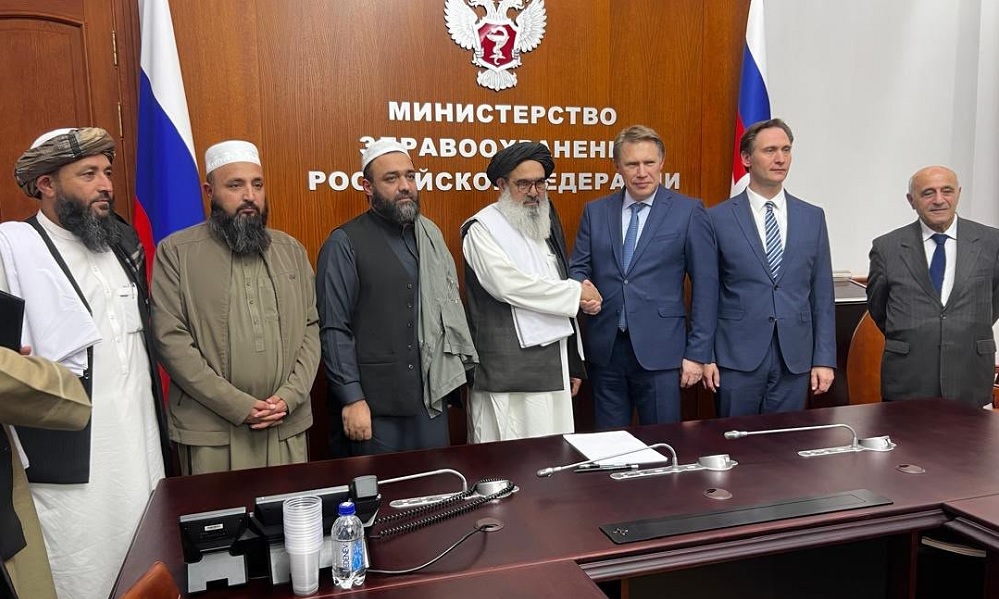
Noor Jalal Jalali, Minister of Public Health of Afghanistan, met with Russian Health Minister Mikhail Albertovich Murashko during his official visit to Russia.
The two sides discussed expanding long-term health cooperation between Afghanistan and Russia, including medicines, vaccines, medical equipment, health-worker training and the transfer of modern medical technologies, Afghanistan’s Public Health Ministry said in a statement.
Jalali briefed his Russian counterpart on the needs and priorities of Afghanistan’s health sector and called for greater Russian cooperation to improve the quality of health services, strengthen the professional capacity of health workers and develop modern medical facilities.
Murashko expressed Russia’s readiness to expand technical cooperation with Afghanistan and support efforts to strengthen the country’s health sector.


EU envoy says restrictions on women and girls an obstacle to normalizing ties with IEA

Qatar calls for more international aid for Afghan refugees and returnees

Iran says nearly 60,000 Afghan students attend its universities, urges more refugee aid

School roof collapse kills teacher, 21 children in NW Pakistan

Uzbekistan gains ground in Afghanistan’s flour market as Kazakhstan loses exports

Cricket Bonanza: Afghanistan set for packed international schedule

UN warns of mounting humanitarian and human rights pressures in Afghanistan

Afghanistan says 28 killed, 32 captured in Nuristan operation

CNN, MS NOW and Politico sue Trump, challenging White House ban

Silk Road highway in Wakhan corridor now reaches the China border

Tahawol: Kyrgyzstan’s rejection of Afghan refugees discussed

Saar: Central Asia’s trade alternative to Pakistan discussed

Tahawol: Warnings over worsening insecurity in Pakistan discussed

Saar: Concerns over potential return of US military bases to Afghanistan discussed

Tahawol: Kabul’s criticism of Islamabad’s policy toward Afghanistan
-

 Regional4 days ago
Houthis warn airlines to avoid Saudi airports after deadly Riyadh attack
-

 World3 days ago
One dead in new attack on Saudi airport, a day after Houthi strike kills 13
-

 Sport4 days ago
Afghanistan Champions League second half to kick off on October 16
-

 World4 days ago
14 killed in two separate mass shootings across the United States
-
 Regional3 days ago
Pakistan deploys military to Peshawar after emergency rule declared
-

 Business4 days ago
Afghanistan signs nearly $400 million in regional trade and investment deals
-

 Sport4 days ago
Bangladesh take 329-run lead against Afghanistan in one-off Test
-

 Latest News4 days ago
Afghan education advocate establishes $2.5 million Oxford scholarship fund for women