
Business
Afghan parliament rejects next year’s budget

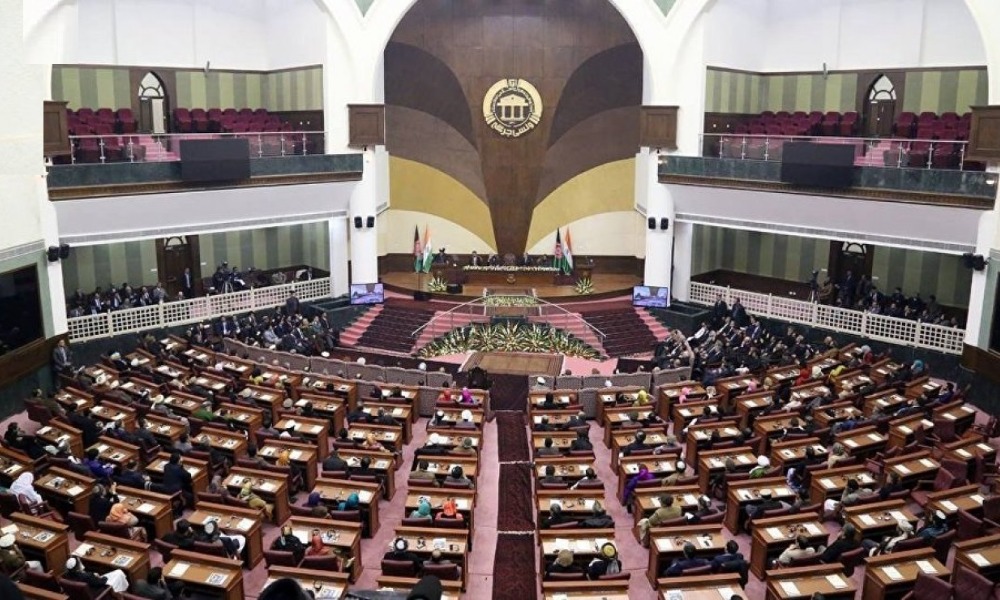
The Afghan parliament (Wolesi Jirga) on Wednesday rejected the new fiscal year’s budget due to “serious problems” which they said hinged on the disproportionate allocation of money including to emergency codes.
MPs stated the allocation of 13 billion AFN to one emergency kitty, without stipulating what the money will be spent on, and the allocation of a further two billion AFN to emergency CODE 91 and 92, where problematic.
This budget was approved by cabinet in November after adjustments were brought to the Public Finance and Expenditure Management Regulation; a draft plan of hydrocarbons regulation; draft statute of Da Afghanistan Breshna Sherkat (the Afghan power company); and the draft law on cadastre.
The cabinet also approved a request by the Ministry of Economy to approve a $3.4 million dollar aid package from USAID to fight coronavirus.
In addition, cabinet at the time approved a request by the ministries of finance and higher education to transfer $1.5 million, not spent by the counter-narcotics unit, to help fund the construction of the Helmand University.
This comes after Mir Rahman Rahmani, Speaker of the House said Tuesday the Wolesi Jirga was working on a plan to equalize civil servants’ pay “and will pursue it seriously until it is signed and implemented by the government to ensure equality,” he said.
Rahmani also instructed the Parliamentary Committee on Finance and Budget to take this into consideration in the new fiscal year’s budget.





Business
Afghanistan, Uzbekistan discuss expanding economic, trade and investment cooperation
For his part, Khojayev said Uzbekistan is prepared to invest in Afghanistan’s mining sector and increase imports of Afghan meat and cotton.
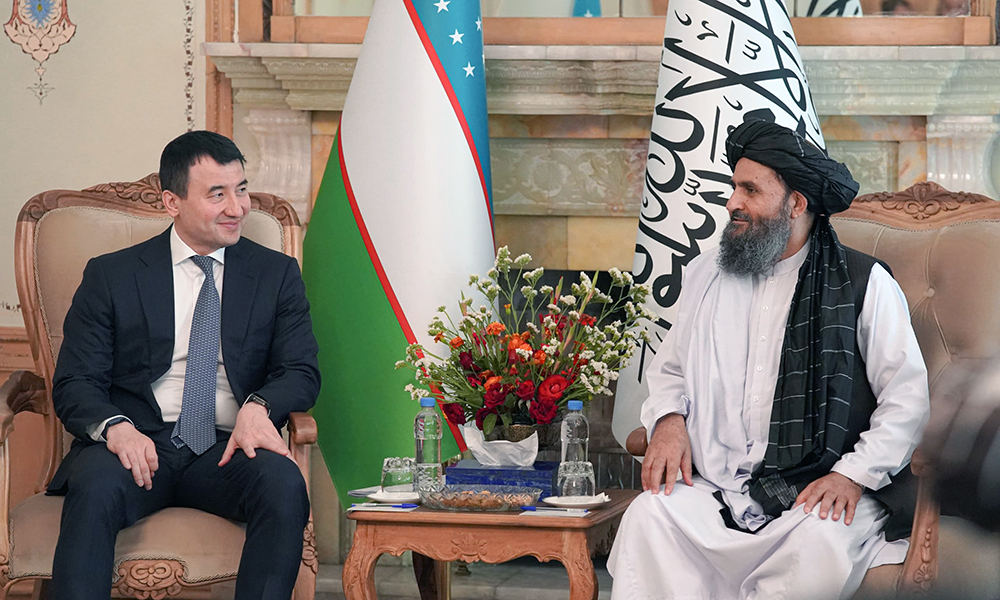
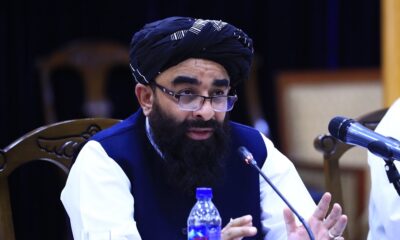
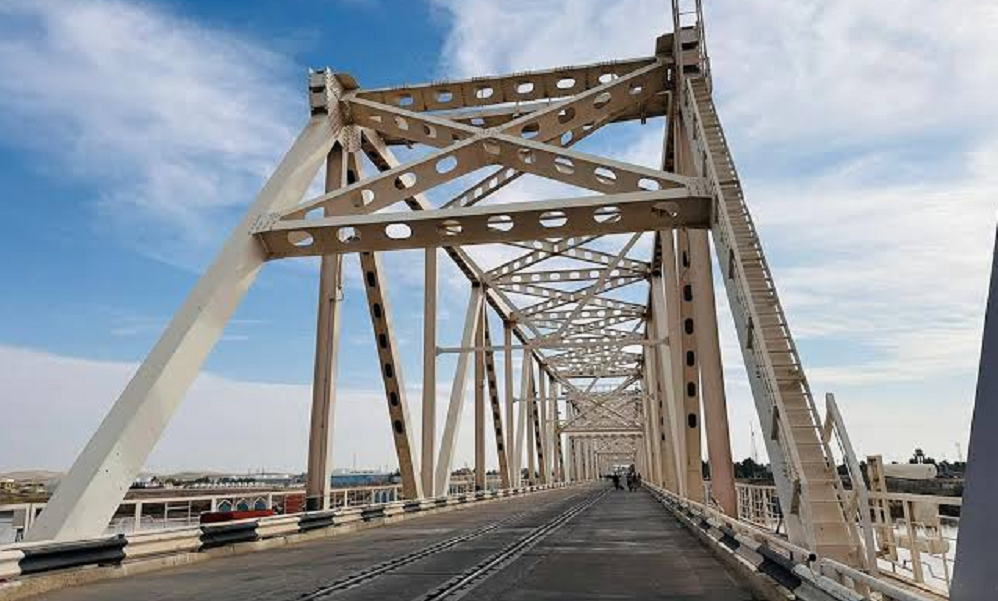
Afghanistan’s Deputy Prime Minister for Economic Affairs, Mullah Abdul Ghani Baradar, met on Sunday with Uzbekistan’s Deputy Prime Minister, Jamshid Khojayev, and his accompanying delegation at the Chahar Chinar Palace in the Arg to discuss expanding bilateral economic cooperation.
The two sides held talks on strengthening economic, trade, investment, and transit cooperation between Afghanistan and Uzbekistan.
Baradar said stronger and more stable relations between Kabul and Tashkent would not only serve the economic interests of both countries but also contribute to regional stability. He added that the Islamic Emirate is ready to use all available capacities to further strengthen and expand bilateral ties.
He emphasized the effective implementation of the joint action plan between the two countries, describing it as an important step toward boosting economic growth.
Baradar also identified several priority areas for cooperation, including removing obstacles to the movement of Afghan export vehicles to Uzbekistan, granting exemptions for Afghan transit goods arriving from China, Central Asia, and Russia, facilitating exports of Afghanistan’s agricultural products, fresh and dried fruits, food products, and valuable minerals to the markets of Central Asia, Russia, and China, increasing the capacity of transit infrastructure, expanding customs facilities, easing the issuance of visas for Afghan citizens, and enhancing cooperation in the energy sector and joint infrastructure projects.
He said broader cooperation between Afghanistan and Uzbekistan would not only elevate bilateral economic relations but could also serve as a model of good neighborly relations for other countries in the region.
For his part, Khojayev said Uzbekistan is prepared to invest in Afghanistan’s mining sector and increase imports of Afghan meat and cotton.
He also announced Uzbekistan’s readiness to build a $50 million zinc processing plant in Hairatan.
Khojayev added that the Uzbek delegation would work with relevant institutions of the Islamic Emirate in the areas of transport, energy, agricultural development, banking, trade, economic cooperation, and capacity-building for Afghan citizens.


Tahawol: Afghanistan–Uzbekistan Economic Cooperation Enters New Phase

Islamic Emirate launches media initiative, says Badakhshan security situation under control

Saar: Growing Criticism in Pakistan Over Islamabad’s Afghanistan Policy

FIFA Fan Festival attracts more than nine million visitors during World Cup 2026

Youth teams take centre stage in Afghanistan Under-17 Champions League

India offers 1,000 online scholarships for Afghan students for 2026-27 academic year

Afghanistan eyes direct Basmati rice imports from India amid tensions with Pakistan

Cricket world pays tribute to Afghanistan fast bowler Shapoor Zadran

Turkey spent over $120 million to prepare airport for Qatar-donated U.S. presidential aircraft

Afghanistan, Uzbekistan set for friendly cricket clash in Khost
Tahawol: Afghanistan–Uzbekistan Economic Cooperation Enters New Phase
Saar: Growing Criticism in Pakistan Over Islamabad’s Afghanistan Policy

Tahawol: Trump halting major Iran escalation

Saar: Afghanistan-Uzbekistan economic ties

Tahawol: New developments ahead in the Middle East discussed
-
 Business5 days ago
Pakistan’s trade deficit with neighbours surges to nearly $16 billion as exports to Afghanistan plunge
-
 Latest News3 days ago
Five armed men killed while attempting to cross Durand Line into Badakhshan
-
 Latest News3 days ago
U.S. government plan to interview Afghan refugees raises deportation concerns
-
 Latest News2 days ago
Badakhshan Governor, Army Chief reaffirm commitment to Afghanistan’s security
-
 World5 days ago
Trump: US will attack Iranian bridge, power plant for every ship targeted in Hormuz
-
 Regional5 days ago
US says it reaches nuclear power deal with Saudi Arabia
-
 Latest News5 days ago
Afghanistan seeks stronger ties with Bangladesh, presents investment opportunities
-
 Latest News4 days ago
Iran reiterates call for inclusive government in Afghanistan