
Latest News
Over half a million Afghans receive health aid in October as infections surge
Measles and ARI outbreaks remain particularly concerning amid low vaccination coverage, harsh winter conditions, and limited access to primary healthcare.

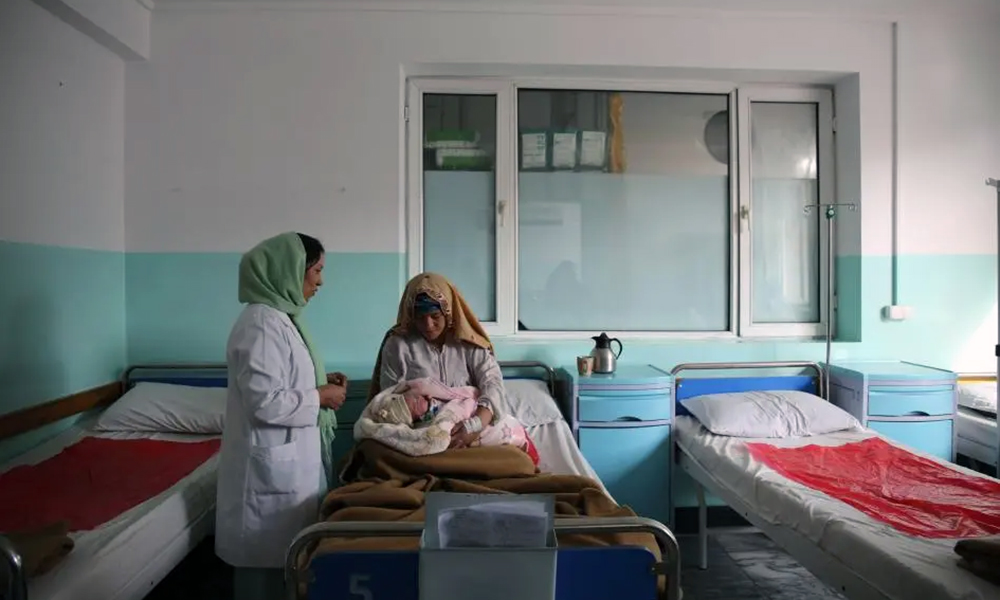
Afghanistan’s health sector continues to face mounting pressure as humanitarian organizations respond to rising disease outbreaks, large-scale population movements, and the lingering impact of natural disasters, according to the Afghanistan Health Cluster’s October 2025 bulletin issued by the World Health Organization (WHO).
Despite severe funding gaps and operational restrictions, 54 Health Cluster partners provided lifesaving health services to 512,679 people across all 34 provinces during the month.
Assistance was delivered through 862 health facilities in 310 districts, underscoring both the scale of need and the continued reliance on humanitarian actors to keep essential services running.
Between 1 September and 31 October, 25 Health Cluster partners supported the health response in Afghanistan’s eastern region — an area heavily affected by mass return movements from Pakistan and Iran.
In October alone, 15 partners provided health services to earthquake-affected populations, while 139,285 returnees were reached during the two-month period, including:
- 35,957 women
- 26,897 men
- 38,722 girls
- 37,659 boys
Humanitarian agencies warn that the influx of returnees, many with urgent health needs, is straining already fragile health infrastructure.
Disease outbreaks rising sharply
The bulletin highlights multiple disease outbreaks, with several conditions showing alarming increases in October:
- Acute Watery Diarrhea (AWD) with dehydration: 15,460 cases
- Acute Respiratory Infections (ARI)/Pneumonia: 118,090 cases and 197 deaths
- A 54.5% spike compared to September (76,430 cases)
- Measles: 3,721 cases
- Dengue fever: 1,826 cases
- Malaria: 15,253 cases (a 9.5% decrease from September’s 16,846 cases)
- Crimean-Congo Hemorrhagic Fever (CCHF): 120 cases
Measles and ARI outbreaks remain particularly concerning amid low vaccination coverage, harsh winter conditions, and limited access to primary healthcare.
Coordination and support strengthened
To streamline humanitarian health operations, 35 Memorandums of Understanding (MoUs) were reviewed in October, with 15 approved by the Ministry of Public Health (MoPH). Approvals are crucial for NGOs to maintain legal access and operate medical facilities across the country.
Emergency supplies distributed
As part of emergency preparedness efforts, WHO delivered 951 emergency medical kits to 114 health facilities in 26 provinces, enough to support an estimated 928,050 people for the next three months.
A health system under strain
Afghanistan’s healthcare system remains heavily dependent on humanitarian aid following years of conflict, economic collapse, and reduced international funding since 2021.
Recurrent border closures, harsh winter conditions, rising displacement, and ongoing outbreaks continue to drive up humanitarian needs.
The Health Cluster warns that without sustained support, essential services — particularly maternal and child health, vaccination coverage, and emergency response — risk severe disruption.
The October bulletin underscores both the immense challenges facing Afghanistan’s health sector and the critical role aid agencies play in sustaining basic health services for millions.

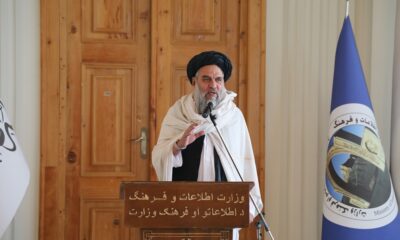
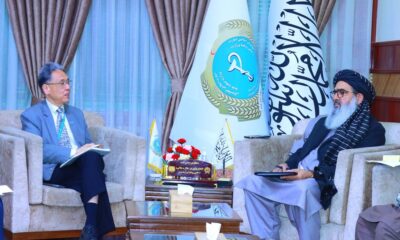



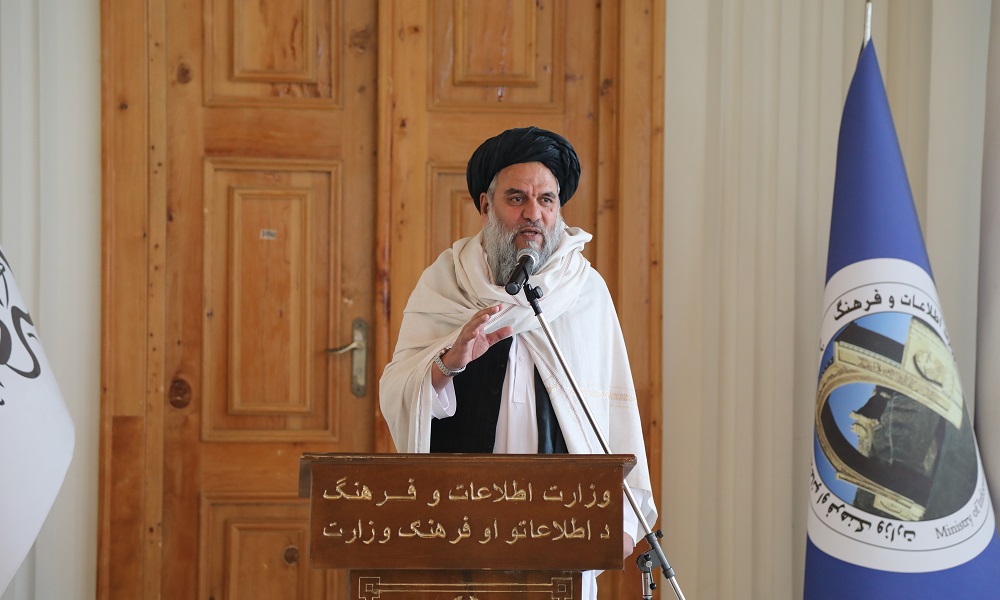
The Ministry of Information and Culture on Tuesday honored political analysts, journalists, and media officials for their effective work in carrying out their responsibilities during a gathering in Kabul.
The event was attended by Shir Ahmad Haqqani, Minister of Information and Culture, along with several other officials, political analysts, media representatives, and journalists.
Speaking at the gathering, the minister said that safeguarding the current system and maintaining security is the responsibility of every member of society.
“The stance of political analysts and the activities of the media during times of conflict play an important role in raising public awareness and fostering political understanding among the people,” he said.
He added that the interests of the Afghan people are shared and that protecting those interests is a collective responsibility.
According to the minister, the media have a duty to reflect facts clearly and convey a real and accurate image of the country to the world.
He also stated that there is no linguistic, regional, or ethnic superiority among the people of Afghanistan and that unity and brotherhood prevail in the country.
Latest News
Islamic Emirate calls recent U.S. designation on Afghanistan ‘regrettable,’ stresses dialogue
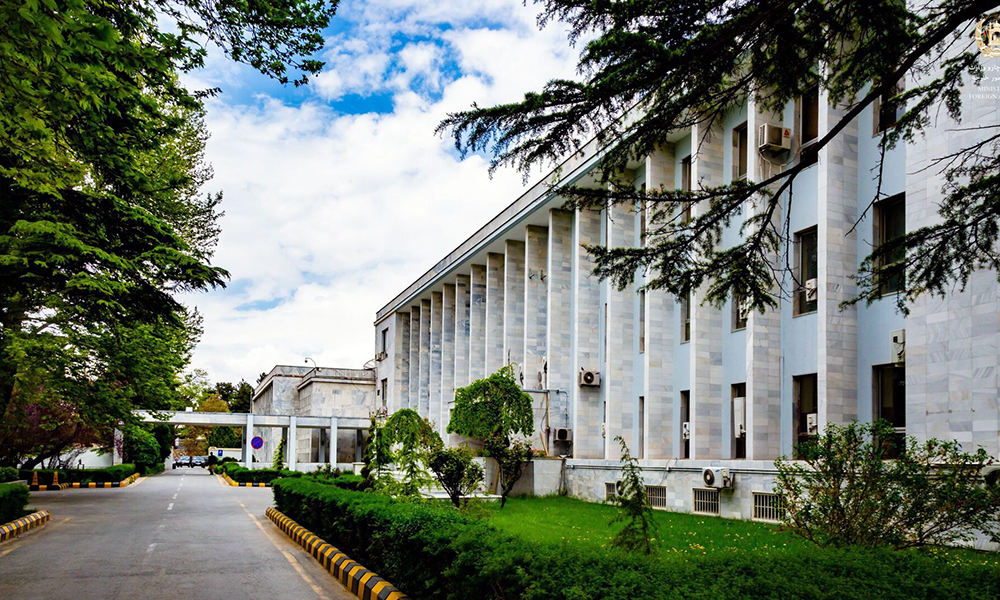
The Ministry of Foreign Affairs of the Islamic Emirate of Afghanistan has described the recent U.S. decision to designate Afghanistan as a “state sponsor of wrongful detention” as regrettable, emphasizing that disputes should be addressed through dialogue.
In a statement released on Tuesday, Abdul Qahar Balkhi, spokesperson for the ministry, said that citizens of no country are detained in Afghanistan for bargaining purposes. Instead, some individuals have been arrested on charges of violating the law, many of whom have later been released after completing legal procedures.
The ministry also noted that over the past year the Islamic Emirate has taken several positive steps regarding certain American citizens as a gesture of goodwill.
The statement further highlighted Qatar’s role in facilitating dialogue between Afghanistan and the United States, stressing the importance of continued engagement and resolving issues through diplomatic channels.
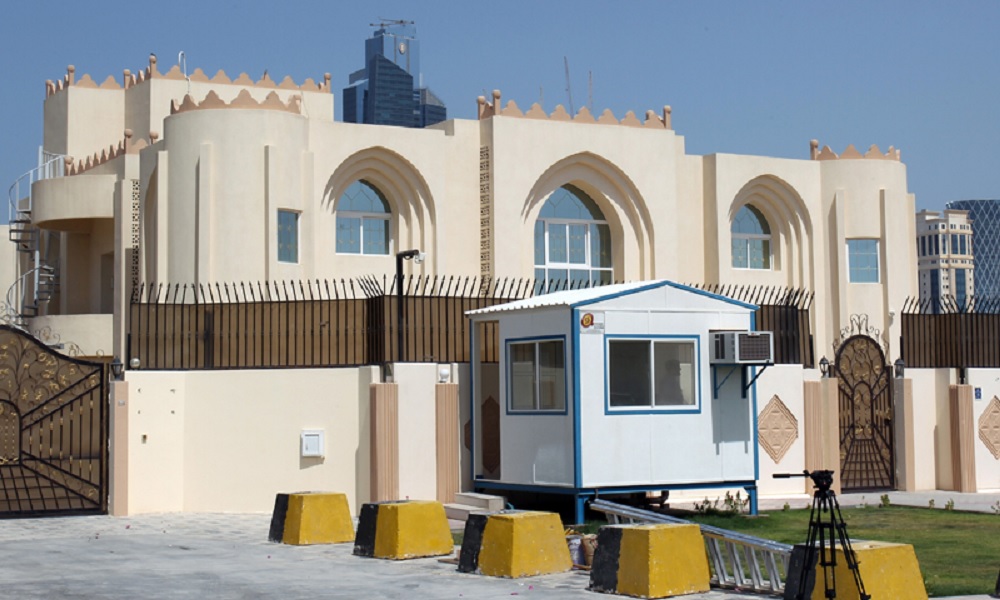
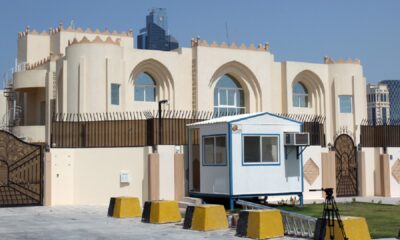
Reports claiming that Qatar has asked the Islamic Emirate of Afghanistan (IEA) to close its political office in Doha have been denied.
According to Doha News, sources at the Afghan embassy in Qatar said the claims are false and that no such request has been made by the Qatari government.
The sources emphasized that no decision regarding the closure of the office has been communicated to the Afghan side.
The IEA’s political office in Doha was established in 2013 to facilitate negotiations related to the conflict in Afghanistan.
The office later became a key venue for talks between the IEA and the United States, which ultimately resulted in the signing of the Doha Agreement in 2020.
The office has since remained an important diplomatic channel for discussions involving Afghanistan and the international community.


As many as 150 US troops wounded so far in Iran war: report

Tahawol: Demands to end Afghanistan–Pakistan conflict reviewed

Saar: Resolving Afghanistan-Pakistan tensions discussed

Trump tells Fox News it’s possible he would talk with Iran

Ministry of Information and Culture honors journalists and media officials

Pakistani military jet downed in Afghanistan’s Jalalabad, pilot captured alive

Afghan Air Force conducts airstrikes in Islamabad, other cities

IEA releases three Pakistani soldiers to mark Ramadan

Afghanistan’s Chief of Armed Forces underscores readiness and equipment for national defense

Afghanistan welcomes investment and technology partnerships with India
Tahawol: Demands to end Afghanistan–Pakistan conflict reviewed
Saar: Resolving Afghanistan-Pakistan tensions discussed

Tahawol: International Reactions to Iran’s Newly Appointed Leader

Saar: UN Security Council Meeting on Afghanistan discussed

Tahawol: Iran’s war with America and Israel discussed
-
 Latest News4 days ago
Prominent Muslim scholar issues fatwa calling for Afghanistan-Pakistan ceasefire
-
 Business4 days ago
Afghanistan steps in to replace Iran in supplying fruits and vegetables to Russia
-
 Latest News3 days ago
Afghanistan’s Virtue Ministry: Over 3,400 women’s rights complaints addressed in 10 months
-
 Latest News3 days ago
International Women’s Day: Khalilzad urges IEA to allow girls’ education
-
 Latest News5 days ago
Afghanistan says 327 Pakistani soldiers killed in ‘Radd-ul-Zulm’ operation
-
 Latest News4 days ago
Afghans among those injured in Iranian attacks on UAE
-
 Regional3 days ago
Majority consensus reached on Iran’s next supreme leader
-
 Latest News3 days ago
Turkey stresses importance of peace and stability in Afghanistan