
Latest News
Sharif says Kabul has shown no serious commitment to curb militant groups

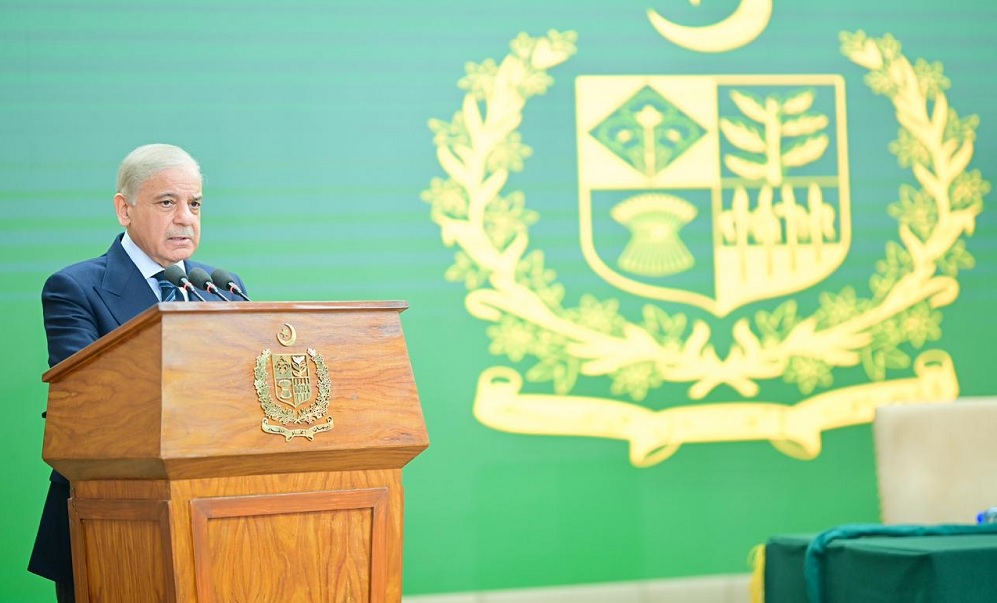
Pakistani Prime Minister Shehbaz Sharif said on Tuesday that Afghanistan’s Islamic Emirate has failed to make any serious commitment in response to Pakistan’s demands to curb the activities of militant groups.
Speaking at a security workshop in Islamabad focused on Khyber Pakhtunkhwa, Sharif said Pakistan did not want to suspend trade with Afghanistan, but ongoing security threats had “forced” Islamabad to close crossings.
He said Pakistan had made repeated diplomatic efforts to address its concerns, but Kabul had shown little willingness to commit to restraining militant groups operating from Afghan territory.
“This time, it must be decided whether Afghanistan wants to live peacefully or not,” Sharif said.
The prime minister added that while Afghans are “our brothers and sisters,” the Islamic Emirate should at least show compassion for its own people by preventing militant activity. He said Pakistan would nonetheless continue efforts to resolve the issue through dialogue.
Sharif said terrorism had largely been eradicated in Pakistan by 2018, but attacks have since resurged, now occurring almost daily in different parts of the country.
He also highlighted Pakistan’s long-standing role in hosting Afghan refugees, saying nearly four million Afghans have lived in Pakistan over several decades, often supported by Pakistan’s own resources despite international assistance.
“We did not do any favour; we fulfilled our responsibilities,” Sharif said. “But the way they are paying us back is very upsetting.”
Referring to the Doha Agreement, Sharif said Afghanistan had committed to preventing terrorist groups from using its soil against other countries, a pledge he said has not been honoured.
“What is good for Afghanistan is good for Pakistan, and what is good for Pakistan is good for Afghanistan,” he said, stressing that peaceful coexistence remains the only viable path forward.
Pakistani officials have repeatedly claimed that attacks inside Pakistan are planned from Afghan territory.
The Islamic Emirate has however continued to reject these allegations, insisting that Afghanistan is not responsible for Pakistan’s “security failures.”

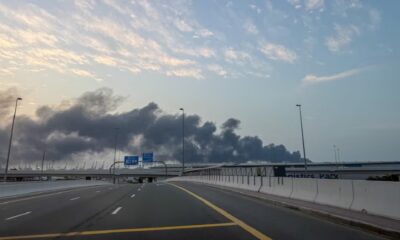
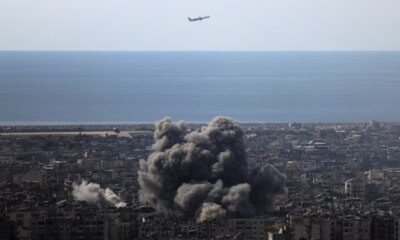



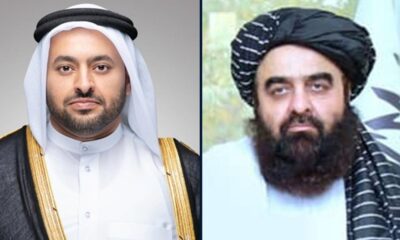

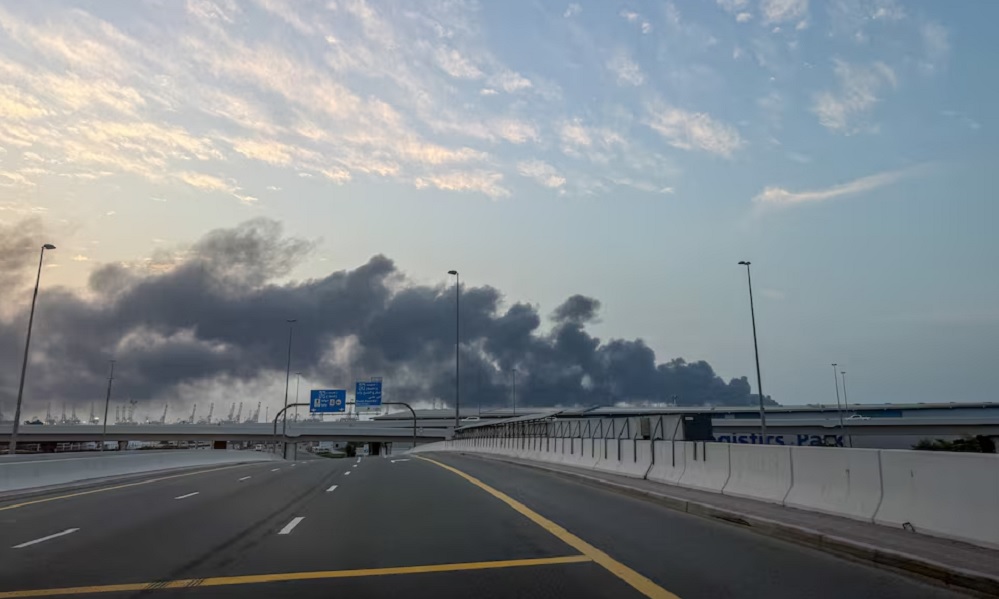
Afghan nationals were among dozens of people injured during recent missile and drone attacks launched by Iran against the United Arab Emirates, according to the UAE Ministry of Defence.
Authorities said the attacks caused over 100 minor injuries among residents of multiple nationalities, including Emirati, Egyptian, Ethiopian, Filipino, Pakistani, Indian, Bangladeshi, Sri Lankan, Lebanese and Afghan nationals.
The ministry also confirmed three fatalities — citizens of Pakistan, Nepal and Bangladesh — following the strikes.
The attacks are part of a wider escalation across the Middle East after US-Israeli strikes on Iran triggered retaliatory drone and missile launches against several Gulf states, including the UAE.
UAE Ministry of Defense said that since the start of the Iranian attacks, a total of 205 ballistic missiles have been detected, of which 190 were destroyed, 13 fell into the sea, and 2 landed within the UAE. During the same period, 1,184 Iranian drones were detected, with 1,110 intercepted, while 74 drones fell within the country’s territory.
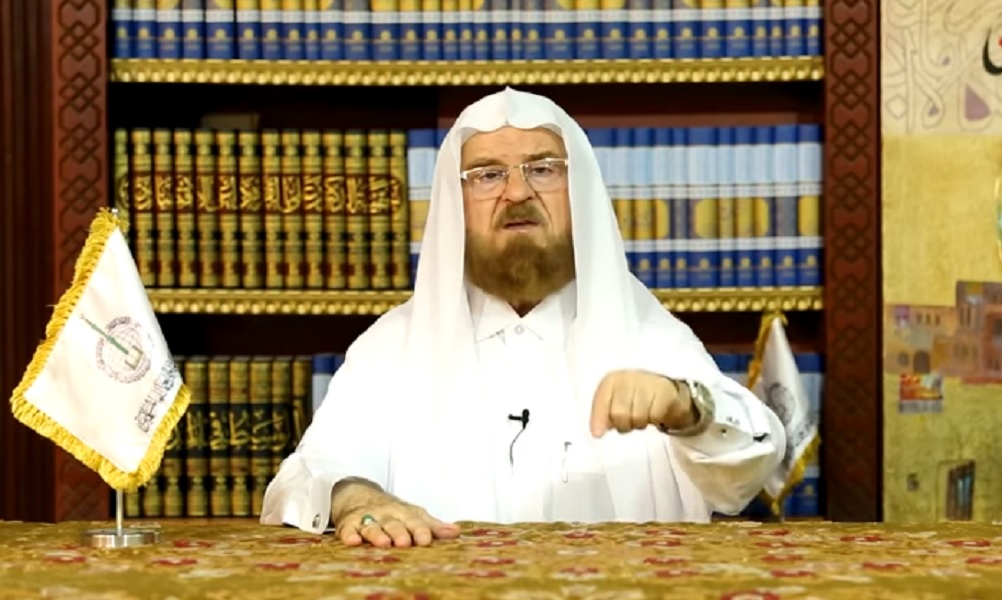
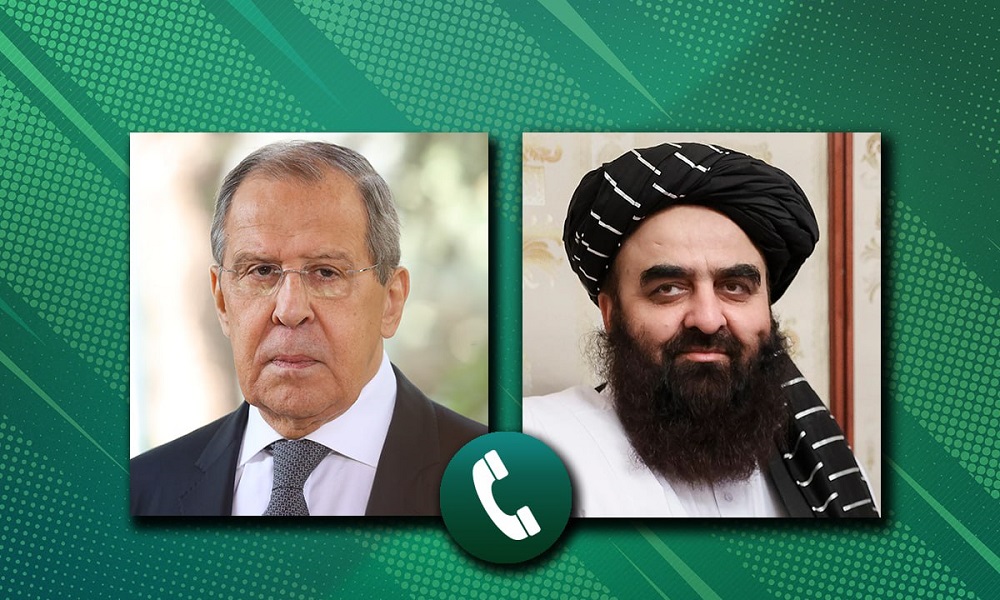
Sergey Lavrov, Russia’s foreign minister, said during a telephone conversation with Amir Khan Muttaqi, the foreign minister of the Islamic Emirate, that differences between Kabul and Islamabad should be resolved through political and diplomatic means.
According to a statement from the Russian Foreign Ministry, the two sides also discussed the prospects for reducing military and political tensions in relations between Afghanistan and Pakistan.
During the call, the Russian foreign minister also discussed the regional situation, including the negative and destabilizing consequences of the recent attacks on Iran.


Afghans among those injured in Iranian attacks on UAE

Iran war enters second week as Trump demands ‘unconditional surrender’

Prominent Muslim scholar issues fatwa calling for Afghanistan-Pakistan ceasefire

Tawsia: Impact of regional crisis on Afghan projects discussed

Russian foreign minister urges diplomatic solution to Kabul–Islamabad tensions

Pakistani military jet downed in Afghanistan’s Jalalabad, pilot captured alive

Afghan Air Force conducts airstrikes in Islamabad, other cities

IEA releases three Pakistani soldiers to mark Ramadan

Afghanistan’s Chief of Armed Forces underscores readiness and equipment for national defense

Afghanistan welcomes investment and technology partnerships with India
Tawsia: Impact of regional crisis on Afghan projects discussed

Saar: Sixth day of US–Israel war with Iran reviewed

Tahawol: Discussion on ongoing US–Israel war with Iran

Saar: Turkiye’s efforts to revive ceasefire between Kabul-Islamabad

Tahawol: Discussion on ongoing conflicts between Afghanistan and Pakistan
-

 Latest News5 days ago
Afghan air force strikes key Pakistani military installations in retaliatory operation
-
 Regional5 days ago
Middle East conflict intensifies; UK base in Cyprus targeted
-

 Regional5 days ago
Ayatollah’s wife dies from injuries sustained in airstrike on Tehran residence
-
 Latest News3 days ago
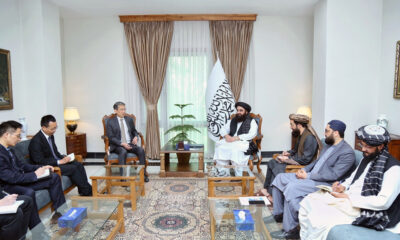
Amir Khan Muttaqi, Zhao Xing discuss regional security and violations of Afghan territory
-
 Latest News4 days ago
UNAMA calls for immediate halt to Afghanistan–Pakistan cashes
-

 International Sports5 days ago
AFC postpones Champions League matches amid escalating Middle East tensions
-
 Business5 days ago
Afghanistan records 33% rise in railway cargo transport
-

 Regional4 days ago
US Embassy, Consulates in Pakistan suspend visa services over security concerns