
Latest News
Watchdog reports a dramatic increase in civilian casualties


The Afghanistan Independent Human Rights Commission (AIHRC) on Sunday said in a new report that in the first six months of this year, 5,321 civilians have been killed or injured, a substantial increase against the same period last year.
According to the report, the AIHRC said in 1,594 different security incidents, a total of 5,321 civilians have been killed or injured in the first six months of 2021. Among these civilian casualties, 1,677 were killed, and 3,644 were injured.
This was in comparison to 2,957, including 1,213 killed and 1,744 injured, in the first six months of last year.
The AIHRC stated that a total of 154 women were killed and 350 wounded between January and June this year.
The number of women civilian casualties in the first six months of 2020 was 297 in total which included 126 killed, and 171 injured.
The watchdog reported that this meant there was a 69 percent rise in women civilian casualties in the first six months of 2021 in comparison with the first six months of 2020.
In the first half of 2021, the number of child casualties was 1,456 – 373 children were killed, and 1,083 others were injured.
The number of child casualties in the first six months of 2020 was 630 (225 killed, and 405 injured).
The comparison of the above figures clearly shows that war principles and International Humanitarian Law have been violated. The number of child casualties increased by 131% in the first six months of 2021 compared to the first six months of 2020.
AIHRC stated that according to its findings, out of the total number of civilian casualties in Afghanistan in the first six months of 2021, the Taliban is responsible for 56 percent, pro-government forces are responsible for 15 percent, Daesh is responsible for seven percent, and unknown perpetrators are responsible for 22 percent.
The Taliban is responsible for 2,978 civilian casualties (917 killed, and 2,061 injured) in the first six months of 2021, read the statement.
Unknown perpetrators were responsible for another 1,190 civilian deaths and injuries in the first half of this year, including 425 civilians killed and 765 civilians injured. These attacks have not been claimed by any groups or individuals.
In addition, 16 civilians have been harmed due to rocket attacks from Pakistan to Afghanistan territory in the first six months of 2021. This includes two civilians killed, and 14 others injured.
Daesh meanwhile was responsible for 343 civilian casualties (104 killed, 239 killed) in the first six months of 2021. In the first six months of last year, Daesh was responsible for 429 civilian casualties (145 killed, 284 injured).
A comparison of both periods shows 20 percent reduction in 2021.
The watchdog found that the use of IEDs, roadside mines and car bombs in the first half of the year accounted for 37 percent of the total civilian casualties.
The number of civilian casualties caused by explosions tripled in the first six months of 2021 compared with the same period in the previous year.
Targeted killings also increased sharply in the first six months compared to last year.
This year it accounted for 30 percent of the total number of civilian casualties. This includes 1,634 civilian casualties (696 killed, 938 injured).
The number of civilian casualties caused by targeted killings during the same period in 2020 was 945 in total which included 533 killed and 412 injured.
This shows a 110 percent increase in the number of civilian casualties caused by targeted killing in the first six months of this year compared with the same period in the previous year.
Rocket fire, sucide attacks, airstrikes, night raids and ground engagements were other key types of war tactics used, which led to civilian casualties.
This was followed by the Central Zone, Kabul, Wardak, Kapisa, Parwan, Panjsher, Ghazni, Bamiyan, Daikundi.
In addition to this, the AIHRC found that 39 power pylons were destroyed by unknown people in the first six months of 2021 in different provinces including Kabul, Parwan, Baghlan, and Kunduz.
In addition, the ongoing armed conflict in the current year has resulted in destruction of 130 bridges and culverts, 13 schools, and three clinics only in the first six months of 2021.
“The above statistics are alarming and obvious examples of violating war principles,” the watchdog said in the statement.
The AIHRC once again called on all parties to the conflict to respect the demands of the AIHRC and to implement its recommendations; otherwise, the responsibilities and consequences of violations will lie with the violators, causing civilians casualties and destruction of public facilities and the personal properties.
Their list of recommendations were as follows:
1. AIHRC believes that dialogue and negotiations are the most humane, logical, and effective ways to resolve conflicts and we are reiterating it more seriously and stressing our previous stances in this regard. The country’s problems can be solved behind the negotiating table, not on the battlefield;
2. The Commission once again calls on the United Nations, domestic and international organizations and institutions influencing the war and peace in Afghanistan, as well as the international community, to use all their resources, opportunities, and capacities to end the current violence and devastating war before it leads to more human catastrophes;
3. We call on the Taliban, more specifically and emphatically, to care the suffering of the Afghan people, respect the interests of the country, the collective rights and aspirations of its citizens; in order to resolve disputed issues and achieve a just peace, they should return to the negotiation table and meaningful dialogue and pave the way for a long-term ceasefire and peace;
4. All parties to the Afghan war are required to respect international humanitarian law and standards, as well as not diverge from the laws and regulations of war during armed conflict. Any infringement of these regulations will result in severe penalties for the violators, who will be tried fairly and judicially in all circumstances;
5. According to international humanitarian law, the deliberate and systematic killing and harming of civilians is a clear example of war crimes and crimes against humanity, and if such approaches are motivated by hatred of certain ethnic, religious, or social groups, they are considered genocide and cannot be forgiven. The Government of Afghanistan and the relevant international organizations must seriously prosecute the perpetrators of such crimes;
6. The use of people as human shield as well as war in residential areas, clearly causes enormous harm to civilians, particularly children and women, and is an evident violation of international humanitarian law. Neither side in the fight should employ such cruel and brutal tactics. Furthermore, hostage-taking, assassination, targeted killings, and extrajudicial trials cannot be justified, and no military unit should engage in such tactics;
7. We specifically call on the Taliban to treat detainees and prisoners in accordance with international humanitarian law, and to guarantee that no captives or detainees are punished or brutally killed as a result of the extrajudicial measures, and prevent retaliatory actions by their men;
8. Emotional remarks and the issuance of instructions contrary to international human rights and humanitarian principles by some Afghan government officials have raised serious concerns among civil society organizations, the AIHRC, and the country’s intellectual community; we urge the leadership of the Government of Afghanistan to refrain from such destructive and extra-legal approaches;
9. The Taliban leadership is strongly urged to investigate all cases of violations of international humanitarian law in areas under their control and to prevent further harm to the country’s civilian people by stopping anti-human rights actions by their militants and commanders. The leadership of the Taliban must explain to the Afghan people the results of its work in this regard;
10. We urge the government’s armed opposition to align its definition of civilians with international humanitarian law principles and to refrain from attacking Afghan government civil servants, civil society activists, human rights defenders, aid organizations, journalists, religious scholars, and dissidents. The armed opposition’s leadership must understand that continuing to violate international human rights and humanitarian standards would have major consequences for them;
11. We urge the armed opposition’s leadership, particularly the Taliban, to prevent the destruction of specially protected facilities in regions under their control, such as hydroelectric dams, historical and cultural sites, power generation sources, and hazardous energy sources. In addition to preventing the destruction and looting of public and private assets, the dominant groups in the region must also prohibit third-party looting and destruction of these resources;
12. According to AIHRC and international organizations, the Taliban’s use of roadside bombs and improvised explosive devices is a major cause of civilian casualties. Therefore, we urge the Taliban to stop this military tactics;
13. We urge the Afghan government to review its war policies and procedures, resolve the issues that result in civilian casualties, and hold the government’s military perpetrators accountable;
14. We call on responsible organs in the Afghan government to take planned, continuous, and systematic measures to improve the security of all citizens of the country, particularly ethnic-religious minorities, religious scholars, human rights defenders, media activists, and civil activists;
15. We urge the government and aid agencies to provide additional support to the injured, displaced people, and victims’ relatives. We further urge the Taliban to permit the presence and activity of aid organizations in areas under their control, so that the impoverished people and displaced persons affected by the fighting can be helped;
16. Afghanistan is a member of the International Criminal Court (ICC). The Commission urges the International Criminal Court not to be swayed by political pressures from any authority in undertaking a serious and comprehensive investigation into the international crimes committed in Afghanistan. It also calls on the United Nations to send a UN fact-finding mission to investigate the recent horrific incidents against civilians in Afghanistan in a fair and non-political manner, as requested by the AIHRC. We also call on the Government of Afghanistan to welcome the presence of this delegation and to pave the way for a more thorough investigation.






Latest News
Karzai calls for reopening schools and universities to Afghan girls on International Day of the Girl
Karzai said the day reminds the international community of its significant responsibility towards girls and urged everyone not to neglect their empowerment.
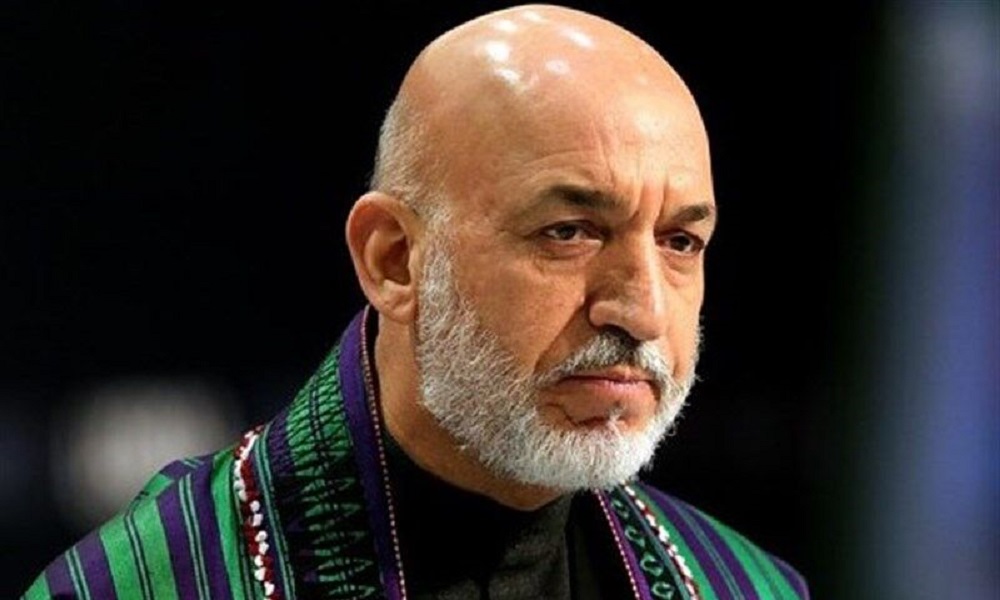
Former Afghan President Hamid Karzai has called for the empowerment of girls alongside boys, stressing the importance of providing them with full educational opportunities on the occasion of the International Day of the Girl.
Karzai said the day reminds the international community of its significant responsibility towards girls and urged everyone not to neglect their empowerment.
He emphasized that Afghanistan must focus more than ever on empowering girls to achieve growth and development. According to Karzai, this can only be achieved by ensuring that girls have access to all educational opportunities and can pursue higher education to serve their people and country.
Marking the occasion, the former president expressed hope that schools and universities would reopen to girls as soon as possible, allowing them to contribute to Afghanistan’s progress through their knowledge, expertise and skills, and become a source of pride for the country internationally.
Karzai also said the Afghan people, with their ancient cultural heritage and deep respect for women and girls, take pride in recognizing their position, achievements and courage at national and international forums.
Latest News
Muttaqi meets OIC deputy secretary-general to discuss expanding cooperation with Afghanistan
The ministry said the emergence of new opportunities across various sectors was also highlighted during the meeting.
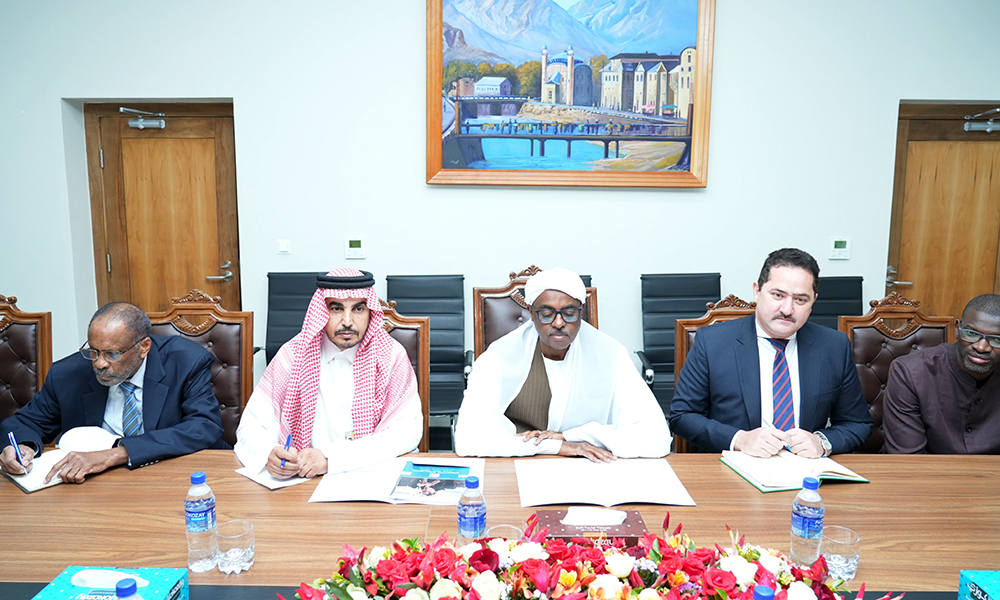
Afghanistan’s Ministry of Foreign Affairs says Foreign Minister Amir Khan Muttaqi has met with Ambassador Tariq Ali Bakheet, Deputy Secretary-General of the Organisation of Islamic Cooperation (OIC), to discuss bilateral relations and opportunities for expanded cooperation.
According to a statement issued by the ministry, the meeting began with congratulations on the appointment of the organisation’s new secretary-general. The two sides also discussed Afghanistan’s important place in the OIC’s vision and the need for constructive engagement with the country.
The discussions covered the situation in Afghanistan and the wider region, as well as political and economic developments in regional and international countries.
The ministry said the emergence of new opportunities across various sectors was also highlighted during the meeting.
At the conclusion of the talks, both sides stressed the importance of further strengthening relations between Afghanistan and the OIC and opening new avenues for cooperation.
Latest News
Afghanistan ranks third globally in deaths from unexploded ordnance, UNAMA warns
UNAMA urged people not to touch unfamiliar or suspicious objects and to report them immediately to the relevant authorities.
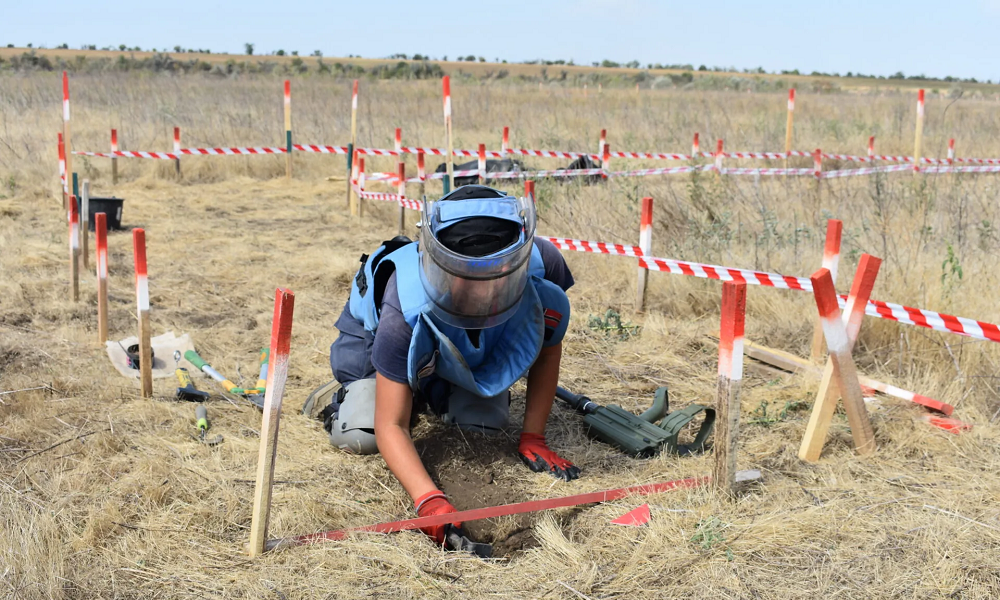
Afghanistan ranks third worldwide in fatalities caused by unexploded ordnance, with large areas of the country still contaminated by landmines and explosive remnants of war, the United Nations Assistance Mission in Afghanistan (UNAMA) has warned.
In a public message, UNAMA said the United Nations continues to seek funding for mine-clearance organizations working to remove landmines and other explosive remnants of conflict. These organizations also conduct awareness campaigns to educate communities about the dangers posed by unexploded devices.
Children are particularly vulnerable, accounting for 80 percent of all casualties caused by these explosive hazards, according to UNAMA. Many are injured or killed after encountering unexploded ordnance while playing.
The UN mission stressed that public awareness and collective action are essential to preventing further casualties and saving lives.
UNAMA urged people not to touch unfamiliar or suspicious objects and to report them immediately to the relevant authorities.
The warning highlights the continuing humanitarian consequences of decades of conflict in Afghanistan, where landmines and unexploded ammunition remain a serious threat to civilians, particularly children.
UNAMA called for sustained support for mine-clearance operations and stronger community awareness initiatives to reduce casualties and make contaminated areas safer.


Saar: Pakistan’s political, security and economic crises

Bangladesh take 329-run lead against Afghanistan in one-off Test

Afghanistan Champions League second half to kick off on October 16

Karzai calls for reopening schools and universities to Afghan girls on International Day of the Girl

Muttaqi meets OIC deputy secretary-general to discuss expanding cooperation with Afghanistan

EU and FAO launch €5m programme to strengthen Afghanistan’s agrifood sector

Omar Zawak, Toofan Herat secure victories in Afghanistan Champions League

Cricket Bonanza: Afghanistan set for packed international schedule

Houthi advance in Yemen puts U.S. in a new bind

New warnings reignite debate over AI threat to humanity
Saar: Pakistan’s political, security and economic crises

Saar: Ongoing expulsion of Afghan refugees from Iran and Pakistan discussed

Tahawol: CSTO meeting on Afghanistan reviewed

Saar: Guterres’s talks with Pakistani officials on Afghanistan discussed

Tahawol: Consequences of US war in Afghanistan reviewed
-

 Regional2 days ago
Trump says US will not attack Iran before midterm elections in November
-
 Business4 days ago
Baradar opens Fifth Imam Abu Hanifa International Exhibition in Kabul
-

 International Sports4 days ago
Lionel Messi bids tearful farewell to Argentina after 3-0 win over Benin
-
 Business3 days ago
Russia-Afghanistan trade surges 150% in first seven months of 2026
-
 World3 days ago
Denmark says Russia has conducted sabotage attacks against its defense firms
-

 World4 days ago
Vance says Iran must cut enrichment to end war
-

 World2 days ago
Witkoff, Kushner to meet Ukrainians for talks on the war, says US source
-

 Sport3 days ago
Arman FC defeat Istiqlal Kabul 3-2 in thrilling comeback