
Iran seeks broad expansion of cooperation with Afghanistan
Aref added that strengthening bilateral ties will help remove barriers and create new avenues for cooperation.

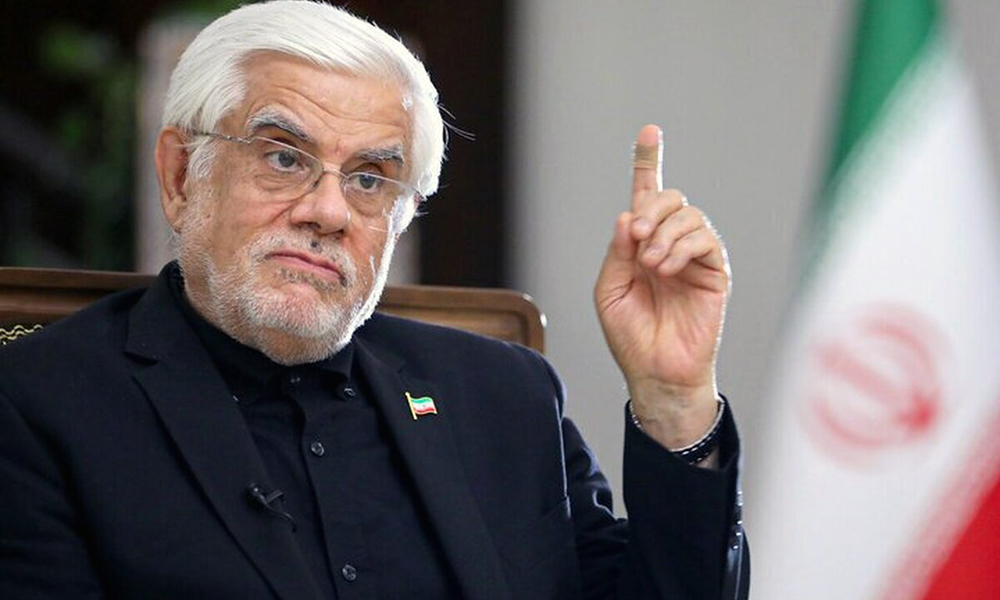
Iran’s First Vice President Mohammad Reza Aref says Tehran plans to significantly broaden its cooperation with Afghanistan, citing the long-standing cultural, economic, and social ties between the two neighbors.
Speaking at a coordination meeting on Afghanistan, Aref emphasized the need for a comprehensive cooperation framework between Iran and the Islamic Emirate of Afghanistan. He instructed all relevant ministries and institutions to submit their sector-specific proposals within a month so the plan can be finalized.
“The Comprehensive Iran–Afghanistan Cooperation Program should be drafted by the Joint Cooperation Commission and the Ministry of Foreign Affairs,” Aref said. “All ministries must send their specialized proposals within the set timeframe so the program can be completed and used as the basis for bilateral engagement.”
He noted that Afghan authorities have shown clear willingness to deepen relations with Iran. Over the past year, he said, increased trade exchanges, official communications, and sustained diplomatic engagement all point to a more constructive approach from Kabul.
Aref added that strengthening bilateral ties will help remove barriers and create new avenues for cooperation.
His remarks come as economic and trade relations between the two countries continue to grow. Annual trade has now reached $3.6 billion, making Iran one of Afghanistan’s biggest trading partners. Afghan economic officials say expanded cooperation with Tehran is mutually beneficial for both sides.
Aref also underscored the importance of cultural, academic, scientific, and technological collaboration, calling these pillars essential to Iran’s broader strategy toward Afghanistan. He stressed that engagement should extend beyond technical fields to include education and cultural exchange.
His comments coincide with the recent visit of Afghanistan’s Minister of Higher Education, Nida Mohammad Nadim, who traveled to Tehran at Iran’s invitation to discuss strengthening academic cooperation and sharing expertise.
As work continues on a comprehensive cooperation roadmap, officials from both countries express optimism that deeper engagement will support economic growth and contribute to greater regional stability.







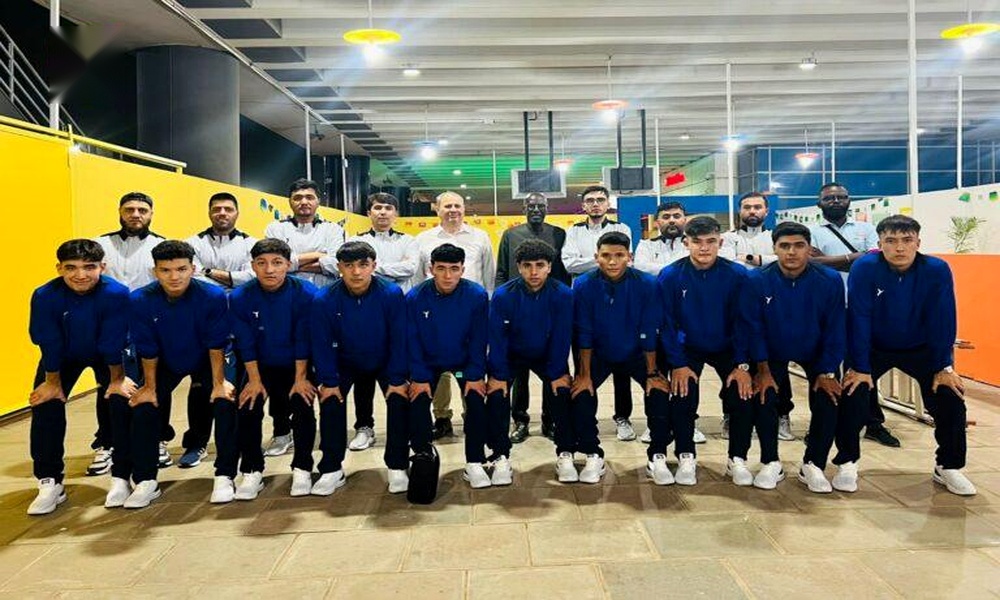
Afghanistan’s national under-18 futsal team arrived in Dakar, Senegal, over the weekend to prepare for the upcoming Dakar 2026 Youth Olympic Games, where they will face Panama, Argentina and hosts Senegal in the group stage.
The Afghanistan Football Federation (AFF) announced that the squad would undertake a six-day training camp in Senegal ahead of the competition, with support from the federation.
Coached by Behrouz Jafari, the Afghan side have been preparing for the tournament in Kabul and Tehran since October 5, in order to arrive in Senegal ready for the international challenge.
According to the announced schedule, the futsal competition will run from November 1 to 12, with Afghanistan facing a demanding group featuring two international opponents and the home side.
The Dakar 2026 Youth Olympic Games will take place from October 31 to November 13 across Dakar, Diamniadio and Saly.
The event marks the first time an Olympic competition has been hosted on African soil and is expected to bring together approximately 2,700 athletes from more than 200 National Olympic Committees.
The Games will feature a wide range of sports, including athletics, swimming, basketball, boxing, gymnastics, cycling, wrestling and futsal, celebrating young sporting talent and promoting international friendship and cultural exchange.
Ariana Radio and Television Network (ATN) has secured the exclusive television and digital media rights to broadcast the Dakar 2026 Youth Olympic Games across Afghanistan, bringing the international sporting event to audiences nationwide.
The coverage forms part of ATN’s ongoing commitment to delivering world-class sporting events to Afghan viewers and connecting young people with international competition.
Afghanistan’s participation in the futsal tournament will give audiences an opportunity to follow the country’s young athletes as they represent Afghanistan on the Olympic stage.
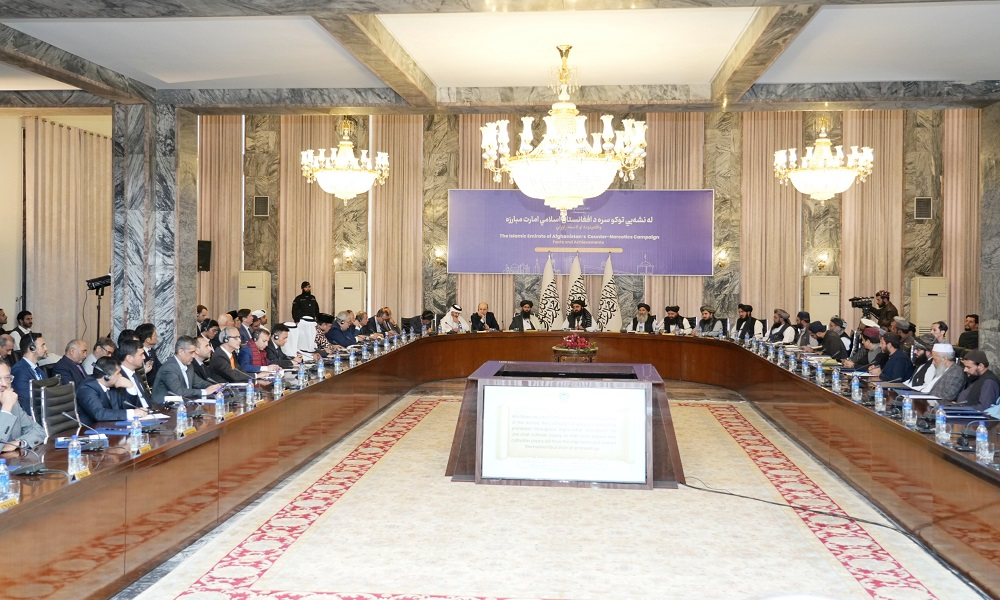
Afghanistan’s Ministry of Foreign Affairs says more than 25,000 anti-drug operations have been conducted in the country in 2026, resulting in the destruction of 26,500 hectares of poppy and cannabis crops and the arrest of 10,065 suspects.
The figures were announced at a meeting in Kabul titled “The Islamic Emirate of Afghanistan’s Fight Against Drugs: Facts and Achievements,” hosted by the Ministry of Foreign Affairs and attended by Islamic Emirate officials, foreign diplomats and representatives of international organizations.
Abdul Rahman Munir, deputy minister for counter-narcotics at the Ministry of Interior, said the operations also led to the discovery and closure of 301 drug-processing laboratories, two chemical pill factories and 15 alcohol-producing factories.
Foreign Minister Amir Khan Muttaqi said the enforcement of the decree banning drug cultivation, production, processing, trafficking and use reflected the authorities’ position on combating narcotics.
Muttaqi also raised concerns over widespread drug cultivation in Afghanistan’s neighboring countries and the trafficking of narcotics from those areas. He said international cooperation was necessary for the anti-drug campaign to achieve its objectives.
Meanwhile, Mohammad Naeem, the Foreign Ministry’s deputy minister for finance and administration, stressed the need to provide alternative livelihoods for farmers, support health centers, strengthen technical assistance and improve regional coordination to sustain progress in counter-narcotics efforts.
The meeting concluded with calls for continued efforts to combat drugs, expand alternative livelihood opportunities for farmers and strengthen regional and international cooperation.

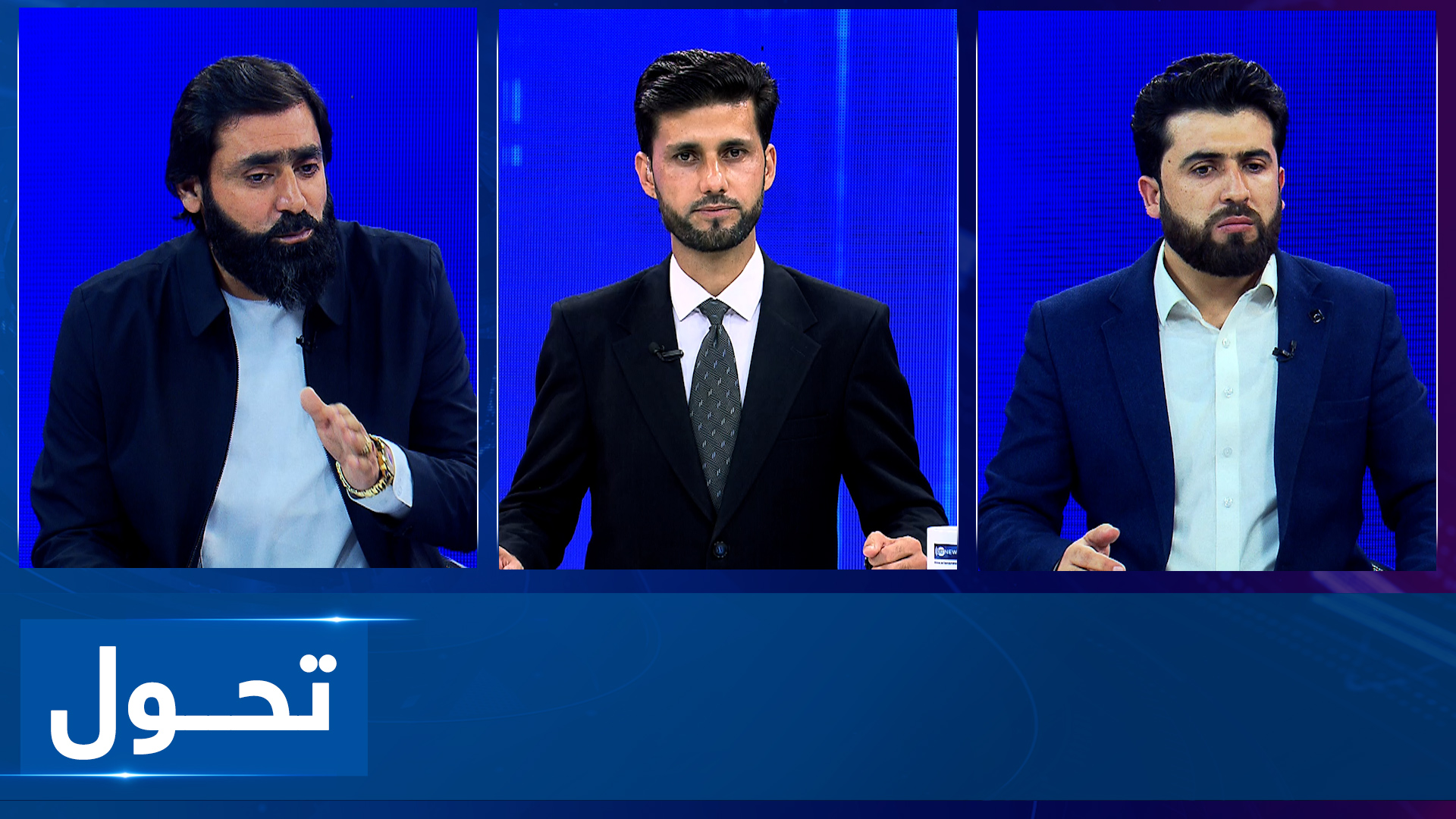
Tahawol: Emphasis on security cooperation at Tehran talks discussed
Afghanistan U-18 futsal team in Senegal ahead of Youth Olympic Games
Afghanistan reports over 25,000 anti-drug operations in 2026
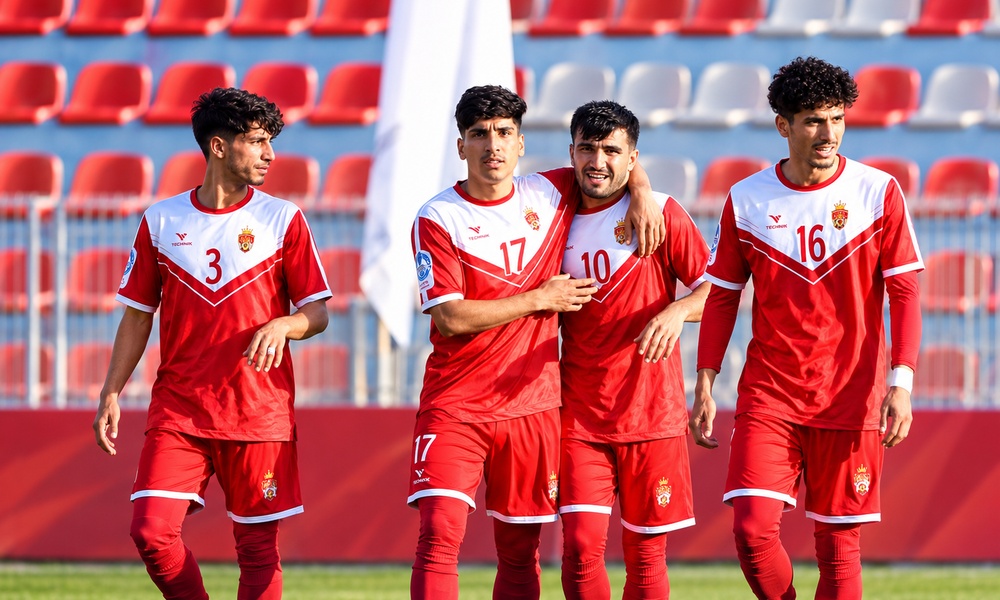
Sorkh Poshan Khafi cruise to 3–0 win over Toofan Herat in ACL season six
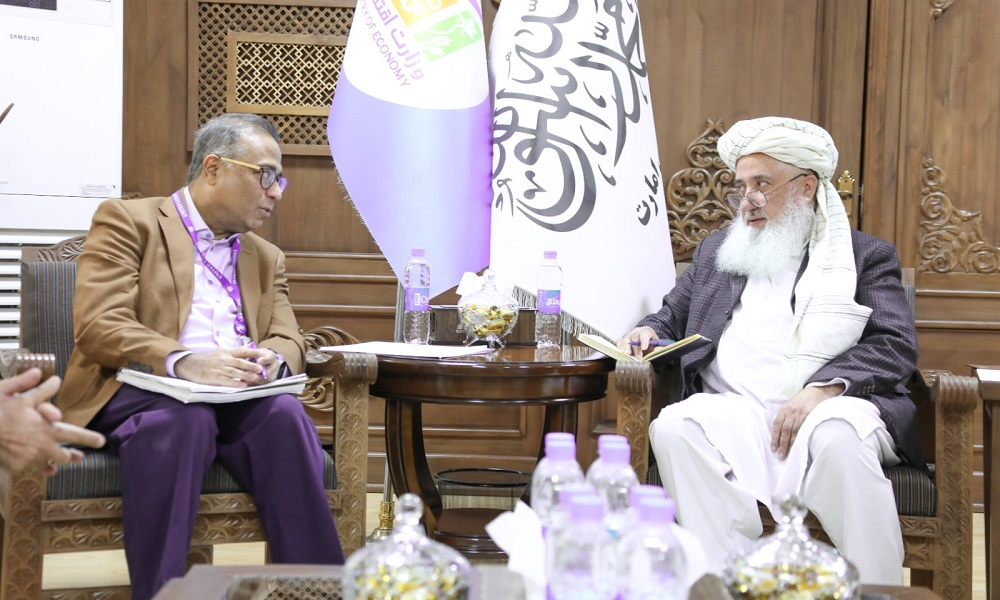
Afghanistan’s economy minister, UNDP representative discuss development cooperation

Cricket Bonanza: Afghanistan set for packed international schedule

Afghanistan on climate front line as Kabul faces groundwater warning

ACB announces Afghanistan squads for Bangladesh, Zimbabwe series

Afghanistan to face Pakistan, India and Australia at 2027 Cricket World Cup

Four members of one family killed in Helmand in Pakistan airstrike
Tahawol: Emphasis on security cooperation at Tehran talks discussed
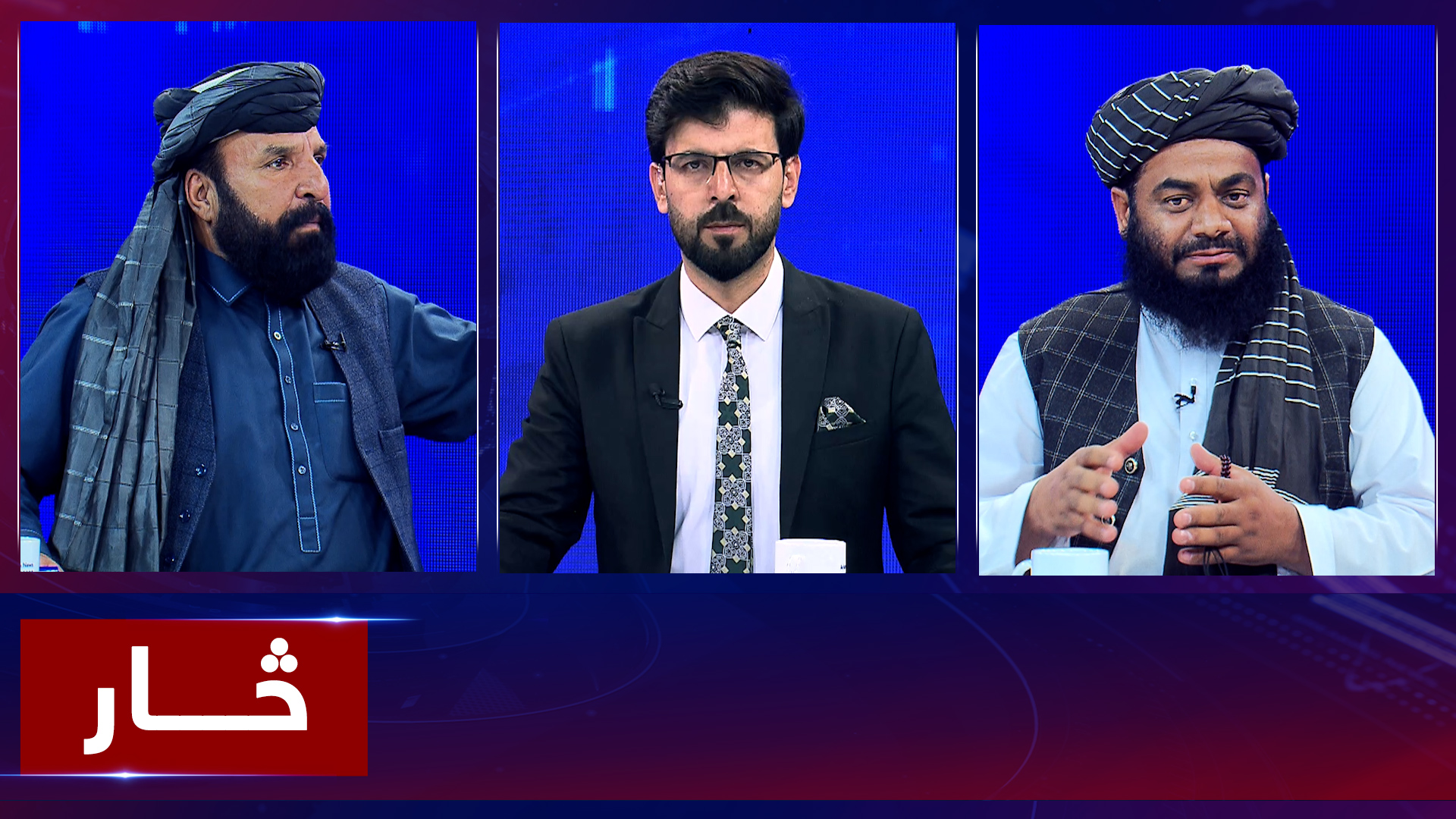
Saar: Pakistan threatening strikes on Afghanistan

Iran says outcome of Israeli elections ‘makes no difference’
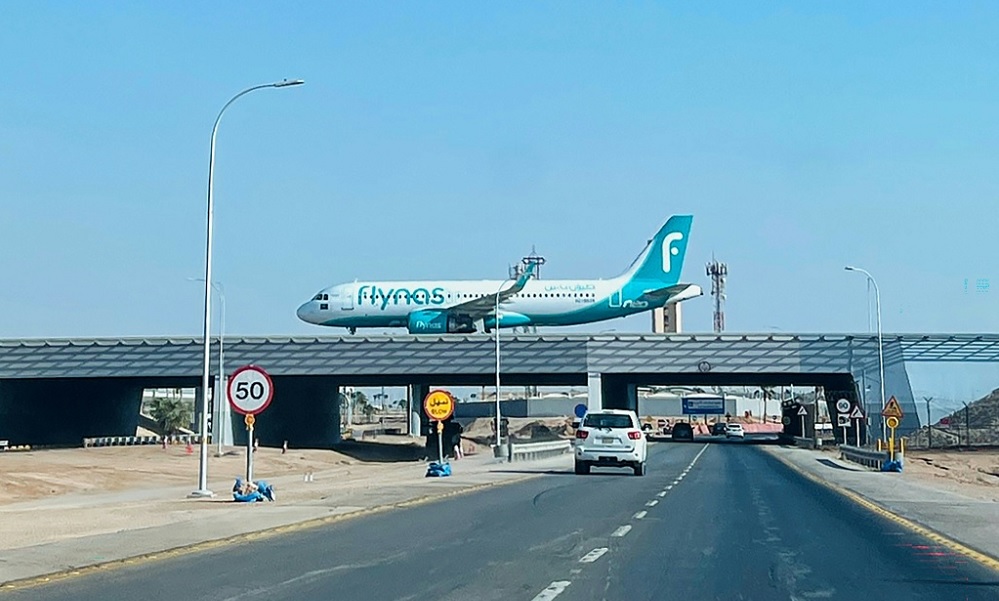
Houthis attack Saudi Arabia before high-stakes talks in Tehran
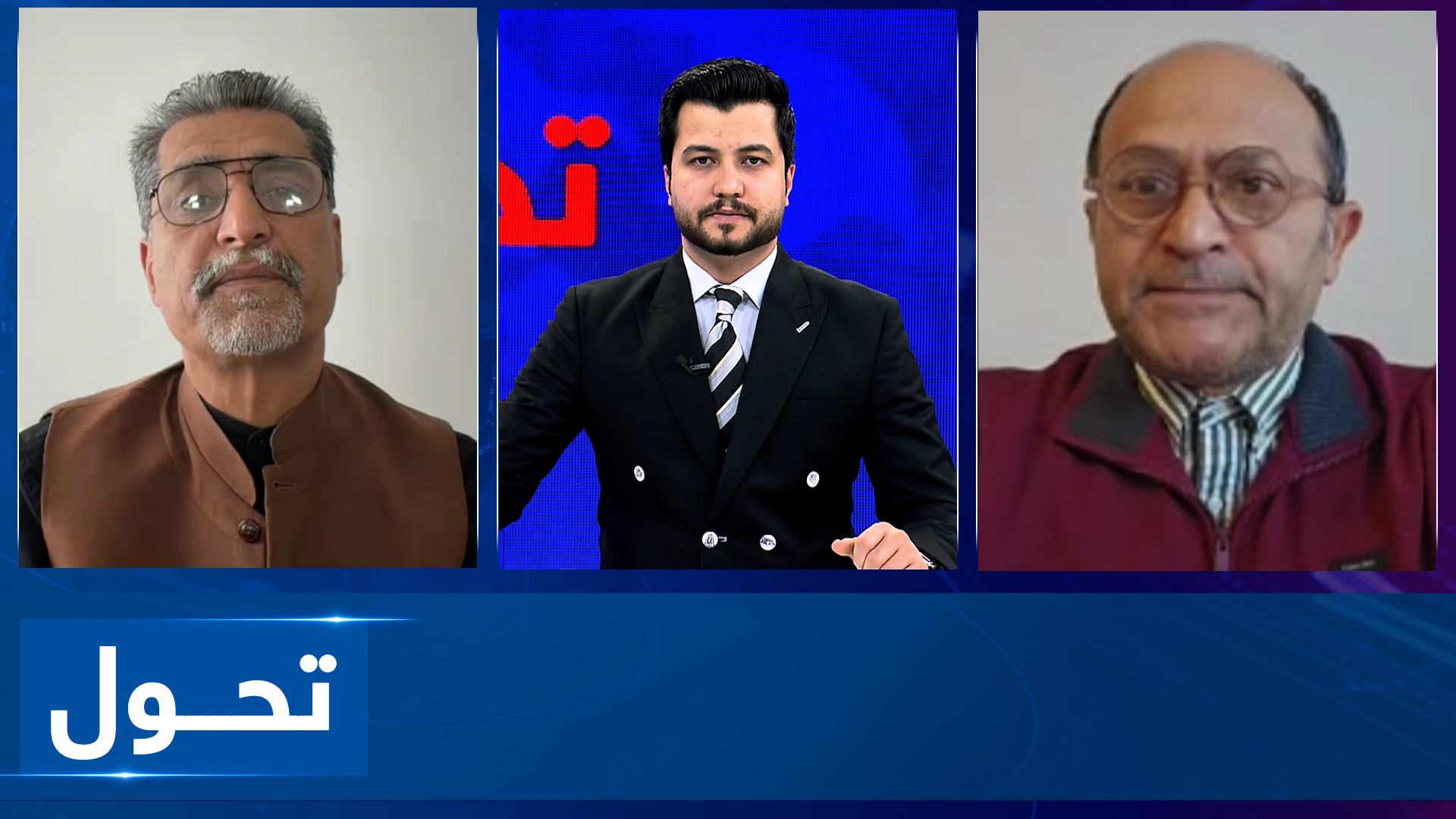
Tahawol: Ukraine war and ongoing peace efforts
-
 Latest News3 days ago
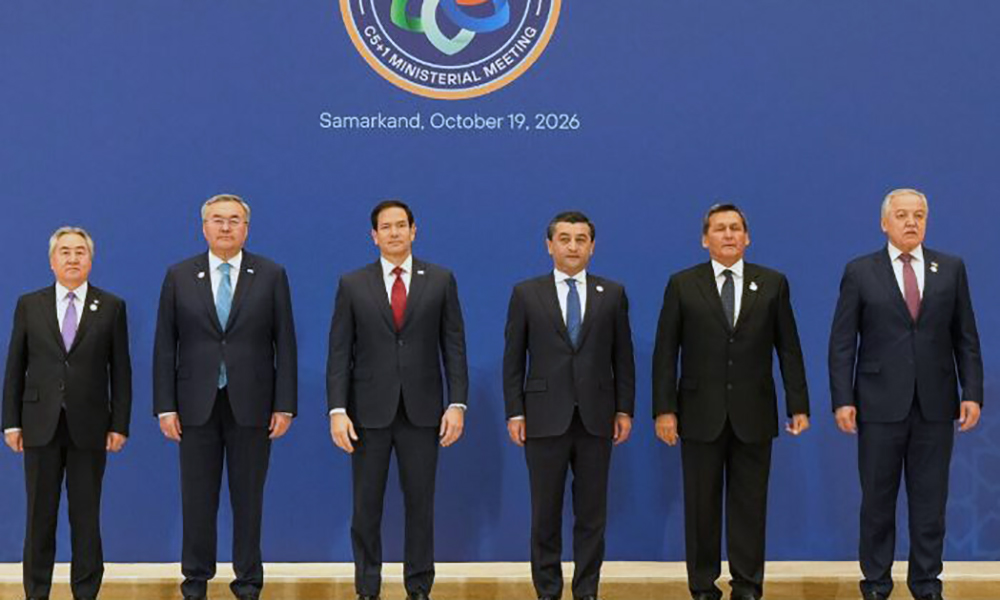
US Central Asia strategy faces challenges linked to Afghanistan’s political and security situation
-
 Business5 days ago
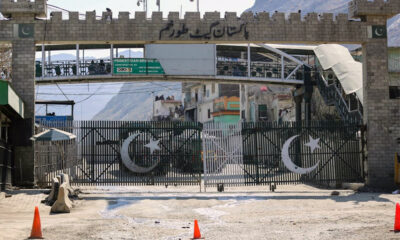
Pakistan exporters suffer billions in losses as Afghanistan trade halt continues
-
 Sport4 days ago
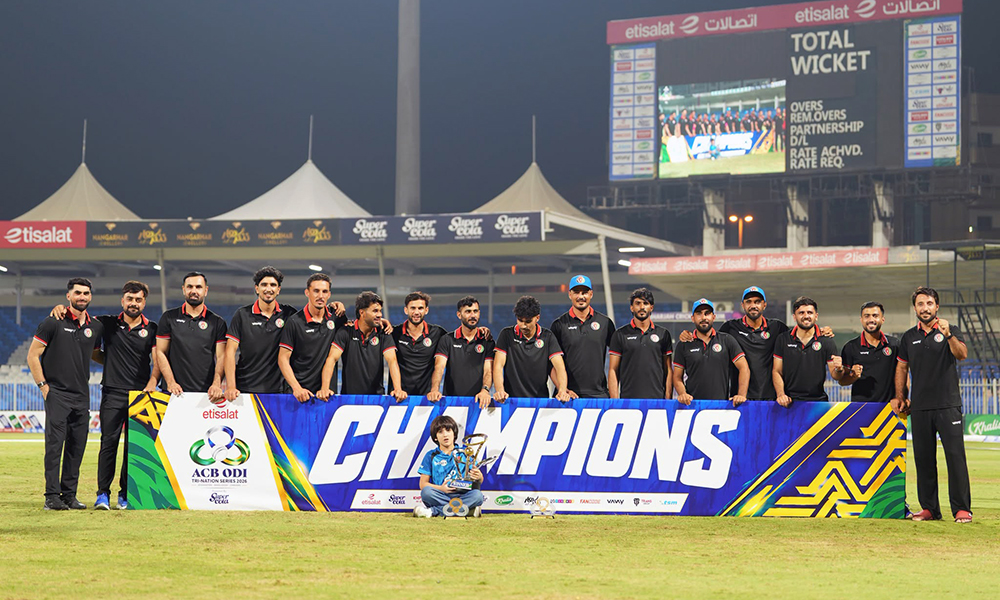
Afghanistan defeat Zimbabwe to win Tri-Series ahead of 2027 Cricket World Cup
-
 Business4 days ago
IMF forecasts 1.3 percent regional economic contraction in 2026
-
 Business3 days ago
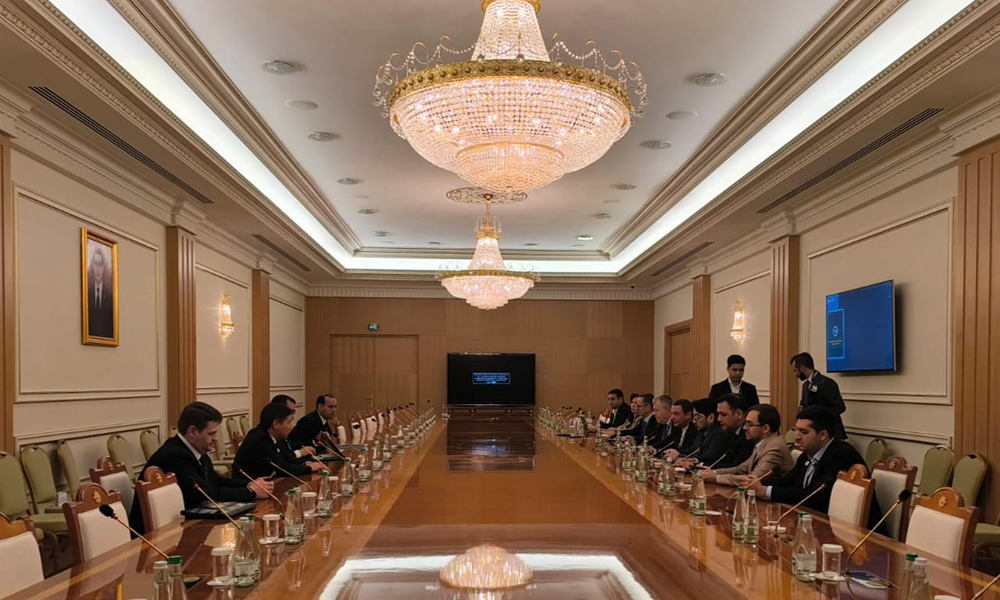
Turkmenistan targets 80 billion cubic meters of gas production in 2026
-
 Latest News4 days ago
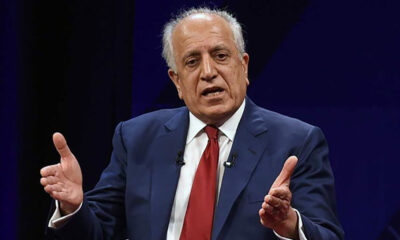
Khalilzad warns of worsening relations between Afghanistan and Pakistan
-
 Sport3 days ago
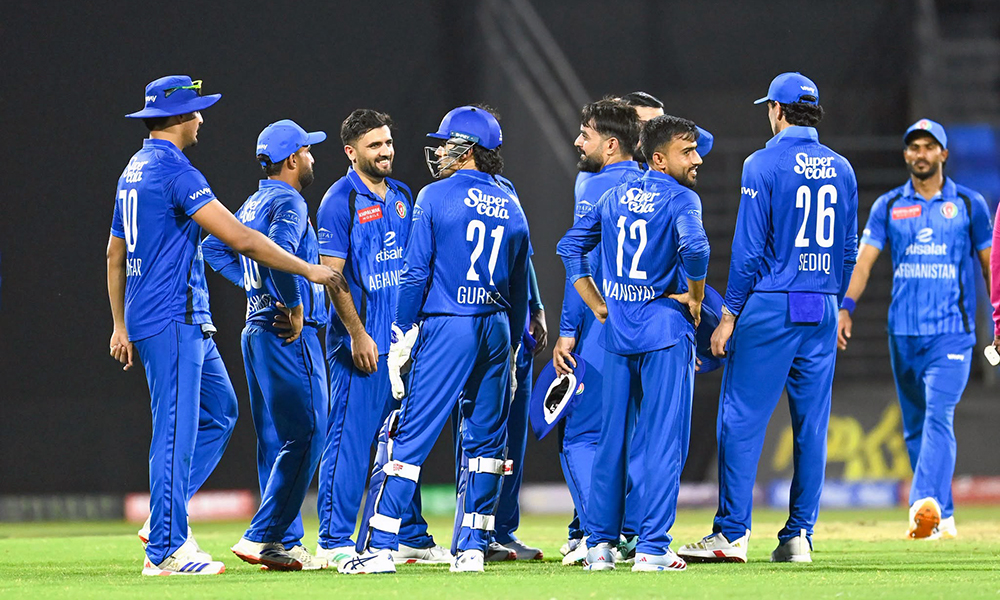
Afghanistan rise above England to match their highest-ever ODI ranking
-
 Latest News4 days ago
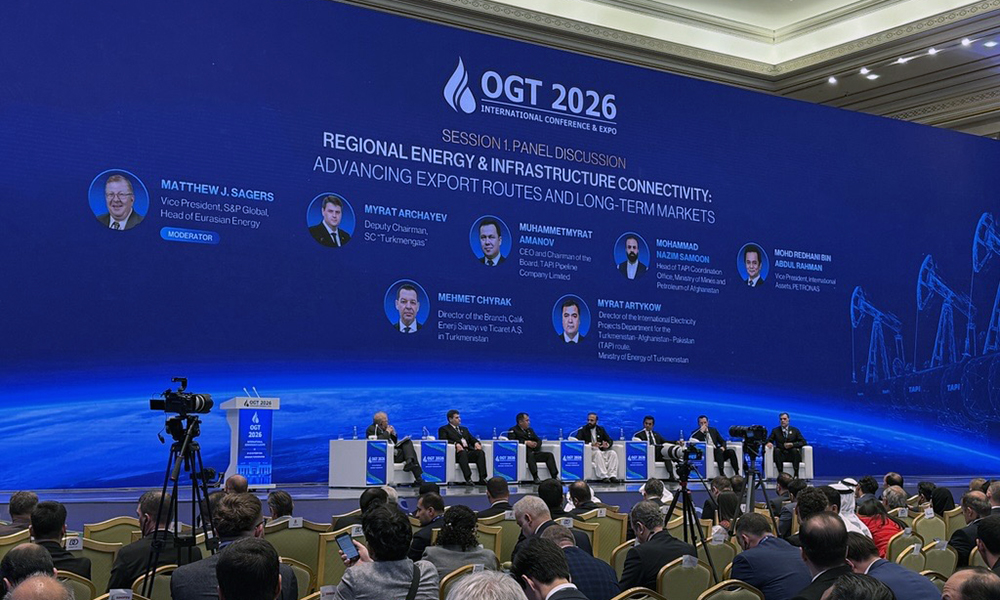
Turkmenistan says Kerki–Kabul power line could supply up to 800 MW to Afghanistan