
Health
EU provides extra $41 million for polio vaccines, child protection in Afghanistan


The European Union announced this week that it will provide an additional $26 million for polio vaccines and another $15.6 million for child protection in Afghanistan.
According to a statement issued by the EU, the funding for child protection will specifically be aimed at caring for migrant children at risk of violence, exploitation and abuse.
As Afghanistan’s economic and humanitarian situation continues to deteriorate, children across the country face violence and other threats to their safety, forcing them to make desperate decisions in order to survive, the EU’s statement read.
Many children and young people feel forced into labor, and some choose to take the risky journey out of Afghanistan. Last year, 88 percent of households had at least one child working outside the home under difficult conditions, the EU stated.
“The dangerous journey for children across borders, especially when traversed alone, places these migrant children at risk of violence, exploitation, and abuse,” says Andreas von Brandt, EU Ambassador to Afghanistan.
“That is why the EU is contributing an additional €15 million to UNICEF, to help identify boys and girls returning to Afghanistan who need help, and children at risk of migration, and give them options other than migration or labor.”
This money, provided as a continuation of EU support since 2018, will allow UNICEF to:
Provide psychosocial support to 18,000 unaccompanied minors, trace their families, ensure they are reunified and support them to reintegrate into their communities.
Provide vocational training, small business start-up or apprenticeships for 7,500 children and 500 adults.
Provide cash-based assistance to over 4,600 households most in need.
Reach out to over 230,000 community members to discuss the dangers of child migration and how it can be prevented or addressed.
Reach out to 140,000 men and women on preventing gender-based violence.
In addition, EU has contributed a combined $26 million to UNICEF and the World Health Organization to support polio vaccination campaigns across the country, especially at borders where children may be transiting.
“Afghanistan is one of the two remaining polio endemic countries in the world, and transmission often occurs when children move from Afghanistan to Pakistan and back, causing them to miss their regular vaccination appointments,” says Mohamed Ayoya, UNICEF Representative in Afghanistan.
“These funds will allow UNICEF and WHO to strengthen polio vaccination efforts to ensure all children in the country, and those crossing transit points, are vaccinated against polio.”




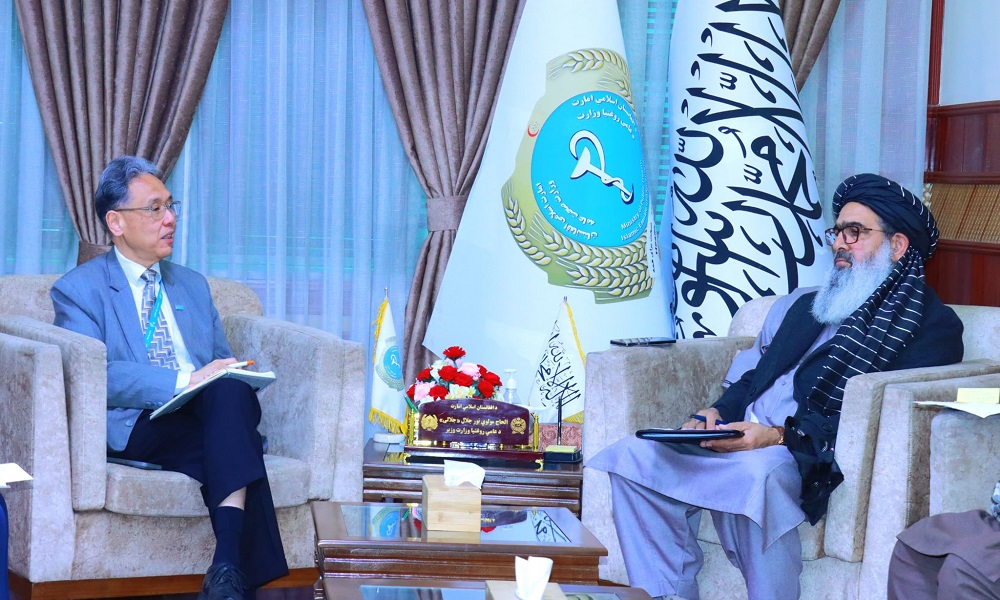
Afghanistan’s Minister of Public Health, Noor Jalal Jalali, met with the head of the World Health Organization in Afghanistan, Edwin Ceniza Salvador, to discuss expanding healthcare services and strengthening coordination in the country.
According to a statement issued Tuesday by the Ministry of Public Health, the meeting was attended by officials from the WHO and other representatives and focused on key health sector priorities and areas of mutual cooperation.
Participants discussed the expansion of health services across Afghanistan, capacity-building initiatives for healthcare workers, and the development of cancer-related services. They also reviewed operational coordination, transparency in the delivery of health services, and preparations for upcoming health-related meetings.
During the meeting, Jalali emphasized the importance of aligning health projects and services with the ministry’s national policies and strategic documents.
He stressed that all health initiatives should be implemented based on the priorities and needs identified by the Ministry of Public Health.
The minister also urged WHO officials to enhance transparency and strengthen coordination with the ministry while taking practical steps to improve the quality of health services and ensure broader public access to healthcare across the country.
For his part, Salvador reaffirmed the WHO’s commitment to maintaining close cooperation with the Afghan health ministry and to delivering essential health services in accordance with the ministry’s policies and priorities.
Health
Afghanistan faces acute shortage of specialist doctors, officials urge ethics and expansion of health services
Noor Jalal Jalali, the Minister of Public Health, said the ministry is making sustained and intensive efforts to address the gap and expand access to healthcare services in remote and underserved areas of the country.
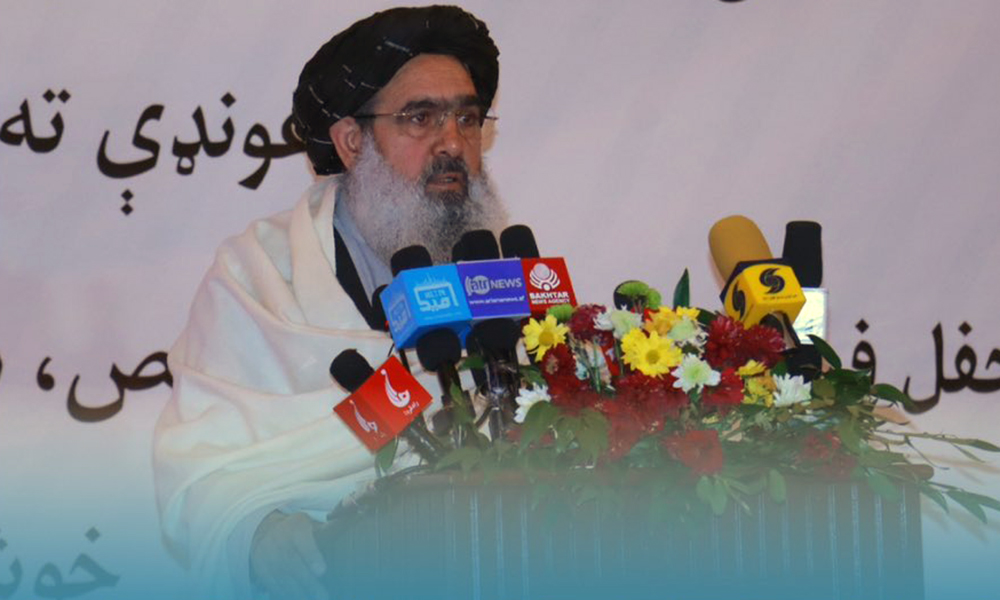
Afghanistan is continuing to face a serious shortage of specialist doctors, health officials said during the graduation ceremony of specialist physicians from the General Directorate of Medical Specialization for the year 1404.
Noor Jalal Jalali, the Minister of Public Health, said the ministry is making sustained and intensive efforts to address the gap and expand access to healthcare services in remote and underserved areas of the country.
According to Jalali, hospitals are still absent across 318 districts nationwide. He added that initial construction work for hospitals has been completed in 100 of these areas, stressing that strengthening health infrastructure and training qualified specialists remain top priorities for the ministry.
Jalali also called on doctors and health officials to uphold their professional and religious responsibilities by treating patients with compassion, dignity, and good conduct. He emphasized that medical practice should not be driven by material gain, but by the pursuit of public service and the well-being of the people.
Speaking at the same ceremony, Hamdullah Nomani, Minister of Communications and Information Technology noted a decline in public trust toward some medical professionals, saying that despite the presence of many committed and ethical doctors, the behavior of a few motivated solely by financial gain has undermined patient confidence. He urged newly graduated specialists to serve with sincerity and restore public trust in Afghanistan’s healthcare system.
Meanwhile, Abdul Wali Sadiqi, the financial and administrative deputy minister of public health, advised graduates to remain committed to their profession, fulfill their responsibilities honestly, and serve the public with dedication. He stressed that efforts in national service should match those made in personal affairs.
In addition, Abdul Baqi Haqqani, head of the National Examinations Authority, highlighted that humans carry two fundamental responsibilities: worship of Allah and preservation of health, underscoring the vital role doctors play in safeguarding public health.
Health sector experts say Afghanistan now needs skilled and professional medical personnel more than ever, calling for increased investment in specialist training and healthcare infrastructure to meet the country’s growing needs.
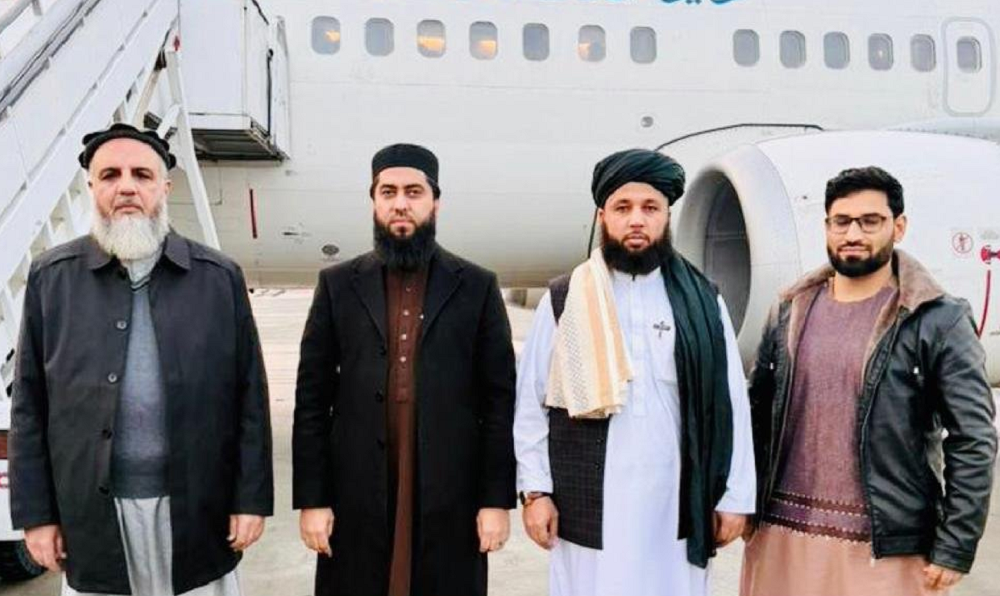
Naemullah Ayoubi, Director General of Drug and Health Products Regulation at Afghanistan’s Ministry of Public Health, has departed for Turkey on an official visit accompanied by a technical delegation.
The Ministry of Public Health said the delegation will hold meetings with officials from Turkey’s pharmaceutical regulatory authority and discuss a number of key issues related to the regulation of medicines and health products.
The delegation is also scheduled to visit several pharmaceutical manufacturing factories in Turkey.
According to the ministry, the visit aims to strengthen coordination between the two countries in the production and import of medicines, in order to ensure the availability of high-quality and affordable pharmaceuticals for people in Afghanistan in both the short and long term.


Tahawol: Afghan, Chinese FMs’ phone talks discussed

Saar: UN meeting on UNAMA mission in Afghanistan discussed

India condemns Pakistani airstrikes on Afghanistan

RGC navy commander claims attacks on three US military bases

14 Pakistani soldiers killed after military post falls along Durand line: MoD

Pakistani military jet downed in Afghanistan’s Jalalabad, pilot captured alive

Afghan Air Force conducts airstrikes in Islamabad, other cities

IEA releases three Pakistani soldiers to mark Ramadan

Afghanistan’s Chief of Armed Forces underscores readiness and equipment for national defense

Afghanistan welcomes investment and technology partnerships with India
Tahawol: Afghan, Chinese FMs’ phone talks discussed
Saar: UN meeting on UNAMA mission in Afghanistan discussed

Exclusive interview with Stephen Rodriguez, UN Development Programme Representative in Afghanistan

Tawsia: Trade agreement between Afghanistan-Uzbekistan

Tahawol: Discussion on intensification of attacks in Middle East
-
 Sport4 days ago
Afghanistan’s white-ball series against Sri Lanka postponed
-
 Latest News1 day ago
Afghan airstrikes target Pakistani military sites in retaliation for air attacks
-
 Latest News5 days ago
Russia, China and UK urge Afghanistan and Pakistan to resolve issues through dialogue
-
 Latest News5 days ago
Trump envoy warns Afghanistan could face fate similar to Iran or Venezuela over detained Americans
-
 Latest News4 days ago
Reports about closure of IEA’s Doha office denied
-
 Latest News1 day ago
IEA condemns Pakistan’s airstrikes in several Afghan provinces
-
 Regional5 days ago
Iran says oil blockade will continue until attacks end, Trump threatens to hit harder
-

 Business3 days ago
Uzbekistan ratifies preferential trade agreement with Afghanistan