
Health
Health ministry says 2,000 people died from heart disease in past 18 months

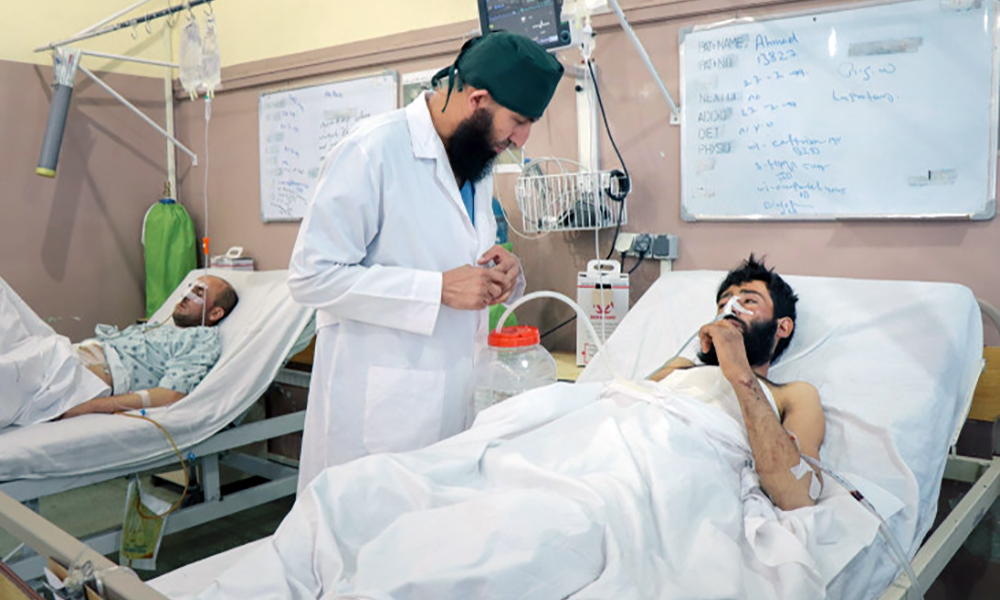
The Ministry of Public Health said on Sunday at an event to mark World Heart Day that 2,000 people in the country died from heart disease in the 18 months.
According to officials, up to 6,000 people are diagnosed with heart disease every year.
Non-communicable cardiovascular disease is considered one of the ten deadly diseases in the world.
Ministry of Health officials say; from March 2022 to October 2023, more than 6,000 people have been diagnosed with heart problems and that 2,000 people died in this time.
“In the past year, 26,946 people with heart disease have come to us, and these patients have been provided with in- and out-patient services, and nearly 2,000 people with heart disease who were elderly or had high blood pressure and other diseases, died,” said Sharaf Zaman Amarkhel, the spokesperson for the Ministry of Health.
According to doctors, the main causes of cardiovascular diseases are smoking, alcohol, unhealthy diet, lack of exercise, and obesity. This can lead to high cholesterol, and high blood pressure, officials said.
“Unfortunately, in our society, people use a lot of oil and salt, and we still don’t exercise alongside it,” said Haider Khan Haider, Director General of Disease Prevention and Control of the Ministry of Public Health.
However, officials of the Association of Cardiovascular Doctors say that the institution performs up to four heart operations daily.
“Keeping the heart healthy is not a one-day job, but requires a long-term commitment. Our message is clear; have a balanced diet, be active and take care, and let’s prefer drinking water over other soft and energy drinks,” said Abdulwahid Siddiqi, the head of the Afghan Cardiovascular Doctors Association.
Cardiovascular disease affects millions of people around the world and an estimated 20 million people die from it annually.








Health
Afghanistan, Uzbekistan move to expand cooperation in pharmaceutical sector
The two sides discussed expanding cooperation in the production and regulation of medicines and health products.
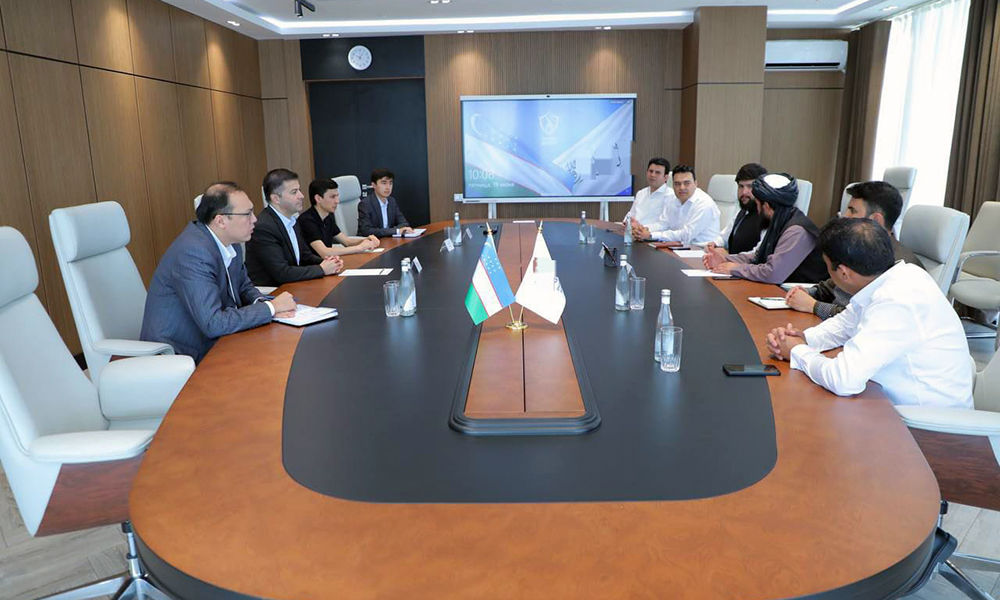
Afghanistan’s Ministry of Public Health has announced that Abdul Basir Qane, Director General of Drug and Health Products Regulation at the ministry’s Food and Drug Deputy, held talks with Uzbek health officials during his visit to Uzbekistan to strengthen bilateral cooperation in the pharmaceutical sector.
According to a statement issued by the ministry, Qane and his technical delegation met with Abdullah Azizov, head of Uzbekistan’s regulatory authority for medical and pharmaceutical industries, along with other senior officials.
The two sides discussed expanding cooperation in the production and regulation of medicines and health products, facilitating the entry of Uzbek pharmaceutical manufacturers into the Afghan market, implementing inspections in line with Good Manufacturing Practice (GMP) standards, streamlining the registration process for medicines, and increasing bilateral trade in pharmaceutical products.
The discussions also covered the development of laboratory infrastructure, capacity building and training for specialists, the exchange of expertise in regulatory and inspection fields, and broader technical and professional cooperation between the two countries.
At the conclusion of the meeting, both sides reaffirmed their commitment to strengthening long-term cooperation in the pharmaceutical and health products sector, supporting the activities of pharmaceutical companies in both markets, and continuing dialogue on mutually beneficial joint projects, the ministry said.
Health
Polio cases in Afghanistan rise to six in 2026 as two new cases confirmed
According to the WHO, one of the newly confirmed cases was identified in Nari district of Kunar province, while the other was reported in Nahr-e-Siraj district of Helmand province.
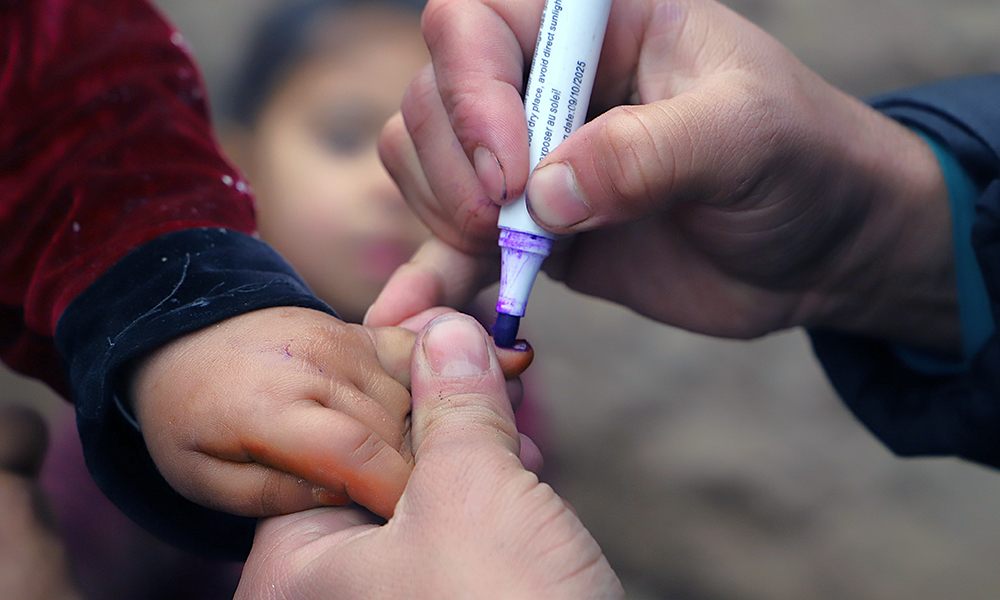
The World Health Organization (WHO) has announced that the number of confirmed polio cases in Afghanistan has risen to six in 2026, following the detection of two new infections in the country.
According to the WHO, one of the newly confirmed cases was identified in Nari district of Kunar province, while the other was reported in Nahr-e-Siraj district of Helmand province. The organization also stated that 34 positive environmental samples of wild poliovirus have been recorded in Afghanistan so far this year.
The report adds that in 2025, a total of 52 wild poliovirus type 1 cases were confirmed across Afghanistan and Pakistan, including 21 cases in Afghanistan and 31 in Pakistan.
WHO further noted that in 2026 so far, nine wild poliovirus type 1 cases have been reported across both countries, with six in Afghanistan and three in Pakistan.
Health experts say that low public awareness, resistance from some families to vaccination campaigns, and limited access to remote areas remain key factors behind the continued spread of the disease.
They emphasize that polio is incurable and vaccination is the only effective way to prevent infection.
Public health specialists also stress the need to expand immunization coverage, particularly in hard-to-reach areas, and to strengthen public awareness campaigns, warning that eradication efforts will remain difficult without broad community cooperation.
Afghanistan and Pakistan remain the only two countries in the world where wild poliovirus is still endemic and has not been fully eradicated.
Health
Health ministry urges greater public participation in blood donation
The appeal was made on Saturday as health officials marked World Blood Donor Day, an annual event aimed at raising awareness about the importance of voluntary blood donation and recognizing the contribution of donors in saving lives.
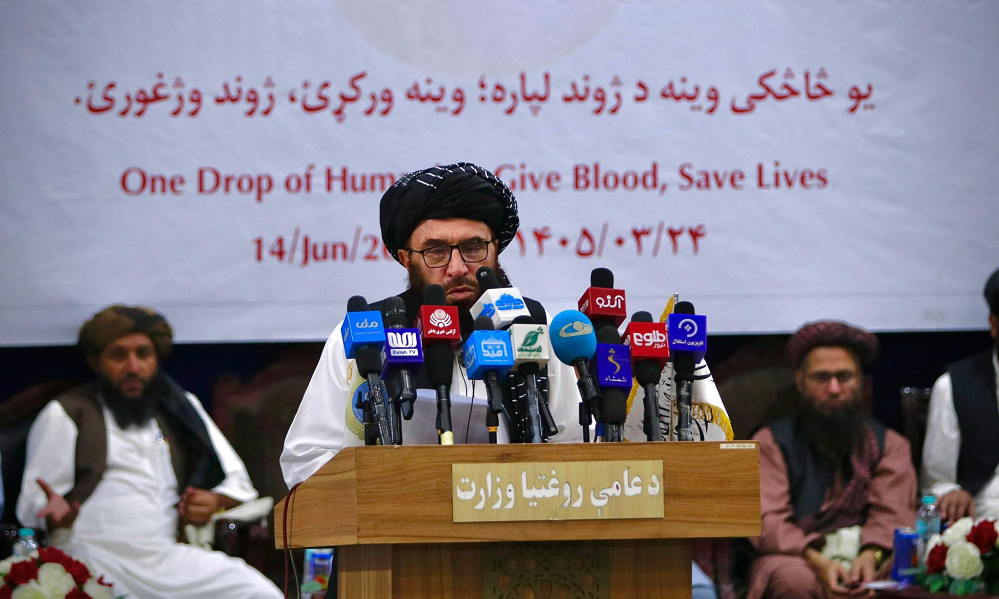
Afghanistan’s Ministry of Public Health has called on citizens to increase their participation in blood donation campaigns, warning that many patients still struggle to obtain compatible blood in emergencies despite improvements in the country’s blood management system.
The appeal was made on Saturday as health officials marked World Blood Donor Day, an annual event aimed at raising awareness about the importance of voluntary blood donation and recognizing the contribution of donors in saving lives.
Speaking at the ceremony, officials highlighted the critical role blood donors play in supporting the healthcare system and ensuring that hospitals have adequate supplies for patients requiring urgent treatment.
Abdul Wali Haqqani, Deputy Minister for Health Services at the Ministry of Public Health, said that shortages in blood reserves continue to pose challenges for healthcare providers, particularly when patients require specific blood types.
“Unfortunately, patients who need blood do not always have immediate access to compatible negative blood groups,” Haqqani said. “Blood donation is a simple yet invaluable humanitarian act. The World Health Organization recommends that at least one percent of a country’s population donate blood regularly to maintain sufficient reserves.”
Haqqani stressed that increasing public participation in blood donation could significantly improve the availability of life-saving blood supplies and strengthen healthcare services across the country.
Meanwhile, Wahdat Alkozi, Director of Curative Medicine at the ministry, said Afghanistan has made notable progress in blood management in recent years. He noted that standardized blood separation and storage systems are now operating at the Central Blood Bank and several regional hospitals.
“We are working to expand these systems throughout the country so that patients can have greater access to safe and standardized blood services,” Alkozi said.
According to officials from the Central Blood Bank, more than 220,000 units of blood were collected from voluntary donors over the past year. The blood was used in the treatment of more than 250,000 patients nationwide, underscoring the growing demand for blood supplies in hospitals and healthcare facilities.
However, Niazgul Niazmand, head of the Central Blood Bank, said the shortage of negative blood groups remains a major challenge due to the limited number of donors with those blood types.
Health experts emphasize that blood donation not only helps save the lives of accident victims, surgical patients, mothers experiencing childbirth complications, and individuals suffering from serious illnesses, but can also benefit donors by promoting healthy blood circulation and stimulating the production of new blood cells.
World Blood Donor Day is observed every year on June 14 to encourage voluntary blood donation and raise awareness about the ongoing need for safe blood and blood products around the world.


Tahawol: Afghanistan’s retaliatory attacks against Pakistan discussed

Haqqani, Qatari envoy hold talks on expanding bilateral relations

Saar: Uzbekistan-Qatar support for Afghanistan’s development disucssed

China resumes work on highway project in Tajikistan close to Afghan border

Hanafi says war is not the solution, calls for regional cooperation and investment

Norway’s Viking-inspired World Cup team photo goes viral

TAPI project advances in Afghanistan as 84kms of pipeline laid

Afghanistan’s trade with Central Asia records sharp growth

Gaikwad set to replace injured Kohli for Afghanistan ODI Series

Iran banks hit by major cyber attack
Tahawol: Afghanistan’s retaliatory attacks against Pakistan discussed
Saar: Uzbekistan-Qatar support for Afghanistan’s development disucssed

Tahawol: Reactions to Pakistan’s attacks on Afghanistan discussed

Saar: Reaction to Pakistan’s airstrikes on Afghan soil discussed

Tahawol: Pakistan’s attacks on civilians in Afghanistan
-
 Business3 days ago
Afghanistan eyes direct Basmati rice imports from India amid tensions with Pakistan
-

 International Sports5 days ago
FIFA World Cup: Iran held by Egypt after controversial late goal Is disallowed
-

 Latest News4 days ago
Delawar says Afghanistan has achieved security and unity after 47 years
-
 Latest News4 days ago
EU announces major funding to support Afghan small businesses
-
 Latest News3 days ago
Afghan minister says ‘outsiders’ should not claim to support Afghanistan’s independence
-

 Sport4 days ago
Afghanistan, Uzbekistan set for friendly cricket clash in Khost
-

 International Sports3 days ago
FIFA World Cup group stage wraps up; moves into high-stakes knock out round
-

 International Sports3 days ago
Canada makes World Cup history with late goal to eliminate South Africa