
/var/www/vhosts/ariananews.af/httpdocs/wp-content/themes/ariana-news/parts/post-single.php on line 153
">
Warning: Undefined array key 0 in /var/www/vhosts/ariananews.af/httpdocs/wp-content/themes/ariana-news/parts/post-single.php on line 153
Warning: Attempt to read property "cat_name" on null in /var/www/vhosts/ariananews.af/httpdocs/wp-content/themes/ariana-news/parts/post-single.php on line 153
Iran seeks broad expansion of cooperation with Afghanistan
Aref added that strengthening bilateral ties will help remove barriers and create new avenues for cooperation.

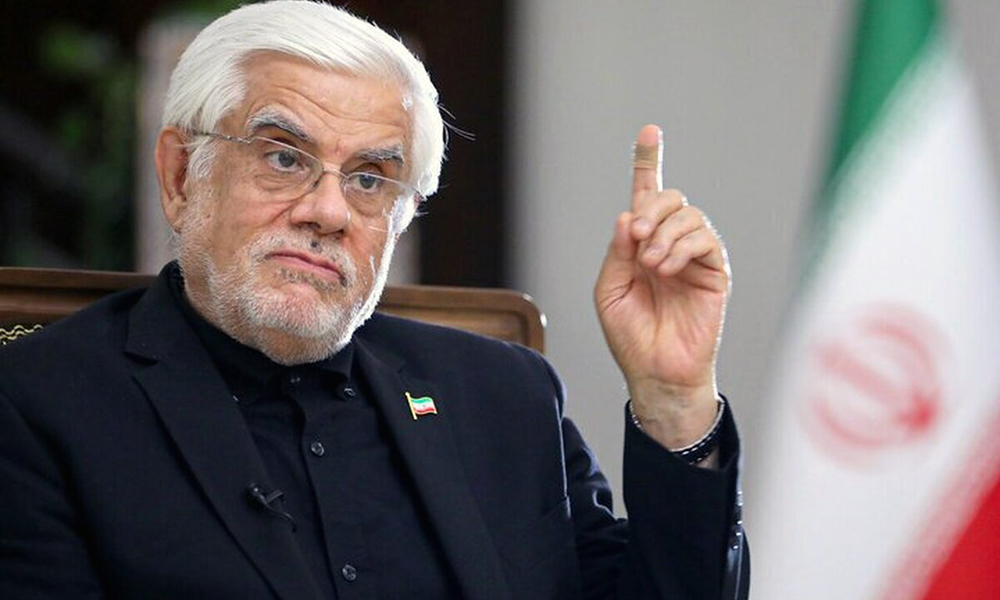
Iran’s First Vice President Mohammad Reza Aref says Tehran plans to significantly broaden its cooperation with Afghanistan, citing the long-standing cultural, economic, and social ties between the two neighbors.
Speaking at a coordination meeting on Afghanistan, Aref emphasized the need for a comprehensive cooperation framework between Iran and the Islamic Emirate of Afghanistan. He instructed all relevant ministries and institutions to submit their sector-specific proposals within a month so the plan can be finalized.
“The Comprehensive Iran–Afghanistan Cooperation Program should be drafted by the Joint Cooperation Commission and the Ministry of Foreign Affairs,” Aref said. “All ministries must send their specialized proposals within the set timeframe so the program can be completed and used as the basis for bilateral engagement.”
He noted that Afghan authorities have shown clear willingness to deepen relations with Iran. Over the past year, he said, increased trade exchanges, official communications, and sustained diplomatic engagement all point to a more constructive approach from Kabul.
Aref added that strengthening bilateral ties will help remove barriers and create new avenues for cooperation.
His remarks come as economic and trade relations between the two countries continue to grow. Annual trade has now reached $3.6 billion, making Iran one of Afghanistan’s biggest trading partners. Afghan economic officials say expanded cooperation with Tehran is mutually beneficial for both sides.
Aref also underscored the importance of cultural, academic, scientific, and technological collaboration, calling these pillars essential to Iran’s broader strategy toward Afghanistan. He stressed that engagement should extend beyond technical fields to include education and cultural exchange.
His comments coincide with the recent visit of Afghanistan’s Minister of Higher Education, Nida Mohammad Nadim, who traveled to Tehran at Iran’s invitation to discuss strengthening academic cooperation and sharing expertise.
As work continues on a comprehensive cooperation roadmap, officials from both countries express optimism that deeper engagement will support economic growth and contribute to greater regional stability.







Warning: Undefined array key 0 in /var/www/vhosts/ariananews.af/httpdocs/wp-content/themes/ariana-news/parts/post-single.php on line 573
Warning: Attempt to read property "cat_ID" on null in /var/www/vhosts/ariananews.af/httpdocs/wp-content/themes/ariana-news/parts/post-single.php on line 573
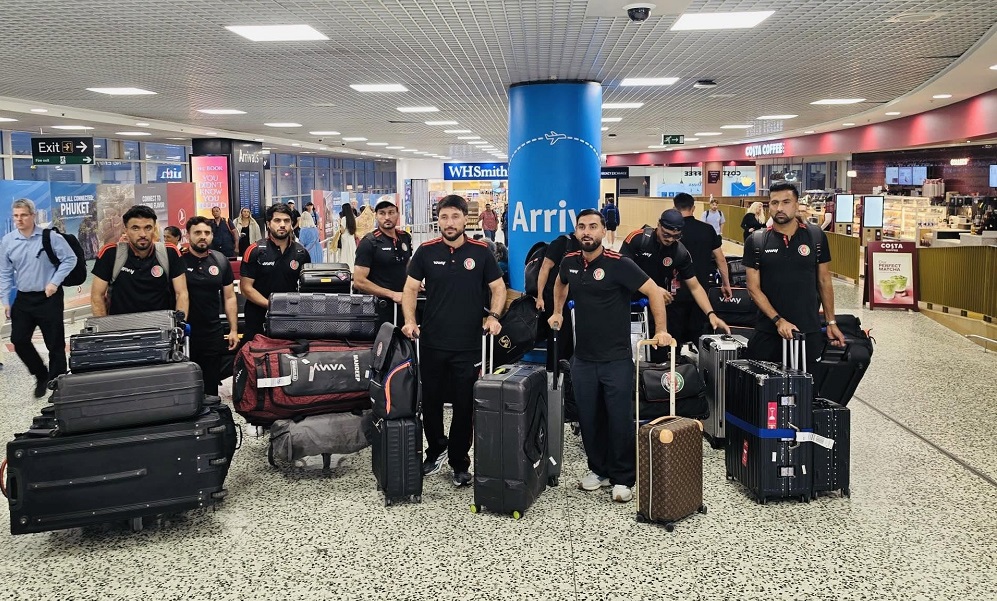
Sayed Naseem Sadat, spokesperson for the Afghanistan Cricket Board, said on Sunday the national cricket team has arrived in Birmingham, England, to begin its preparations for the upcoming five-match ODI series against Ireland.
According to Sadat, the Afghan squad will continue training in England until August 1 before traveling to Ireland for the One-Day International (ODI) series.
The opening match of the series will be played on August 5 in Bready, Ireland.
Fans can watch the matches live on Ariana Radio and Television Network (ATN).


Tahawol: Trump halting major Iran escalation

Saar: Afghanistan-Uzbekistan economic ties

Afghan team arrives in England for training camp ahead of Ireland ODI series

Afghanistan can link South and Central Asia through data transit: Baradar

Afghanistan, Uzbekistan discuss expanding economic, trade and investment cooperation

India offers 1,000 online scholarships for Afghan students for 2026-27 academic year

Afghanistan eyes direct Basmati rice imports from India amid tensions with Pakistan

Cricket world pays tribute to Afghanistan fast bowler Shapoor Zadran

Turkey spent over $120 million to prepare airport for Qatar-donated U.S. presidential aircraft

Afghanistan, Uzbekistan set for friendly cricket clash in Khost
Tahawol: Trump halting major Iran escalation
Saar: Afghanistan-Uzbekistan economic ties

Tahawol: New developments ahead in the Middle East discussed

Saar: Rising tensions between Kabul and Islamabad discussed

Tawsia: Factors behind rising fuel prices in Afghanistan discussed
-
 Latest News5 days ago
Germany defends Afghan deportation policy after fatal Trier knife attack
-
 Sport5 days ago
FIFA updates world rankings; Spain climbs to No. 1, Afghanistan ranked 171st
-
 Latest News4 days ago
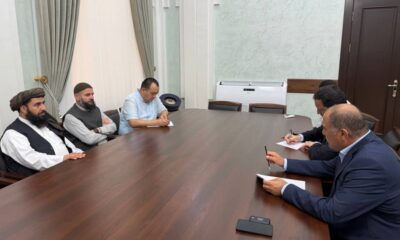
Afghanistan and Uzbekistan advance railway cooperation, discuss Trans-Afghan project
-

 World5 days ago
War in Iran has cost the US $37.5 billion so far, Pentagon says
-
 Latest News5 days ago
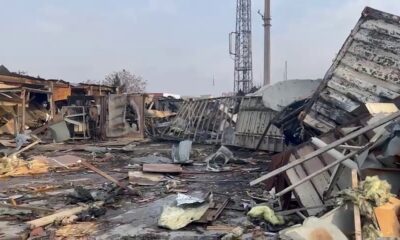
Amnesty International calls for probe into Pakistan airstrike on Kabul rehabilitation centre
-
 Business4 days ago
Pakistan’s trade deficit with neighbours surges to nearly $16 billion as exports to Afghanistan plunge
-

 Sport4 days ago
Rahmat Shah Zurmati appointed Afghanistan’s new Test and ODI captain
-
 Latest News3 days ago
Five armed men killed while attempting to cross Durand Line into Badakhshan