
Health
Standard Health Care Services Should be Provided: Danish

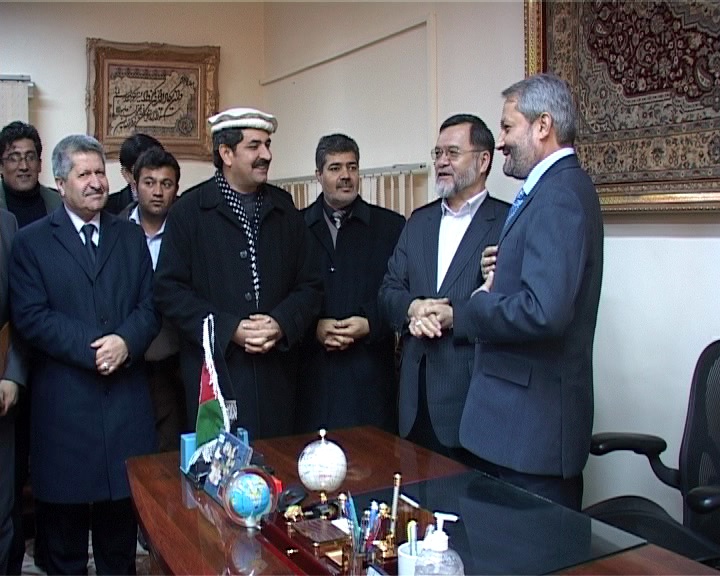

Afghanistan second vice President Sarwar Danish has demanded the Minister of public health to adopt necessary measurements to pave the way for standard health care services within the country.
He has insisted during his speech while introducing the new public health Minister to his co-workers that from now on wards standard health care services should be practically practiced in health care center.
New Public health Minister Ferozudin Feruz who has officially began working said, “Having access to health care services in remote areas, increasing of standard services will organize my priority work.”
Second vice Sarwar Danish said,” Afghan Nation demand the Minister of Public health to have access to standard health care services at the entire country officials within the Ministry of public health should consider the slogan Health for all practice health care services for the people and resolve their health issues.”
Meanwhile the new minister of public health has assured that my efforts will be as always under way to provide health care services for the remote areas and expand quality health care services for the entire Nation, and combat against the poor imported medicines from the neighboring countries into the country.”
His speech and promises come after that Afghan Nation still suffer from none standard health care services, and lack of standard health care centers in the past several years, let’s wait and watch that the new Minister for public health will be capable to meet the requirements of the people and avoid them going to abroad for better treatments.
Reported By: Rafi Sediqi

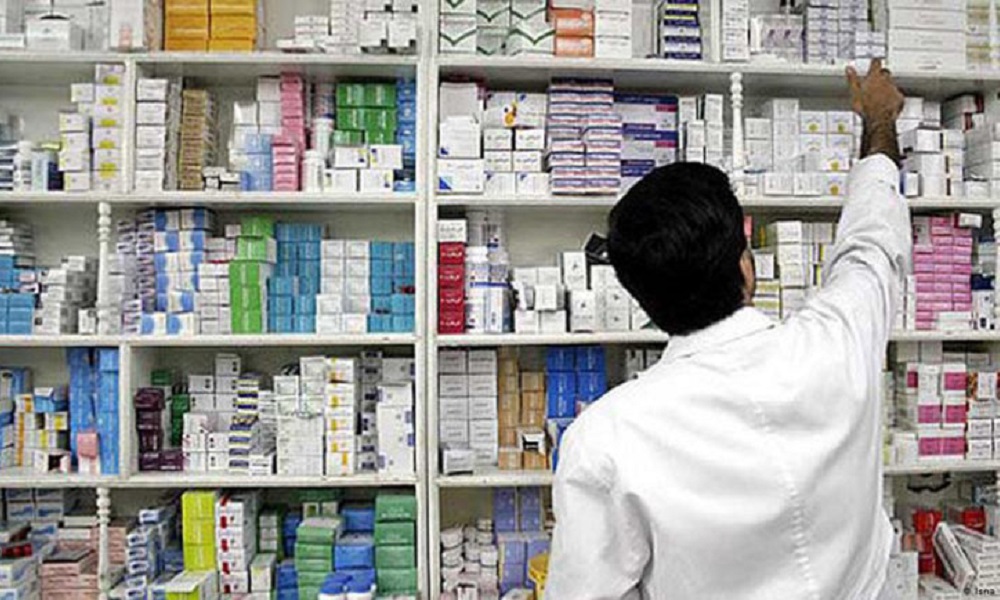
Russian pharmaceutical manufacturer Pharmasyntez is preparing to enter the Afghan market after reaching an agreement with Afghanistan’s Ministry of Public Health to begin supplying medicines to the country, as Kabul faces growing challenges in securing reliable drug imports.
The company said the first shipments are expected to arrive within the next two months, with supplies expected to include insulin, antibiotics, and medicines for cardiovascular diseases and cancer — products that Afghan health authorities say are in high demand.
Afghanistan relies heavily on imported medicines, with most pharmaceutical supplies traditionally coming from Pakistan, Iran, India, and Middle Eastern countries.
However, industry analysts say recent tensions between Afghanistan and Pakistan have disrupted some supply chains, creating shortages and opening opportunities for new suppliers.
Pharmasyntez said it decided to enter Afghanistan because of the country’s limited access to quality medicines.
The company’s portfolio includes more than 300 pharmaceutical products manufactured across seven production facilities in Russia.
Founded in 1997 in Irkutsk by businessman Vikram Punia, the company currently exports mainly to Kazakhstan, Uzbekistan, and Belarus, while also operating in markets including Myanmar and the Dominican Republic.
According to publicly available information, Pharmasyntez is the first major Russian pharmaceutical company to formally target the Afghan market.
Trade relations between Afghanistan and Russia have expanded in recent years, with Afghanistan’s Ministry of Industry and Trade reporting annual bilateral trade of around $538 million.
Russia currently exports wheat, flour, fuel products, timber, and sunflower oil to Afghanistan.
The last known Russian medicine deliveries to Afghanistan were humanitarian aid shipments sent after the deadly earthquakes that struck Herat province in 2023.
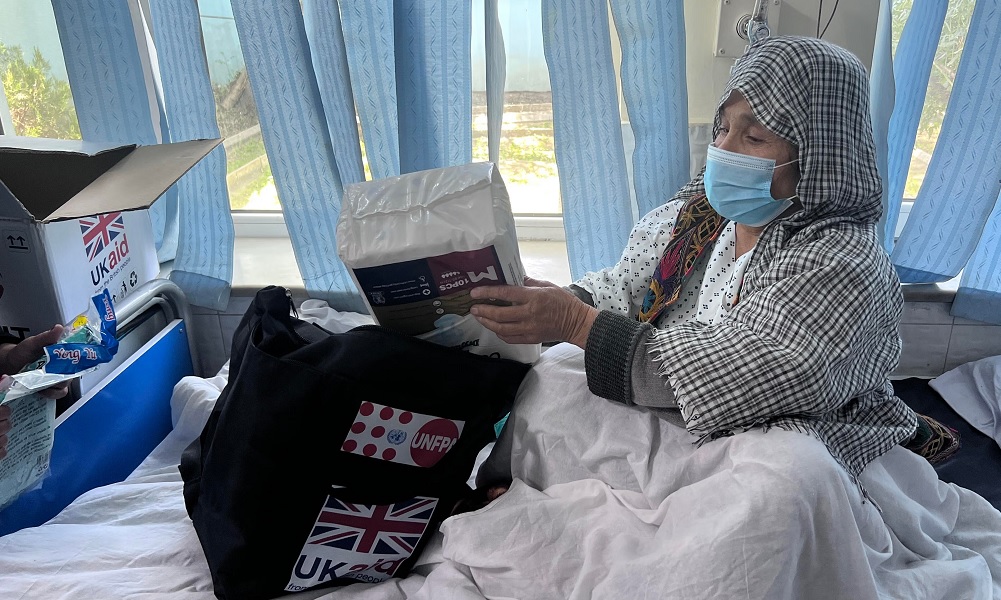
United Nations Population Fund (UNFPA) Afghanistan says the country has the world’s fifth-highest number of obstetric fistula cases, with an estimated 15,000 women and girls suffering from the childbirth-related injury.
In a post on X, UNFPA Afghanistan said obstetric fistula continues to cause disability and social isolation for thousands of Afghan women and girls.
The agency stressed that preventing and treating the condition requires access to healthcare services, safe surgical procedures, and essential medical supplies.
Obstetric fistula is a serious childbirth injury that usually occurs after prolonged or obstructed labor without timely medical care. The condition can lead to chronic health complications and often leaves affected women facing stigma and exclusion from their communities.


Tahawol: Islamic Emirate defense minister’s visit to Russia

Saar: Calls to expand Afghanistan-Qatar ties discussed

More than 220 riders launch Hellas Rally Raid 2026 in Greece

Afghanistan expands drug imports as Russian pharma company enters market

Russia claims Asia-based drug network expanding toward Russia and the West

New Afghanistan-China transport corridor launched via Turkmenistan

Afghanistan signs $46 million deal to develop standard laboratory complexes

Germany to launch online visa system for Afghan study and work applicants in Pakistan

Afghanistan launches first 5G trial in Kabul to boost telecom services

Large blast near Beit Shemesh part of pre-planned test: Israeli defense firm
Tahawol: Islamic Emirate defense minister’s visit to Russia
Saar: Calls to expand Afghanistan-Qatar ties discussed

Tahawol: Afghanistan-Japan relations reviewed

Saar: Afghanistan’s relations with regional countries, incl Russia and China discussed

Saar: Shahbaz Sharif’s trip to China
-
 Latest News4 days ago
China restricts export of chemical substances to Afghanistan
-
 Business3 days ago
Major pharma firms eye investment in Afghanistan
-

 World4 days ago
One dead, 36 injured in explosion at New York dry dock
-

 Sport5 days ago
Mohammadi crowned champion of 2nd season of Ariana Snooker Championship
-
 Latest News3 days ago
Deadly shooting near Kabul’s Sarai Shahzada leaves four dead
-
 Latest News4 days ago
Britain says recognition of IEA conditional on women’s rights, counterterrorism
-

 Sport5 days ago
Chennai Super Kings eliminated as Gujarat Titans register record IPL victory
-
 Regional3 days ago
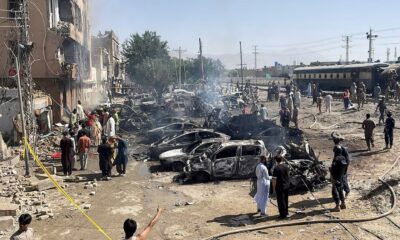
At least 24 killed in deadly train bombing in Pakistan’s Balochistan