
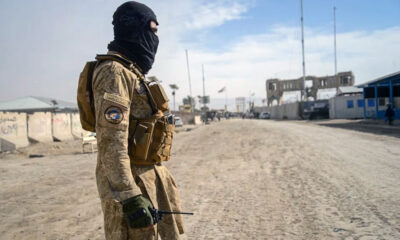

The closure has also affected Afghan students studying in Pakistan, creating additional challenges.


She lost to Hasina in the 1996 general election but came back five years later with a surprise landslide win.

Abdul Bari Omar, chief executive officer of Afghanistan’s national power utility (Breshna), made the announcement following talks with a Turkmen delegation, according to Trend.


Uzbekistan, which already has a direct rail connection with Afghanistan, has positioned itself as a regional logistics hub linking Russia, Central Asia and South Asia.
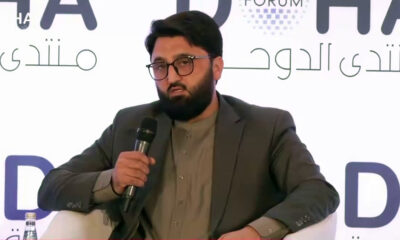

Qanit urged both countries to take a long-term view. “It is essential for Pakistan and Afghanistan to sit together and resolve these problems. If these crises...


Key discussions will centre on activating the full potential of the Chabahar Port corridor, increasing Afghan exports to India, and promoting long-term investment partnerships.


Speaking at a press conference on Wednesday Najib explained that the mediators also supported this request, citing their limited awareness of the sensitivities between the two...
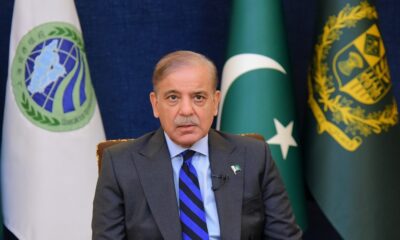

Sharif also commended Türkiye and Qatar for their role in facilitating peace talks between Pakistan and the IEA, adding that “a peaceful Afghanistan holds the key...
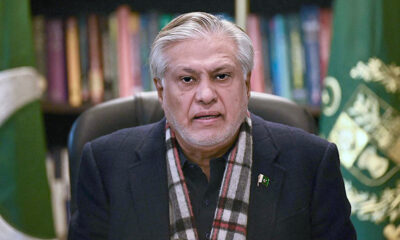

Addressing Pakistan’s Senate, Dar emphasized the importance of constructive regional engagement. “I am among those who want to move forward positively with Afghanistan, Iran, and all...
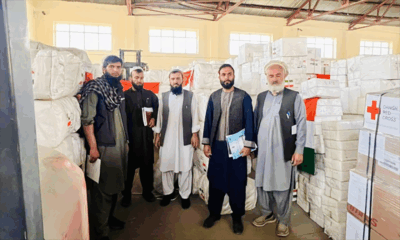

The latest medical aid underscores India’s longstanding partnership with Afghanistan and its ongoing support in humanitarian and developmental areas.
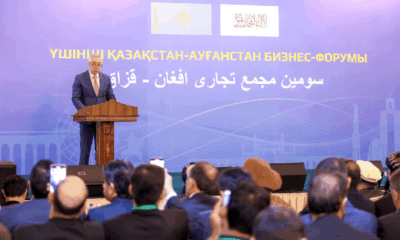

Minister Azizi welcomed Kazakhstan’s growing engagement, noting Afghanistan’s interest in attracting Kazakh investment in agriculture, energy, transport, mining, and construction.


Jalali reaffirmed Afghanistan’s commitment to improving healthcare access and outcomes through “joint programs, preventive initiatives, and stronger community-based services.”
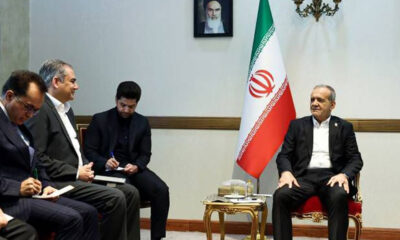

Naqvi welcomed Iran’s readiness to facilitate dialogue between Islamabad and Kabul, saying Pakistan “values any constructive role that can help reduce regional tensions.”
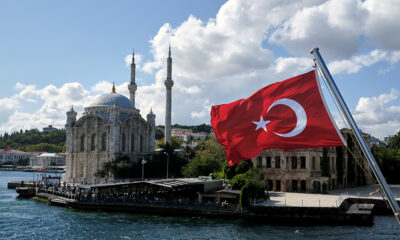

According to the sources, the Afghan delegation emphasized that controlling attacks inside Pakistan is the responsibility of Pakistani security forces, and Afghanistan can only guarantee that...


The U.S. president also expressed pride in brokering the Thailand–Cambodia accord, calling it a “historic achievement” and a symbol of Washington’s renewed global peace diplomacy.


The talks, facilitated by Turkish mediators, come amid recent cross-border tensions and deadly clashes that have strained relations between Kabul and Islamabad in recent months.
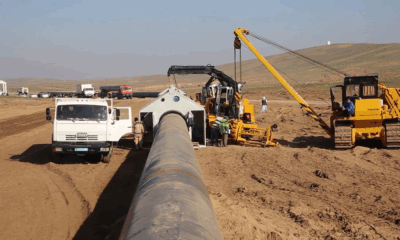

Once operational, the pipeline is expected to boost regional connectivity, generate transit revenues for Afghanistan, and strengthen energy cooperation across South and Central Asia.


Addressing concerns over Afghanistan’s growing engagement with India, Mujahid clarified that such relations are not intended to undermine Pakistan.
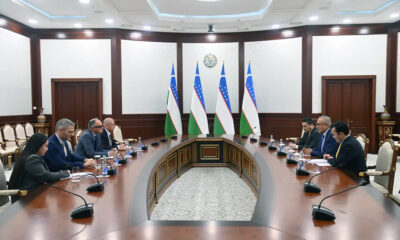

The meeting concluded with an agreement to sustain working-level dialogue and joint initiatives aimed at fostering peace, sustainable development, and connectivity across Central and South Asia.
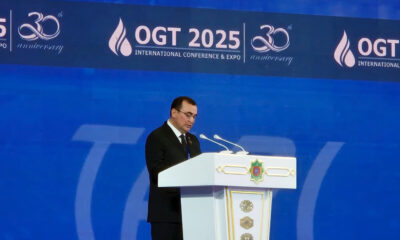

“TAPI is not just an energy route, but a corridor of peace and cooperation, creating a sustainable foundation for economic growth and good neighborliness,” he said.
| Country | Selling in AFS | |
|---|---|---|
| 1 USD |  | 63.87 |
| 1 EUR |  | 72.60 |
| 1 PND |  | 83.62 |
| 1 AED |  | 16.65 |
| 1 TRY |  | 1.40 |
| 1000 INR |  | 665 |
| 1000 IRR |  | 0.43 |
| 1000 PKR |  | 224 |


