
Latest News
UN states Afghanistan continues to face consequences of decades of conflict and disasters
The organisation said Afghanistan remains one of the world’s most challenging humanitarian environments, with millions of people struggling to meet their basic needs.

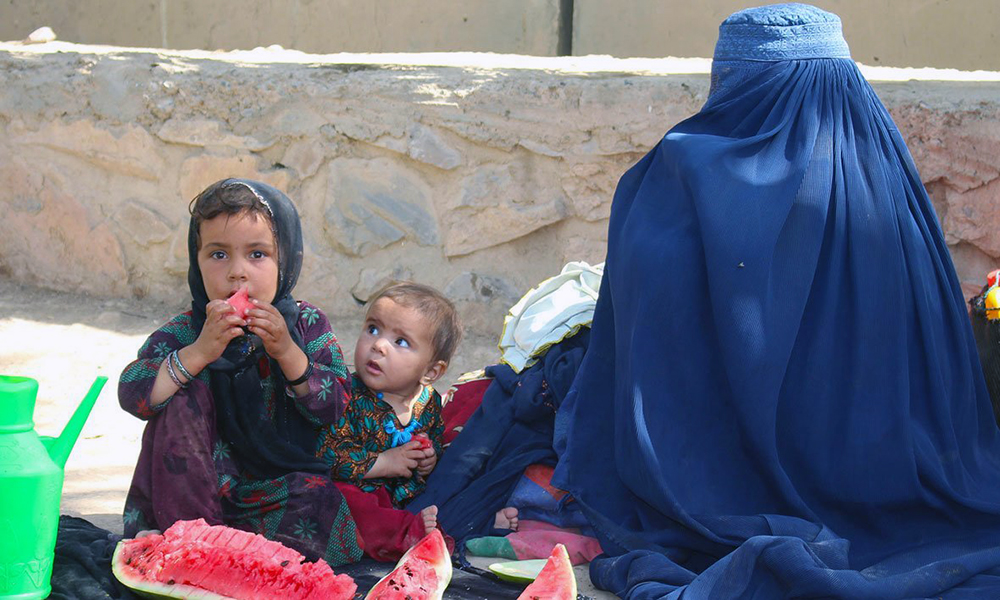
The United Nations says Afghanistan continues to face the consequences of more than four decades of conflict, political instability and natural disasters, leaving millions of people dependent on humanitarian assistance.
In a statement on Tuesday, September 8, the UN said Afghans continue to face widespread humanitarian needs following years of war, displacement and repeated natural disasters.
The organisation said Afghanistan remains one of the world’s most challenging humanitarian environments, with millions of people struggling to meet their basic needs.
Nearly 23 million Afghans are facing acute food insecurity, according to the UN, highlighting the scale of the country’s ongoing humanitarian crisis.
Afghanistan is also home to one of the world’s largest refugee populations, while the return of millions of Afghans from neighbouring countries has placed additional pressure on communities and limited resources.
The country remains highly vulnerable to earthquakes, floods, droughts and other climate-related disasters, which frequently destroy homes, infrastructure and livelihoods and deepen existing humanitarian needs.
The UN said it remains committed to supporting the Afghan people through humanitarian assistance and essential services, despite growing challenges facing aid operations.
It called on the international community to maintain support for Afghanistan and provide the resources needed to address urgent humanitarian needs and help vulnerable communities withstand future crises.
The UN stressed that sustained international assistance remains critical as Afghanistan seeks to recover from decades of conflict and build greater resilience to economic and natural shocks.




Latest News
UNICEF urges continued efforts for polio-free Afghanistan
According to the World Health Organization, 42 cases of wild poliovirus type 1 have been recorded in Afghanistan this year.
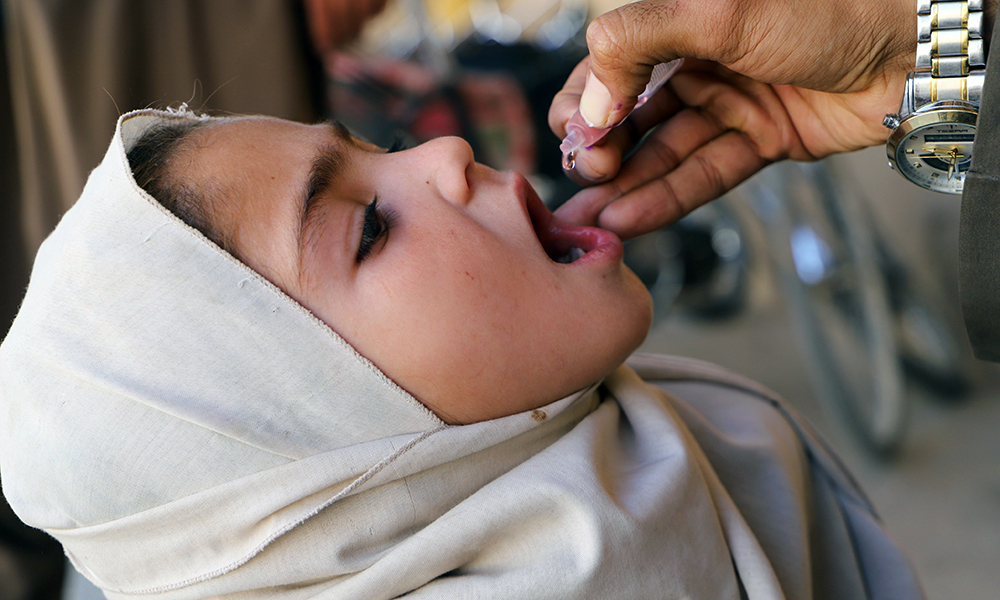
UNICEF Afghanistan has highlighted the importance of continued national efforts to eradicate polio and vaccinate every child, as the country marks World Polio Day on October 24.
In a message posted on X, UNICEF Afghanistan said the day provides an opportunity to highlight national efforts towards a polio-free Afghanistan and honour frontline workers who work tirelessly to end the disease and ensure every child is vaccinated.
Meanwhile, Afghanistan’s Polio-Free initiative warned on Thursday, October 22, that the presence of the poliovirus in any area could threaten the health of children across the country. The initiative urged the public to cooperate with vaccination campaigns and ensure that no child is left without the vaccine.
The warning comes as polio remains a public health concern in Afghanistan, with the United Nations reporting multiple cases of the disease. According to the World Health Organization, 42 cases of wild poliovirus type 1 have been recorded in Afghanistan this year, while six cases have been reported in neighbouring Pakistan.
Latest News
Turkmenistan says Kerki–Kabul power line could supply up to 800 MW to Afghanistan
Turkmenistan is also developing infrastructure under the Turkmenistan–Afghanistan–Pakistan (TAP) power transmission project.
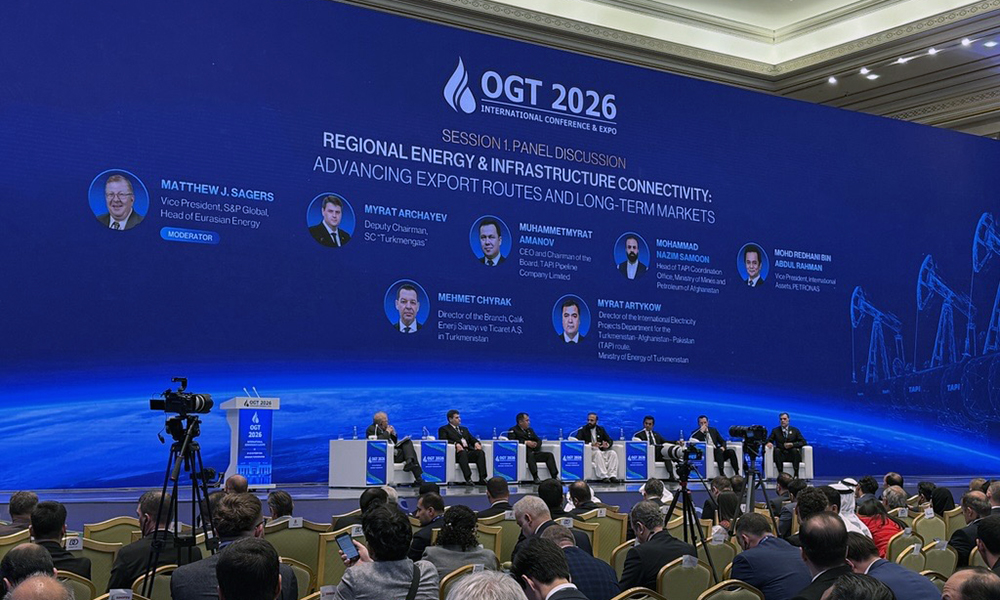
Afghanistan could receive up to 800 megawatts of electricity through the planned 500-kilovolt Kerki–Kabul transmission line, according to a Turkmen energy official, as Turkmenistan advances cross-border power projects aimed at expanding electricity supplies and regional energy cooperation.
According to News Central Asia, Murat Artykov, director of the Department for International Power Engineering Projects along the Turkmenistan–Afghanistan–Pakistan route at Turkmenistan’s Ministry of Energy, made the remarks at the international conference “Oil and Gas of Turkmenistan 2026” in Ashgabat.
Artykov said the Kerki–Kabul transmission line will extend 711 kilometres. Construction of the Sheberghan–Dasht-e-Alvan section is expected to be completed in the coming months, while the section connecting the Dasht-e-Alvan substation to the Arghandi substation in Kabul Province is scheduled to become operational in June 2027.
Turkmenistan is also developing infrastructure under the Turkmenistan–Afghanistan–Pakistan (TAP) power transmission project. Artykov said a 259-kilometre, double-circuit 220-kilovolt transmission line from the Mary State Power Plant to the Afghan border was completed in August 2021 and is ready to be connected to Afghanistan’s power system.
Another key development was the commissioning of the Nur ul-Jihad substation in Herat Province on September 11, 2024. According to Artykov, the facility doubled the volume of electricity supplied from Turkmenistan to the province.
Plans also include installing a 200-megavolt-ampere synchronous compensator at the Nur ul-Jihad substation and constructing an 80-kilometre, 220-kilovolt transmission line connecting the Pul-e-Hashemi, Nur ul-Jihad and 24 Hoot substations in Herat.
Artykov said more than 50 documents have been signed between the countries involved and investors in connection with the TAP project. A roadmap for further work in Afghanistan is expected to be agreed upon by the energy ministries of Turkmenistan and Afghanistan.
He added that expanding cross-border electricity infrastructure is intended not only to increase power supplies but also to support industrial development, strengthen social infrastructure and improve living standards across the region.
Latest News
UN warns of worsening hunger crisis in Afghanistan, with millions facing food insecurity
Dujarric added that an estimated four million children and 1.3 million mothers are projected to suffer from malnutrition.
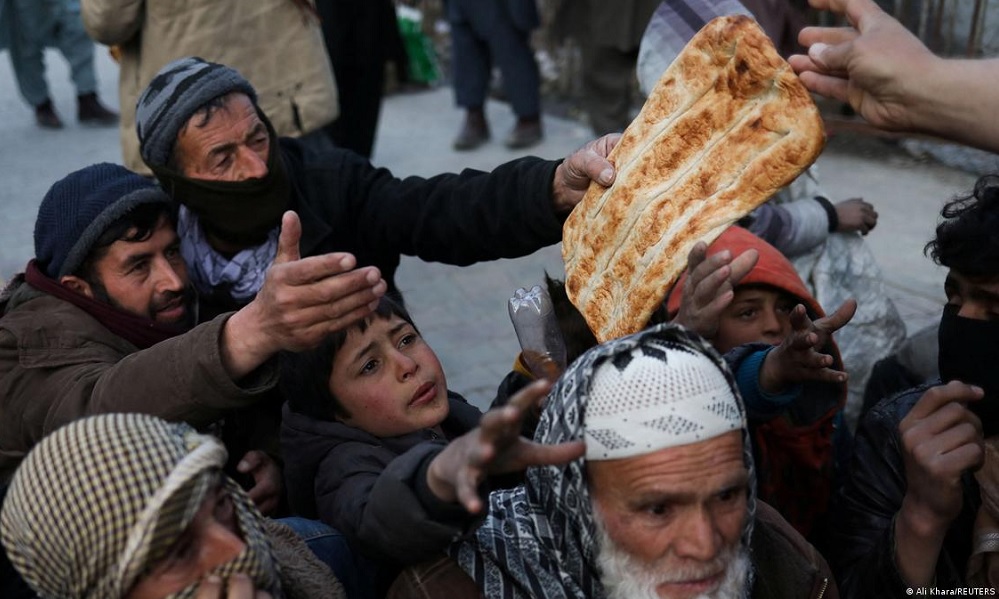
The United Nations has warned that hunger and malnutrition in Afghanistan are deteriorating rapidly, with more than 19.2 million people projected to face acute food insecurity.
Speaking at the UN Secretary-General’s noon briefing on Thursday, UN spokesperson Stéphane Dujarric cited projections from the Integrated Food Security Phase Classification (IPC), saying five million people are expected to face emergency levels of hunger.
Dujarric added that an estimated four million children and 1.3 million mothers are projected to suffer from malnutrition.
He said approximately one-third of Afghanistan’s health facilities, including 815 malnutrition treatment clinics, are either closed or suspended, further restricting access to essential health and nutrition services for women and children.
According to Dujarric, the World Food Programme (WFP) continues to provide food assistance, nutrition support and resilience programmes for vulnerable communities. However, funding shortages forced the agency to halt some food assistance in June to preserve limited resources for the winter, when hunger is expected to peak.
He said WFP is preparing its winter response, but current funding will allow it to assist only one million of the five million people requiring support.
Dujarric stressed that WFP needs $545 million over the next six months to respond to the rapidly worsening crisis.
The warning comes as Afghanistan faces mounting humanitarian challenges, with millions of people at risk of severe hunger and access to essential nutrition services increasingly constrained.


IMF forecasts 1.3 percent regional economic contraction in 2026
UNICEF urges continued efforts for polio-free Afghanistan
Turkmenistan says Kerki–Kabul power line could supply up to 800 MW to Afghanistan

UN warns of worsening hunger crisis in Afghanistan, with millions facing food insecurity

UN says global cooperation is more urgent than ever amid rising crises

Cricket Bonanza: Afghanistan set for packed international schedule

Afghanistan says 28 killed, 32 captured in Nuristan operation

Afghanistan on climate front line as Kabul faces groundwater warning

ACB announces Afghanistan squads for Bangladesh, Zimbabwe series

Trump rejects Iranian proposal to open Hormuz and end fighting

Tahawol: Doha meeting and Afghanistan’s political and economic future discussed

Saar: Concerns over expansion of conflict between Iran and US discussed

Governments warn citizens over security risks in France after riots

Tahawol: Iran’s reaction to Pakistan’s mediation discussed

Saar: Review of SCO meeting in Tajikistan
-

 World4 days ago
Violent protests spread across Europe as Albanian PM blames ‘foreign hand’
-

 Sport4 days ago
Afghanistan finish runners-up after 6-0 defeat to Brazil in futsal final
-

 Sport5 days ago
Toofan Herat beat Istiqlal Kabul 2-0 in Afghanistan Champions League clash
-
 Business5 days ago
Dogharoun border handling 70% of Iran’s exports to Afghanistan
-
 Business4 days ago
Iran calls for extending Herat railway to Uzbekistan border
-

 World4 days ago
Trump endorses Netanyahu in close Israeli election
-
 Latest News3 days ago
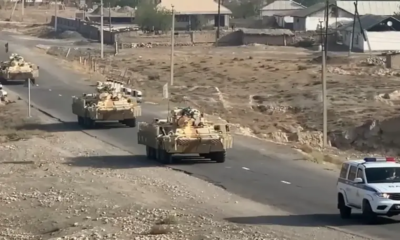
Russian troops arrive in Uzbekistan for joint military exercises
-
 Latest News2 days ago
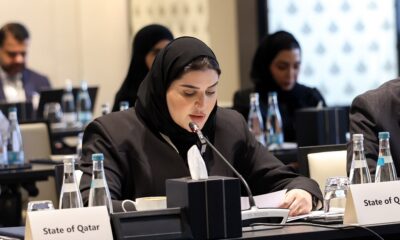
Qatar calls for shift from humanitarian aid to economic recovery in Afghanistan