
Latest News
US congressional committee subpoenas Blinken over Afghanistan
In a letter about the subpoena, Chairman Michael McCaul said Blinken must appear before the committee on Sept. 19 or face contempt charges

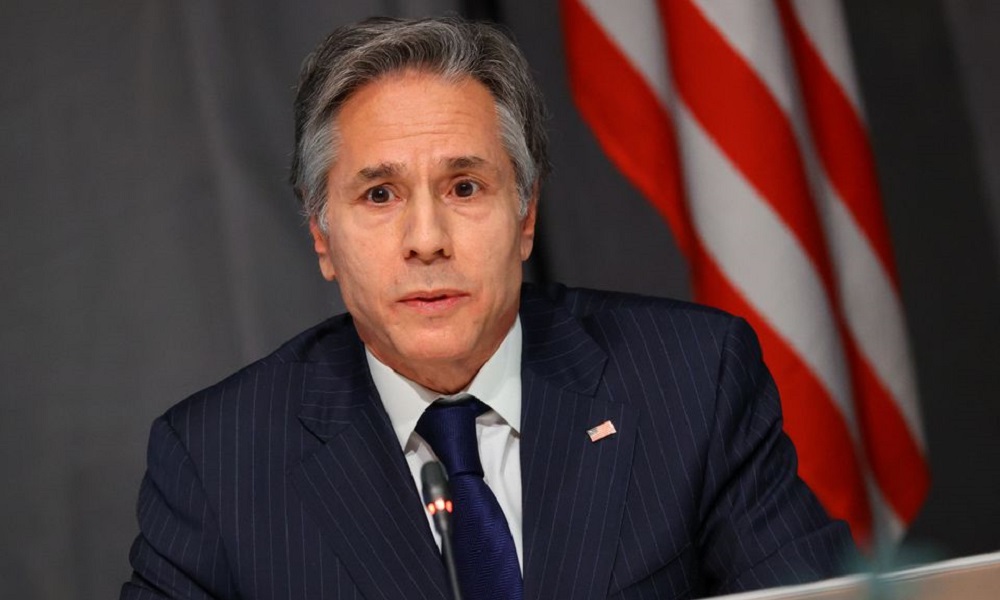
The US House of Representatives Foreign Affairs Committee subpoenaed Secretary of State Antony Blinken on Tuesday, saying he had refused to appear before the panel to testify on the US withdrawal from Afghanistan in August 2021.
In a letter about the subpoena, Chairman Michael McCaul said Blinken must appear before the committee on Sept. 19 or face contempt charges, the committee said.
State Department spokesperson Matthew Miller said Blinken was not currently available to testify on the dates proposed by the committee but has proposed “reasonable alternatives” to comply with McCaul’s request for a public hearing.
“It is disappointing that instead of continuing to engage with the Department in good faith, the Committee instead has issued yet another unnecessary subpoena,” Miller said in a statement.
He said Blinken had testified before Congress on Afghanistan more than 14 times, including four times before McCaul’s committee. He also said State has provided the committee with nearly 20,000 pages of department records, multiple high-level briefings and transcribed interviews.
McCaul asked Blinken in May to appear at a hearing in September on the committee’s report on its investigation of the withdrawal from Afghanistan.
In his letter to Blinken, the Republican committee chairman said current and former State Department officials confirmed that Blinken was “the final decision maker” on the withdrawal and evacuation.
“You are therefore in a position to inform the Committee’s consideration of potential legislation aimed at helping prevent the catastrophic mistakes of the withdrawal, including potential reforms to the Department’s legislative authorization,” McCaul wrote.
The subpoena from McCaul’s committee, which has been investigating the deadly and chaotic withdrawal from Afghanistan for years, comes as events surrounding the pullback become an increasingly politicized issue ahead of the Nov. 5 elections.





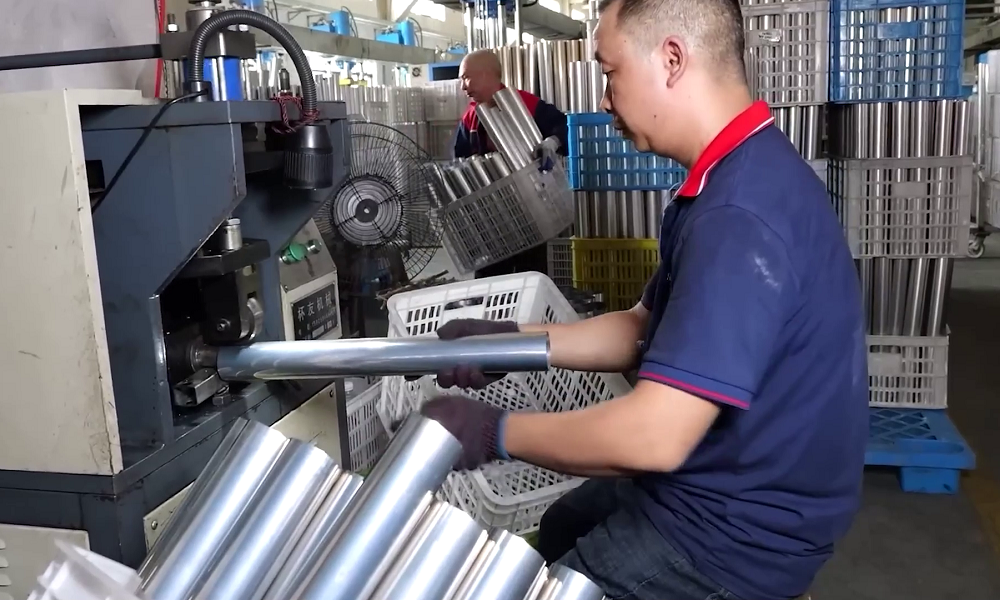
China’s Ministry of Commerce has imposed restrictions on the export of certain chemicals to several countries, including Afghanistan, in an effort to prevent the production of narcotics.
The ministry said China has placed under control the export of a number of chemicals that can be used in the manufacture of narcotic drugs to six countries, including Afghanistan.
According to the ministry, the decision was made in coordination with various government bodies, including security forces, customs authorities, and drug regulatory agencies.
The move is aimed at “improving oversight of the export of chemicals that can be used in the production of narcotics,” the ministry stated.
Khan Jan Alokozay, a member of the Chamber of Commerce and Investment, said: “Some of these materials are used in our factories, and discussions should be held with the Chinese side to ensure their supply remains secure and is not blocked for us.”
Meanwhile, the Union of Pharmaceutical Manufacturers in Afghanistan said that medicines contain chemical substances, but the more responsibly these chemicals are imported, the more beneficial they will be for the country and its citizens. The union described China’s decision as reasonable and stressed that traders should also act responsibly in this regard.
Ahmad Saeed Shams, head of the Union of Pharmaceutical Manufacturers, said: “The export of these chemical substances should be controlled, and we also support this decision.”
According to the report, the list of substances subject to these restrictions for Afghanistan, Laos, and Myanmar includes 41 chemical items.
These substances include compounds such as ammonium chloride, barium sulfate, and palladium chloride. In contrast, a separate list containing 16 types of chemical substances has been designated for the United States, Canada, and Mexico.
China’s Ministry of Commerce added that once the decision takes effect, exporters of these substances to the mentioned countries will be required to obtain special permits.
However, the restrictions do not apply to other countries and regions.
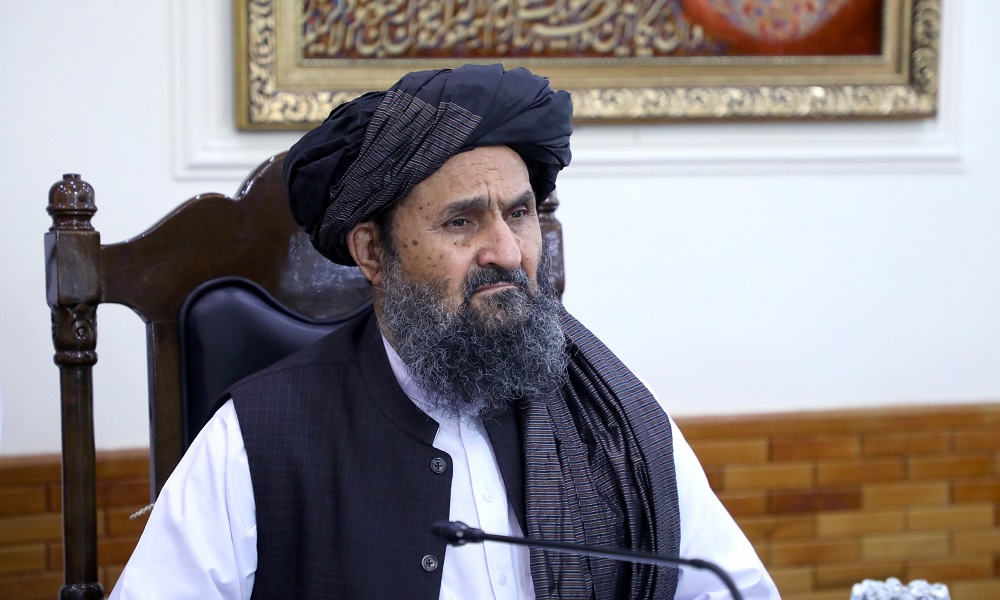
The National Procurement Commission, chaired by Mullah Abdul Ghani Baradar, Deputy Prime Minister for Economic Affairs, approved 15 projects worth around 4.2 billion AFN on Saturday, while amendments were made to seven other projects.
According to a statement from the Prime Minister’s Office, the approved and amended projects include the completion of geotechnical studies for the Zardalu Dam in Ghazni province; construction of a 14-kilometre road at Hairatan Port in Balkh; construction of the Kabul–Logar road from the end of Lot One to Sang-e-Nawishta; construction of public hospitals in Lolash District of Faryab, Andar District of Ghazni, Kajran District of Daykundi, Bala Murghab District of Badghis, Kahmard District of Bamyan, and Musa Khel District of Khost, as well as the completion of remaining electricity transmission and distribution projects in various provinces.
The approved projects are financed by the Islamic Emirate of Afghanistan, the statement added.
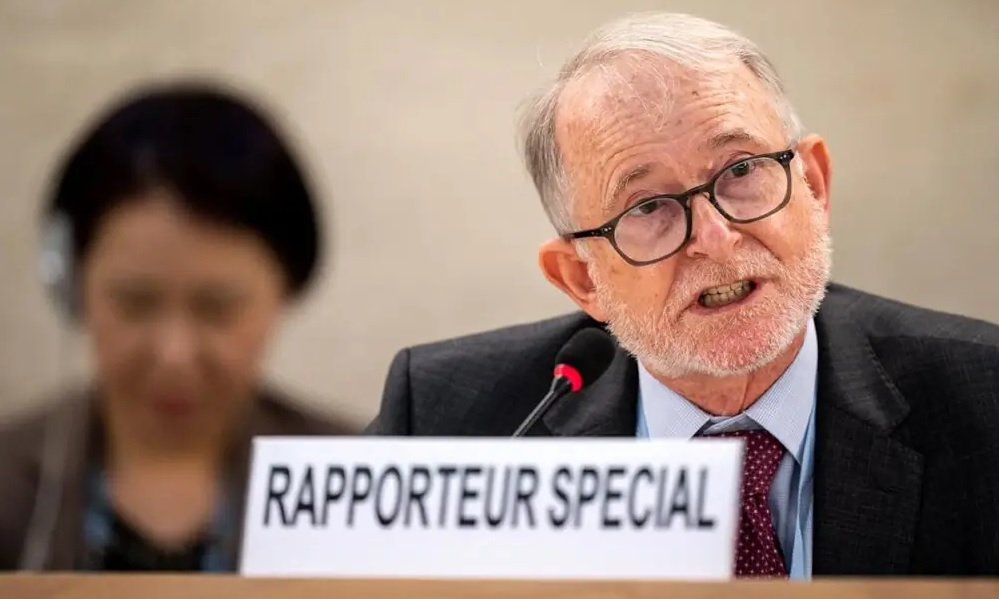
Richard Bennett, the U.N. special rapporteur on human rights in Afghanistan, has called for a full and independent investigation into the March 16 attack on the Omid Drug Rehabilitation Hospital in Kabul.
In a post on X, Bennett said the attack, which he said was carried out by Pakistan, resulted in the deaths of more than 269 civilians, according to figures verified by United Nations Assistance Mission in Afghanistan.
“The 16/3 attack by Pakistan on Omid Drug Rehab Hospital in Kabul where UNAMA verified 269+ civilians killed demands a full, independent investigation,” Bennett wrote.
He added that deliberate attacks targeting civilians or civilian facilities could amount to war crimes under international law.
Bennett also urged the IEA authorities to ensure the safety and protection of patients and civilians in medical and rehabilitation facilities across Afghanistan.


Tahawol: UK’s conditions for recognizing IEA discussed

Saar: Discussion on UN concerns over Afghan refugees’ challenges

China restricts export of chemical substances to Afghanistan

Mullah Baradar approves 15 projects worth around 4.2 billion AFN

U.N. rights envoy calls for probe into deadly strike on Kabul drug rehab hospital

New Afghanistan-China transport corridor launched via Turkmenistan

Afghanistan signs $46 million deal to develop standard laboratory complexes

Bayat Power extends gas supply deal with Afghan Gas

Germany to launch online visa system for Afghan study and work applicants in Pakistan

Afghanistan launches first 5G trial in Kabul to boost telecom services
Saar: Discussion on UN concerns over Afghan refugees’ challenges

Tahawol: Push for agreement between Iran and US discussed

Saar: Afghanistan in China-Russia’s limelight discussed

Tahawol: Call for handing over Afghanistan’s UN seat to IEA discussed

Saar: Pakistan’s emphasis on peaceful ties with Kabul discussed
-
 Regional5 days ago
Revised Iranian proposal to end war shared with US, Pakistani source says
-
 Sport5 days ago
Mexico City Stadium to host opening match of FIFA World Cup 2026
-

 Latest News4 days ago
India announce squads for Afghanistan Test and ODI series
-
 Latest News5 days ago
UK envoy highlights importance of Afghanistan-Pakistan relations and women’s inclusion
-
 Climate Change5 days ago
Afghanistan climate and housing challenges highlighted at World Urban Forum in Baku
-
 Business5 days ago
Afghanistan’s domestic pharmaceutical production sees major growth: Mullah Baradar
-
 Latest News4 days ago
Mullah Baradar launches $150 million Lajward residential complex in Balkh
-
 Latest News4 days ago
Fazlur Rehman says Pakistan’s Afghanistan policy has failed