
Latest News
UN chief calls for global community to ‘shield reporters’

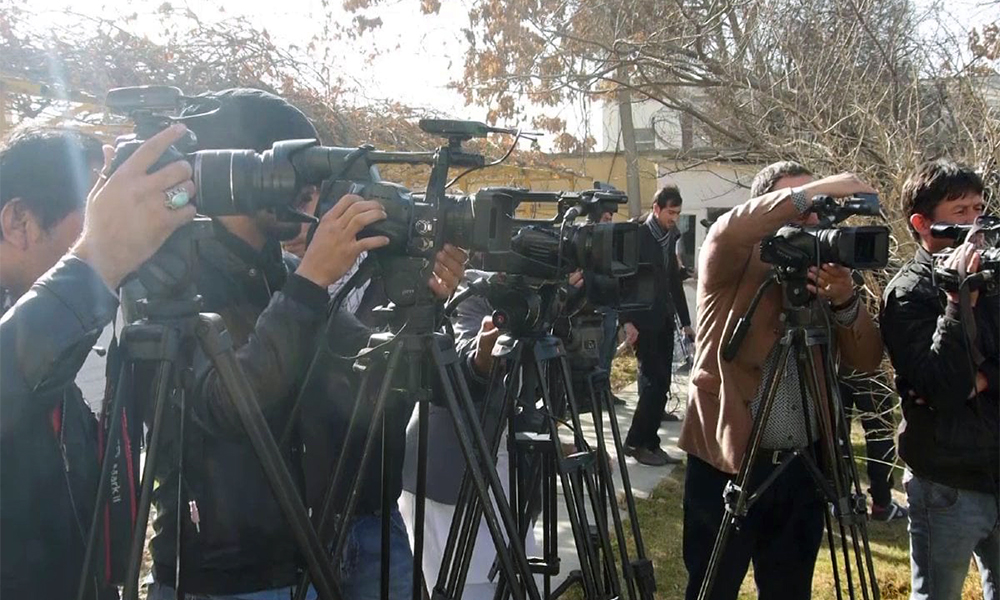
Marking the International Day to End Impunity for Crimes Against Journalists on Wednesday, United Nations (UN) Secretary-General, Antonio Guterres, called on governments and the global community to take necessary steps to shield reporters from imprisonment, violence and death.
In his goodwill message, Guterres noted that a free press remained vital to functioning democracy, exposing wrongdoing, navigating the complex world and advancing the Sustainable Development Goals (SDGs).
He said more than 70 journalists have been killed this year simply for fulfilling this role in society. “Most of these crimes go unsolved,” he added.
He also noted that a record number of journalists are incarcerated today, while threats of imprisonment, violence and death keep growing.
“As we mark its 10th anniversary, I call on governments and the international community to take the necessary steps to protect our journalists. We must end a common culture of impunity and enable journalists to do their essential work.”
According to the International Press Institute (IPI), in 2021 alone, 45 journalists were killed across the world, 28 slain in retaliation for their work, three killed while covering armed conflicts, one assassinated in line of duty, two died while covering civil unrest, and 11 deaths are under investigation.
The top four nations with the most killings of media practitioners in the year under review were Mexico (seven), Afghanistan (six), India (six) and Democratic Republic of Congo (three).
Meanwhile, UNAMA said Wednesday that human rights abuses of more than 200 reporters in Afghanistan have been recorded since August 2021.
“Record high numbers include arbitrary arrest, ill-treatment, threats and intimidation,” UNAMA tweeted adding that “media in Afghanistan is in peril”.







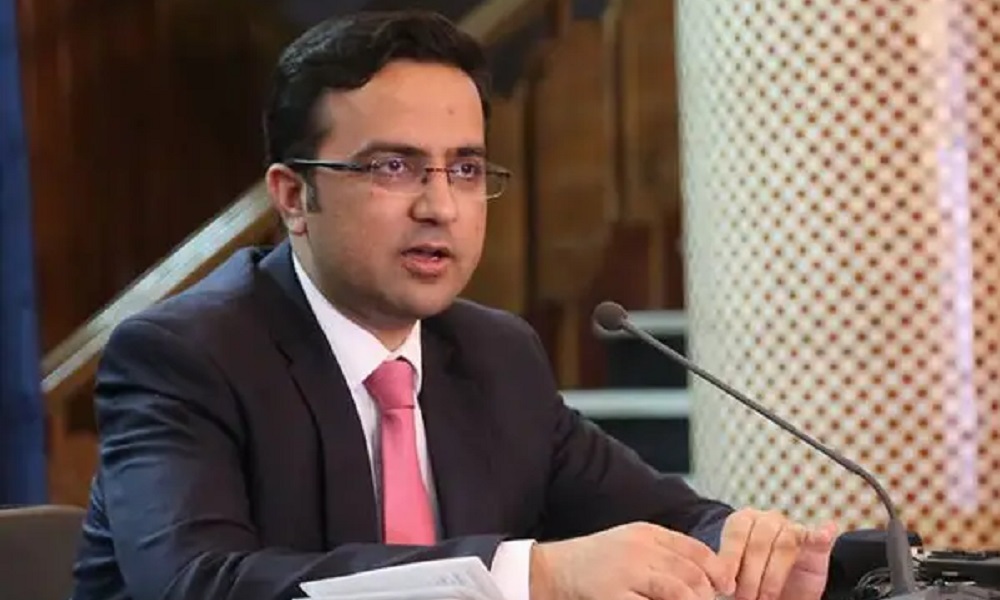
Zabihullah Mujahid, spokesman for the Islamic Emirate of Afghanistan (IEA), on Tuesday denied that IEA authorities detained Mahmood Shah Habibi, an Afghan-American businessman the US claims disappeared in Kabul four years ago.
“We have no information about Mahmood Shah Habibi. He is not with the Islamic Emirate of Afghanistan. If he were, this issue would have been resolved long ago,” Mujahid said.
His remarks came a day after the FBI marked the fourth anniversary of Habibi’s disappearance and renewed its appeal for information about his whereabouts.
According to the FBI, Habibi disappeared near his home in Kabul on August 10, 2022. At the time, he was working as a consultant for Asia Consultancy Group, a Kabul-based telecommunications company. He had previously served as Afghanistan’s director of civil aviation.
The FBI has alleged that Habibi was detained by the IEA’s General Directorate of Intelligence.
The FBI has continued its investigation and in 2025 released a missing-persons poster for Habibi. The U.S. State Department has also offered a reward of up to $5 million for information leading to his location, recovery and return.

Afghanistan’s Justice Minister Abdul Hakim Sharei says the reclamation of state-owned land seized by land grabbers is a legal matter and should not be linked to ethnicity, religion or language.
Sharei, who also heads the Commission for the Prevention of Land Grabbing, made the remarks at a meeting with officials and representatives of charitable organizations in Kabul.
He said the commission is legally and religiously obligated to enforce rulings issued by the special court handling cases involving seized state land. Once the court determines that a disputed plot belongs to the state, the commission must enforce the decision, he said.
Sharei said the special court bases its rulings on documents, evidence and the law, adding that legal principles must be applied equally to all parties.
The justice minister also called on charitable organizations to work toward establishing a nationwide union and to expand their activities into fundamental and infrastructure projects.
He urged charities to avoid photographing or filming people while distributing aid, saying such practices could undermine the dignity of those receiving assistance.
Representatives of charitable organizations raised concerns over taxes, customs procedures and lengthy administrative processes. The Ministry of Justice said it would work to address the issues following the establishment of a nationwide union.


IEA denies it is holding Afghan-American Mahmood Shah Habibi

Justice minister rejects claims of ethnic, religious bias in land reclamation

World has turned its back on Afghan civilians: NRC

Trump took secret flight out of Turkey due to Iran threat, the Washington Post reports

More than 100 killed after strongest quake this century hits western Colombia

Pakistan’s governance system has ‘collapsed’: Mohsin Naqvi

India offers 1,000 online scholarships for Afghan students for 2026-27 academic year

FIFA’s inaugural YouTube Creator Cup to stream live on Ariana Television and Ariana Sport YouTube channels

ATN secures exclusive rights to broadcast Afghanistan vs Ireland cricket tour

Spain sweep FIFA World Cup player awards after historic triumph

Tahawol: Iran’s acknowledgment of Afghanistan’s cooperation discussed

Saar: Five years of Islamic Emirate rule in Afghanistan reviewed

Tahawol: Afghanistan: An Alternative to the Strait of Hormuz?

Saar: Pakistan-Saudi-Turkey Pact: Regional Impact

Tahawol: Escalating disputes over Iran war discussed
-

 Sport2 days ago
Afghanistan secure direct qualification for 2027 Men’s ODI World Cup
-
 Regional3 days ago
Goods transporters to go on strike from Saturday after talks with Pakistan govt fail
-

 Sport3 days ago
Rashid Khan takes six as Afghanistan thrash Ireland by 92 runs
-
 Business5 days ago
Uzbekistan’s Fergana region strengthens economic ties with Afghanistan
-

 World3 days ago
US Senate passes Russia sanctions championed by Graham; US House next
-
 Latest News2 days ago
Pakistan-backed armed groups in Balochistan using former Afghan government forces: report
-
 Sport4 days ago
Afghanistan ends continental futsal championship with dominant win over New Zealand
-
 Latest News5 days ago
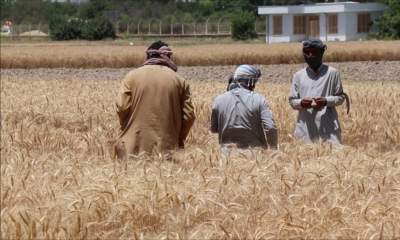
FAO appeals for $38 million to safeguard Afghanistan’s 2027 wheat harvest