
Business
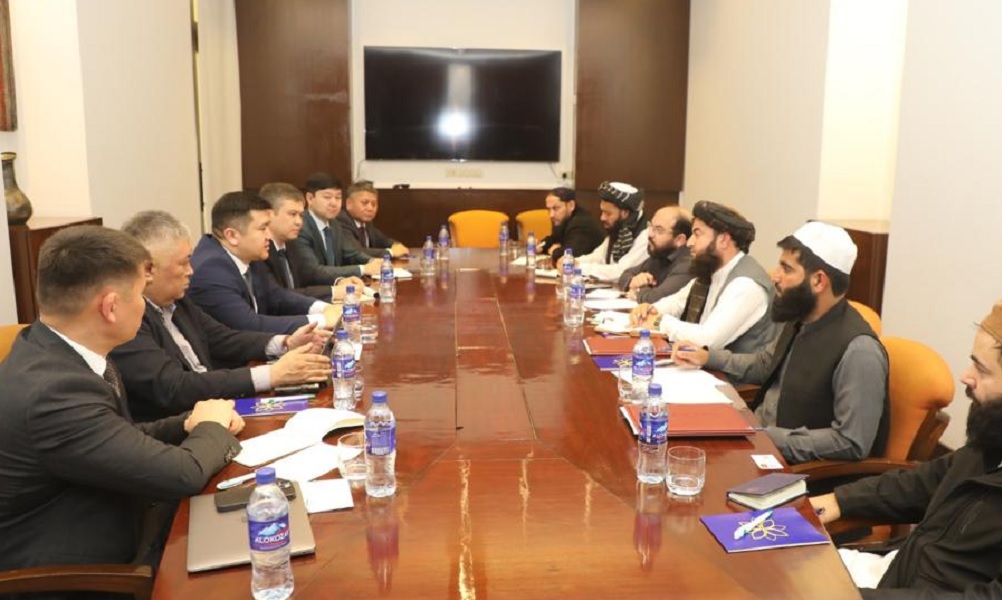
Afghanistan-Kazakhstan banking ties discussed in Kabul meeting







Business
UAE firm eyes investment in Salang’s second tunnel and pharmaceutical factories
The proposals will be submitted to the Inter-Ministerial Investment Committee for further review and discussion.
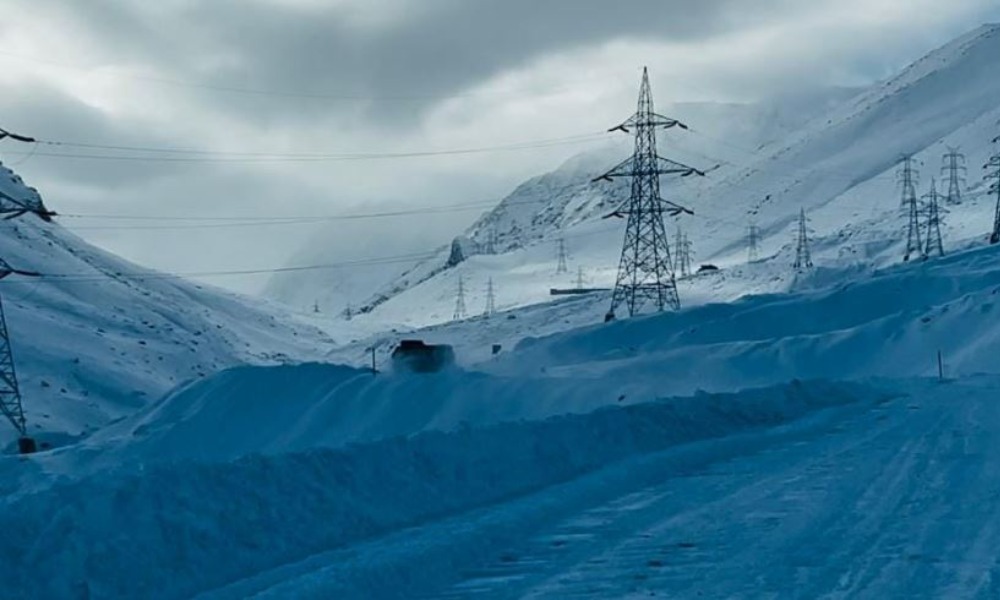
A United Arab Emirates-based company, HHM Global Industry Group, has expressed interest in investing in the construction of the second Salang Tunnel and establishing pharmaceutical factories in Afghanistan.
The issue was discussed at a regular meeting of the Inter-Ministerial Investment Committee, held on September 8, 2026, at the Marble Palace under the Economic Deputy Office of the Prime Minister’s Office.
The committee welcomed the company’s interest in investing in Afghanistan and assured its representatives that the relevant ministries and government agencies are prepared to provide comprehensive cooperation.
Following extensive discussions, company officials were asked to prepare detailed investment proposals for the construction of the second Salang Tunnel, pharmaceutical manufacturing facilities, as well as other potential investment projects.
The proposals will be submitted to the Inter-Ministerial Investment Committee for further review and discussion.
If implemented, the proposed investments could contribute to the development of Afghanistan’s transport infrastructure and strengthen domestic pharmaceutical production.
Business
Saudi energy group signs major Afghanistan deals covering gas exploration and pipeline plans
The agreements cover exploration across the Kushk and Tirpul contract area in Herat, spanning approximately 23,317 square kilometers.
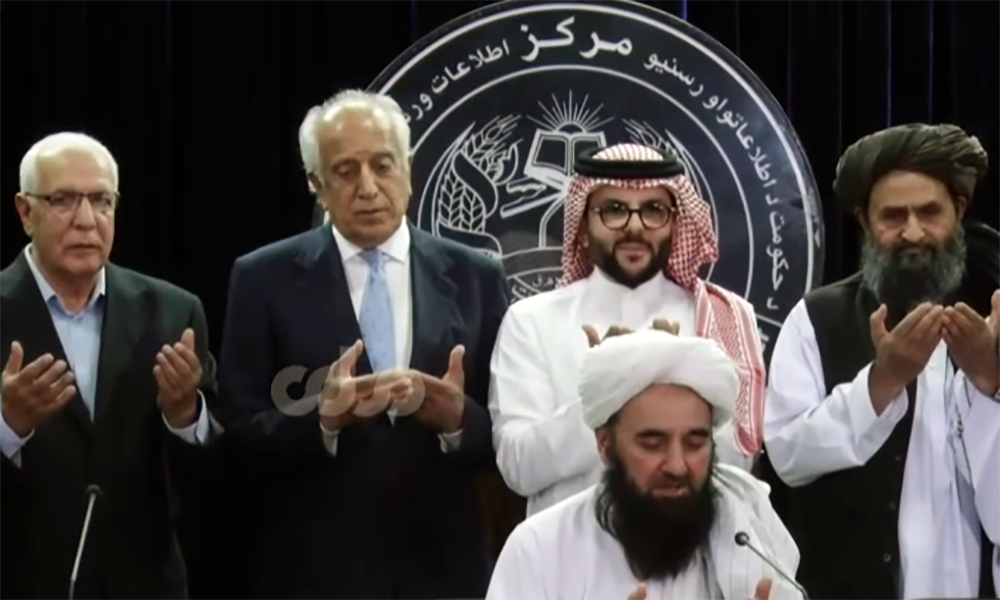
Saudi Arabia’s Delta Energy Group has signed a series of agreements with Afghanistan’s Ministry of Mines and Petroleum covering hydrocarbon exploration, natural gas utilization in Herat and a proposed regional gas pipeline.
According to a statement issued by Delta Energy on September 6, the agreements cover exploration across the Kushk and Tirpul contract area in Herat, spanning approximately 23,317 square kilometers.
Under the agreements, Delta Energy will conduct geological and geophysical studies, seismic surveys, exploration drilling and reservoir evaluations to determine the scale and commercial potential of Afghanistan’s hydrocarbon resources.
The company will also finance a study on the utilization of natural gas for Herat Industrial Park, Herat city and other approved areas, including potential applications in industry and power generation.
A separate agreement provides a framework to assess the proposed 700-kilometre CentGas “Corridor of Prosperity” pipeline, which would potentially connect a gas receipt point near Guzara district in Herat with a delivery point near Spin Boldak in Kandahar.
Delta Energy estimates the proposed pipeline could require about $10 billion in investment over 10 years, subject to technical and economic feasibility, financing, regulatory approvals and a final investment decision.
The company said the broader integrated programme could represent tens of billions of dollars in potential investment over the coming years, covering exploration, field development, gas utilization and related infrastructure. However, all subsequent phases will depend on exploration results, commercial viability, financing and required approvals.
Sheikh Badr Mohammed Al-Aiban, chairman of Delta International Holding Group, said the project was more than an oil and gas investment, describing it as an opportunity to develop an integrated energy ecosystem that could create jobs, support industry and improve regional connectivity.
Afghanistan’s Minister of Mines and Petroleum, Hidayatullah Badri, welcomed the agreements, saying cooperation with Delta Energy could help advance exploration of the country’s hydrocarbon resources, strengthen energy security and support economic activity.
Business
Imam Abu Hanifa exhibition to draw exhibitors from more than 20 countries
Representatives from more than 20 countries are expected to attend, including Russia, India, Türkiye and Japan.
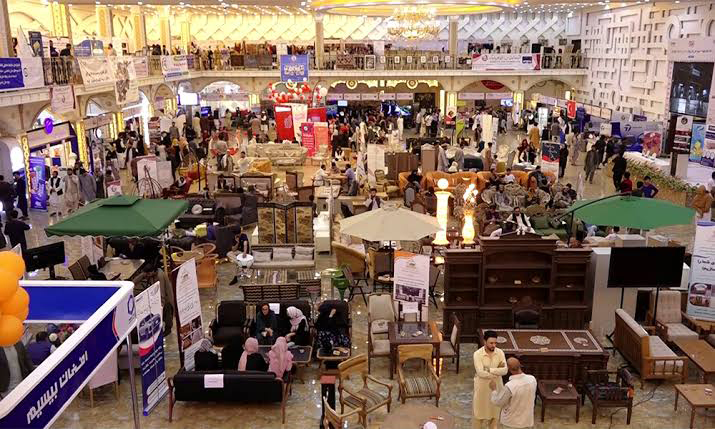
The fifth Imam Abu Hanifa National and International Exhibition will be held in Kabul from October 7 to 13, the Afghanistan Chamber of Commerce and Investment (ACCI) says.
Representatives from more than 20 countries are expected to attend, including Russia, India, Türkiye and Japan.
Ahmad Shakil Hazim, ACCI’s Deputy for Policy and Technical Affairs, said the exhibition would give traders, investors and producers an opportunity to showcase their products and expand business ties with international markets.
Economic experts say international trade exhibitions can strengthen commercial relations between Afghan and foreign businesses and help attract investment.
The fourth edition of the exhibition was held in Kabul last year, with officials saying trade agreements and contracts worth more than $700 million were signed between Afghan and foreign traders on the sidelines of the event.


Abu Muslim Farah beat Sarsabz Yashlar 3–0 in sixth season of ACL opener

Pakistan: Afghan students with valid visas can complete their education

Saar: UN reaffirming support for Afghanistan discussed

Acting Afghan ambassador meets Malaysian House Speaker over bilateral ties

Baradar discusses expanding economic and trade ties with Turkish envoy

Four mediators struggle to secure lasting Pakistan-Afghanistan ceasefire

HesabPay unveils new visa card and digital payment app in Kabul

AFC Champions League Elite draw nears as Al-Nassr seeded above Al-Hilal

Juma Khan Fateh surrenders to IEA forces in Badakhshan

Afghanistan’s trade diversification challenges Pakistan
Saar: UN reaffirming support for Afghanistan discussed

Saar: Pakistan’s decision to expel Afghan medical students discussed

Tahawol: Victory of Germany’s far-right party in state election discussed

Saar: UN Human Rights Council meeting on Afghanistan reviewed

Tahawol: Possible future scenarios for Ukraine crisis
-
 Business4 days ago
Saudi energy group signs major Afghanistan deals covering gas exploration and pipeline plans
-
 Latest News4 days ago
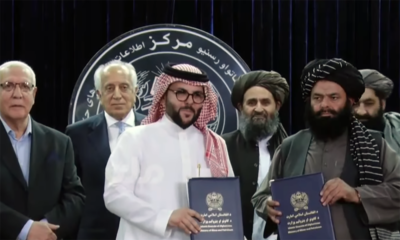
Khalilzad: Afghanistan ready to attract major investment
-
 Latest News5 days ago
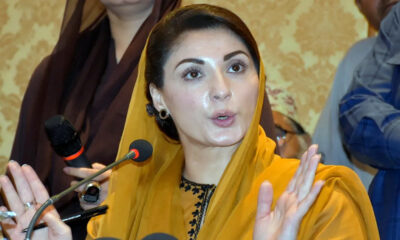
Maryam Nawaz says Punjab faces greater security threats from neighbouring provinces
-
 Latest News3 days ago
Amnesty International condemns Pakistan order requiring Afghan medical students to return
-
 Regional5 days ago
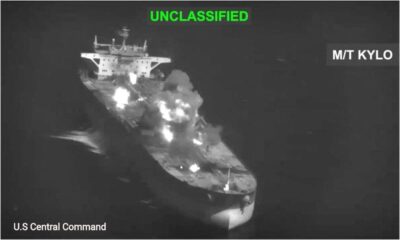
US and Iran exchange fire on vessels near Strait of Hormuz
-
 Latest News2 days ago
Afghan Embassy in Islamabad calls for halt to expulsion of Afghan students
-

 International Sports5 days ago
Messi returns to Inter Miami after Argentina retirement
-
 Business5 days ago
Imam Abu Hanifa exhibition to draw exhibitors from more than 20 countries