


Kabulov's remarks came in response to growing concerns regarding the U.S. military’s presence in the Middle East, particularly amid rising tensions with Iran.
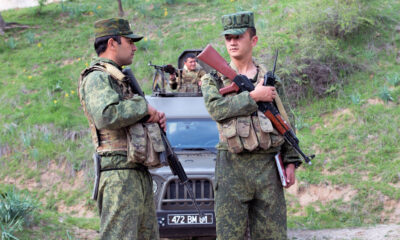

Earlier this month, Tajik lawmakers approved a $57 million deal for China to finance and build nine new border posts, underscoring Beijing’s expanding role in regional...
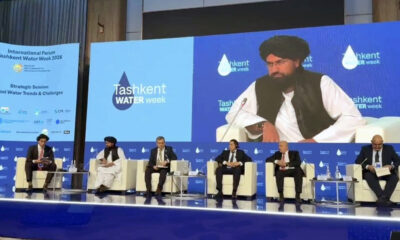

Speaking at the event, Mujeeb-ur-Rahman Omar Akhundzada emphasized the need for equitable water distribution between Afghanistan and Central Asian nations.


By the end of the year, the vessels are expected to deliver about 11,700 pipes as part of preparations for construction of the TAPI pipeline.
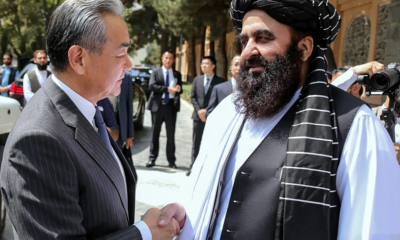

China’s special envoy for Afghanistan is actively shuttling between Kabul and Islamabad to encourage dialogue and reconciliation.
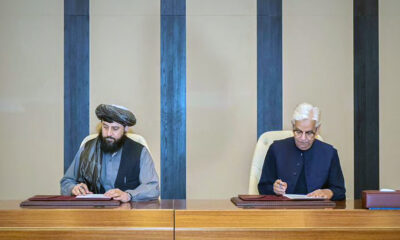

Spokesperson Randeep Jaiswal stated that the incident underscores what India described as Pakistan’s continued aggressive actions in the region.


A transport company is scheduled to move the shipments on Sunday, March 15, along the route that links Afghanistan with Turkmenistan, Azerbaijan, and Georgia before reaching...
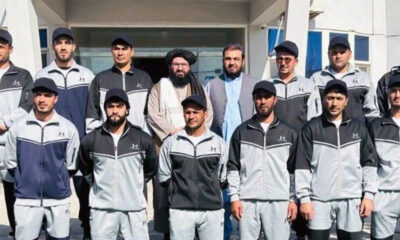

Buzkashi, often considered Afghanistan’s national sport, is a centuries-old Central Asian tradition in which riders compete on horseback to carry a goat or calf carcass to...
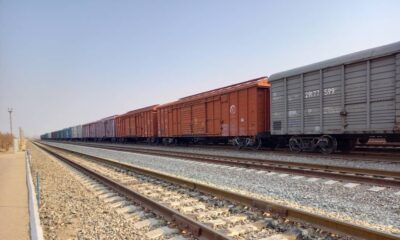

The bulk of cargo passed through the key rail links at Hairatan, Aqina, Torghundi, and the Khawaf–Herat railway connecting Afghanistan with Iran.
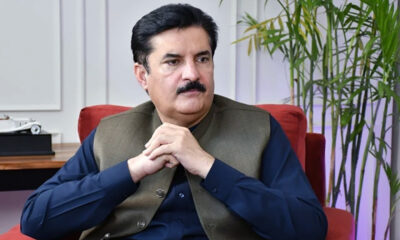

Kundi stated that security in Khyber Pakhtunkhwa is directly affected by conditions in Afghanistan and recalled how past conflicts, including post-Soviet wars and post-9/11 events, fueled...
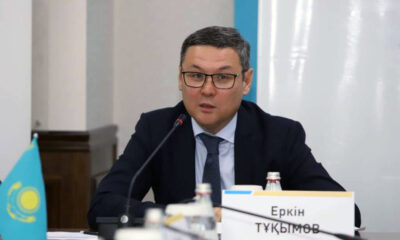

Esmatullah Ergashev, Uzbekistan’s special representative for Afghanistan, noted that Central Asian countries plan to advance joint projects in Afghanistan and further expand regional cooperation.
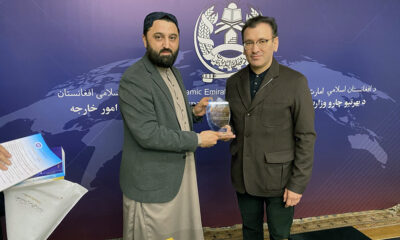

The discussions come amid continued efforts by neighboring countries to maintain pragmatic engagement with Kabul despite ongoing political and economic challenges.
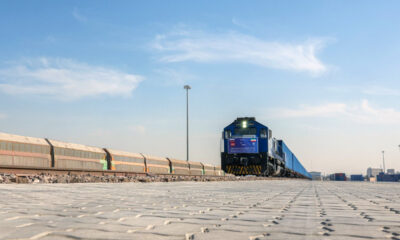

Officials estimate annual traffic on the China–Europe route could rise to 300 trains following regional agreements.
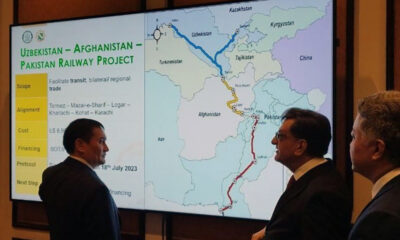

The agreement builds on a tripartite document signed on July 17, 2025, which outlined cooperation on preparing a feasibility study for the Termez–Kharlachi railway corridor.
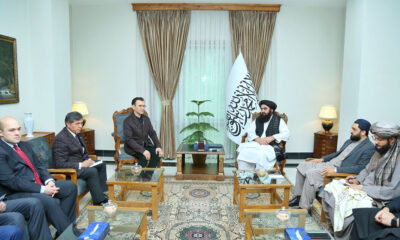

During the meeting, the two sides discussed ways to further strengthen political and economic cooperation, as well as key regional issues.
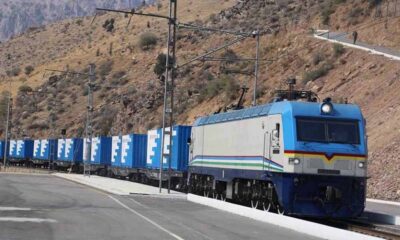

The two sides also agreed to adopt a new format for regular commission meetings to improve coordination and accelerate joint projects.
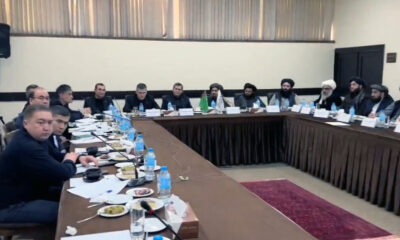

Baradar also urged Turkmenistan to clarify its position on the Torghundi–Herat railway project, noting that Kazakhstan has shown strong interest in its implementation.
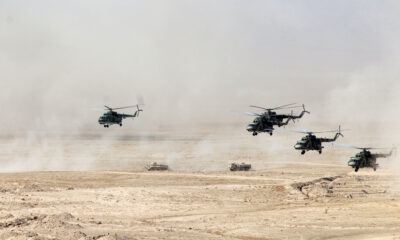

The CSTO, which includes Russia, Belarus, Kazakhstan, Kyrgyzstan, and Tajikistan, has pledged to ensure the region's border security is strengthened in light of the growing instability.
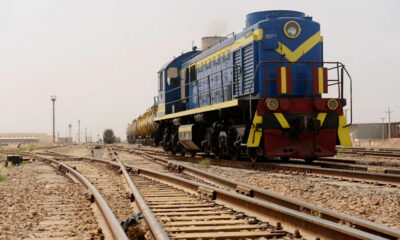

Trade relations remain largely export-driven, with Uzbekistan supplying Afghanistan primarily with food products, energy resources, and industrial goods.
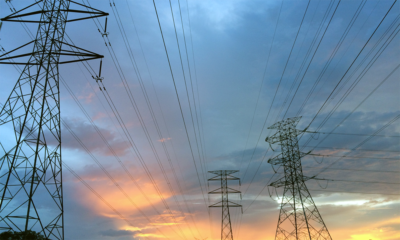

Abdul Bari Omar, chief executive officer of Afghanistan’s national power utility (Breshna), made the announcement following talks with a Turkmen delegation, according to Trend.
| Country | Selling in AFS | |
|---|---|---|
| 1 USD |  | 63.87 |
| 1 EUR |  | 72.60 |
| 1 PND |  | 83.62 |
| 1 AED |  | 16.65 |
| 1 TRY |  | 1.40 |
| 1000 INR |  | 665 |
| 1000 IRR |  | 0.43 |
| 1000 PKR |  | 224 |


