
Health
Over 200 health centers close across Afghanistan due to donor funding cuts: WHO


More than 200 humanitarian health centers across Afghanistan have been forced to shut down due to a halt in international aid, severely disrupting healthcare services for over 1.8 million people in 28 provinces, the World Health Organization (WHO) reported in its March update.
According to the WHO, as of March 25, 2025, a total of 202 health facilities have either been suspended or closed following the cuts in funding provided by humanitarian partners.
The closures include 108 mobile health and nutrition teams, 33 family health clinics, 20 basic health centers, 22 sub-health centers, and 19 other health facilities.
The organization warns that if funding gaps persist, up to 80% of WHO-supported health facilities in Afghanistan could face closure by June 2025, putting millions more at risk of losing access to essential healthcare services.
“The disruption is expected to impact around 1.8 million individuals in 28 of Afghanistan’s 34 provinces,” the report stated.
It also highlighted that the number of suspended or closed centers may change weekly depending on the availability of donor funding.
WHO has urgently appealed to international donors to support the restoration of critical health services and help prevent further deterioration of the public health situation in Afghanistan.
Meanwhile, officials from the Islamic Emirate of Afghanistan have consistently emphasized that humanitarian aid should not be politicized, and have reiterated that the Afghan
population remains in dire need of humanitarian assistance.
This recent wave of closures follows a previous shutdown of 167 health facilities in 25 provinces, which had already cut off access to vital healthcare for 1.6 million people due to similar funding shortfalls.








Health
WHO calls for greater mental health support in Afghanistan
World Mental Health Day is observed annually on October 10 to raise awareness of mental health challenges, reduce stigma and encourage access to appropriate care and support.
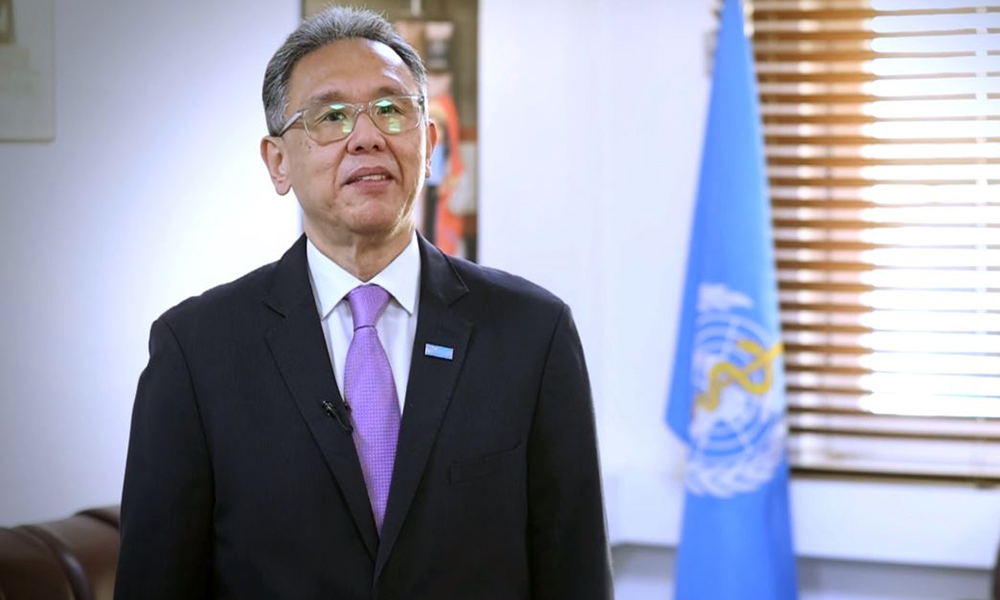
The World Health Organization (WHO) has called for greater attention to mental health care in Afghanistan, warning that many Afghans are experiencing psychological distress due to the loss of loved ones and the challenges of daily life.
Dr. Edwin Ceniza Salvador, the WHO representative in Afghanistan, made the remarks on Saturday, October 10, marking World Mental Health Day. He emphasized that mental health deserves the same level of attention as physical health and urged people experiencing psychological difficulties to seek support and recognize that they are not alone.
Salvador said that listening with empathy and without judgment, supporting one another and speaking openly about mental health issues can help build stronger families and healthier communities.
Highlighting this year’s World Mental Health Day theme, “Mental health in humanitarian emergencies,” he stressed the importance of listening to people’s personal experiences and ensuring their concerns and needs are heard.
He also called on Afghans to show greater compassion, support those facing emotional and psychological challenges, and strengthen community solidarity so that no one is left without care or assistance.
World Mental Health Day is observed annually on October 10 to raise awareness of mental health challenges, reduce stigma and encourage access to appropriate care and support.
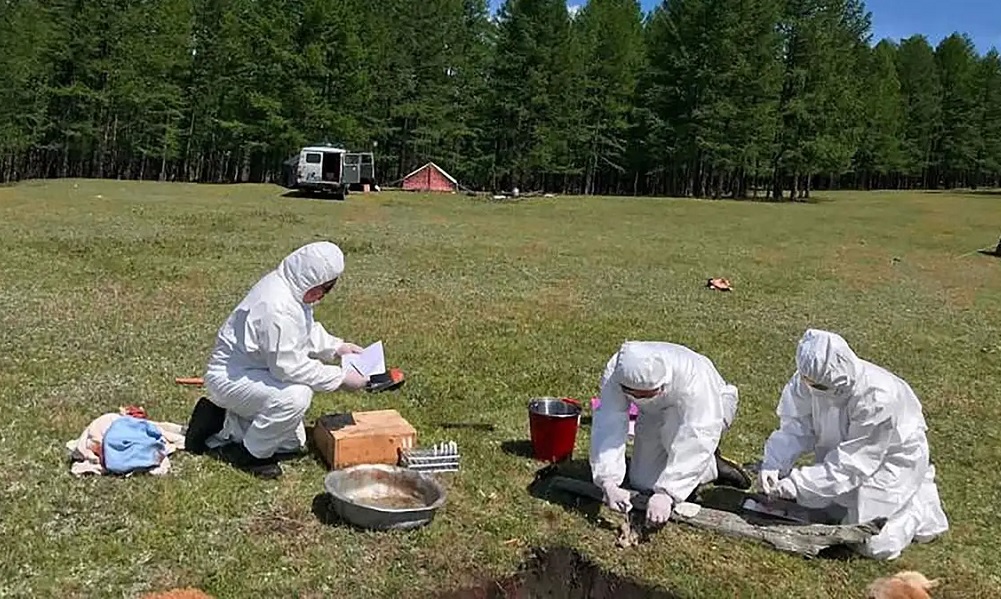
President Donald Trump says the United States is ready to help Russia after reports of a suspected pneumonic plague case in Siberia, as authorities monitor nearly 200 people who may have come into contact with the woman who died.
The woman, a laboratory worker at the Irkutsk Anti-Plague Research Institute, identified in reports as 28-year-old Darya Shipilova, became seriously ill while working at the institute and later died in hospital.
Reports initially suggested she may have been exposed to plague bacteria following an incident at the laboratory. However, Russian health authorities have rejected that account and said she died from pneumonia of unknown origin.
Officials said testing had not detected microorganisms associated with her professional activities and that there was no confirmed laboratory accident involving dangerous pathogens.
As a precaution, authorities have placed people who may have had contact with the woman under medical observation. Five hospitals in the region have also been placed under quarantine measures.
No additional cases of plague have been confirmed, and officials have said those under observation are not showing symptoms associated with the disease.
Pneumonic plague is a severe form of plague that affects the lungs and can spread between people through respiratory droplets. It can, however, be treated with antibiotics when treatment begins promptly.
Trump offers US assistance
The reports have also drawn attention in Washington.
Trump said the United States was closely monitoring the situation and was prepared to assist Russia.
“We’re looking at it very strongly, we just heard about it,” Trump told reporters when asked about the reported risk of pneumonic plague coming from Russia.
“We’ll help them, we’ll help them as much as we can,” he said.
Trump also said he had not spoken with Russian President Vladimir Putin about the reported case.
US Secretary of State Marco Rubio said Washington was monitoring developments but indicated there was no immediate cause for alarm. The US State Department said it was coordinating with the Centers for Disease Control and Prevention and other agencies.
No confirmed outbreak
Despite reports describing the incident as a plague outbreak, Russian authorities have not confirmed a wider outbreak of pneumonic plague.
The cause of the laboratory worker’s illness remains a key point of uncertainty. Russian officials maintain that she died from pneumonia of unknown origin and that tests have not established a connection to plague bacteria.
The monitoring and quarantine measures are precautionary and are intended to identify any potential infections while the investigation continues.
Nearly 200 people are being monitored — but there are currently no confirmed cases of pneumonic plague among them.
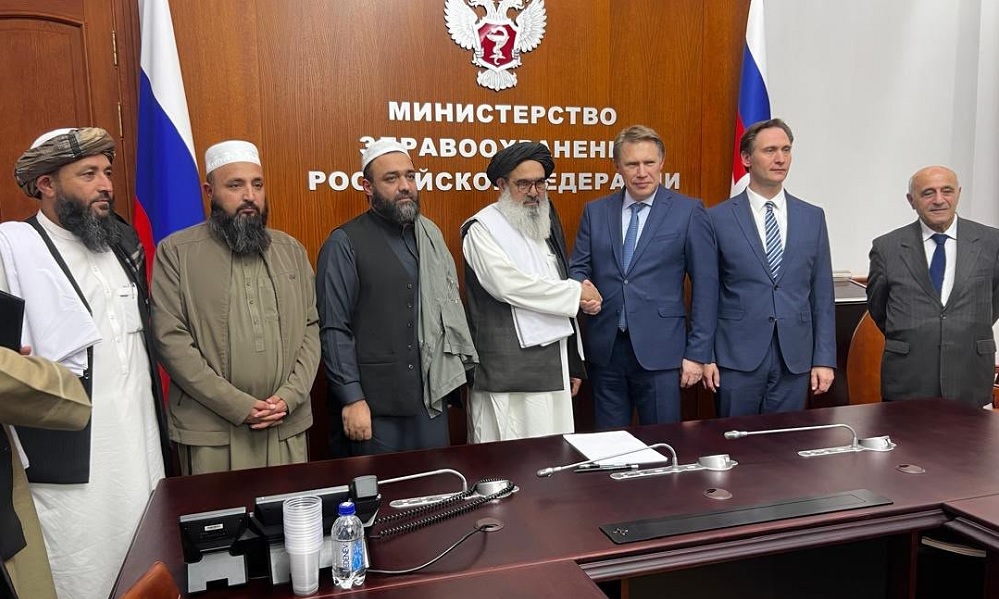
Noor Jalal Jalali, Minister of Public Health of Afghanistan, met with Russian Health Minister Mikhail Albertovich Murashko during his official visit to Russia.
The two sides discussed expanding long-term health cooperation between Afghanistan and Russia, including medicines, vaccines, medical equipment, health-worker training and the transfer of modern medical technologies, Afghanistan’s Public Health Ministry said in a statement.
Jalali briefed his Russian counterpart on the needs and priorities of Afghanistan’s health sector and called for greater Russian cooperation to improve the quality of health services, strengthen the professional capacity of health workers and develop modern medical facilities.
Murashko expressed Russia’s readiness to expand technical cooperation with Afghanistan and support efforts to strengthen the country’s health sector.


Tahawol: EU appointing new envoy for Afghanistan

Saar: Pakistan’s political, security and economic crises

Bangladesh take 329-run lead against Afghanistan in one-off Test

Afghanistan Champions League second half to kick off on October 16

Karzai calls for reopening schools and universities to Afghan girls on International Day of the Girl

EU and FAO launch €5m programme to strengthen Afghanistan’s agrifood sector

Cricket Bonanza: Afghanistan set for packed international schedule

Houthi advance in Yemen puts U.S. in a new bind

New warnings reignite debate over AI threat to humanity

UN warns of mounting humanitarian and human rights pressures in Afghanistan
Tahawol: EU appointing new envoy for Afghanistan
Saar: Pakistan’s political, security and economic crises

Saar: Ongoing expulsion of Afghan refugees from Iran and Pakistan discussed

Tahawol: CSTO meeting on Afghanistan reviewed

Saar: Guterres’s talks with Pakistani officials on Afghanistan discussed
-

 Regional3 days ago
Trump says US will not attack Iran before midterm elections in November
-

 Business4 days ago
Baradar opens Fifth Imam Abu Hanifa International Exhibition in Kabul
-

 International Sports5 days ago
Lionel Messi bids tearful farewell to Argentina after 3-0 win over Benin
-

 Business3 days ago
Russia-Afghanistan trade surges 150% in first seven months of 2026
-
 World4 days ago
Denmark says Russia has conducted sabotage attacks against its defense firms
-

 World5 days ago
Vance says Iran must cut enrichment to end war
-

 World3 days ago
Witkoff, Kushner to meet Ukrainians for talks on the war, says US source
-

 Sport3 days ago
Arman FC defeat Istiqlal Kabul 3-2 in thrilling comeback